Scientists examine the antioxidant activity of brewer’s yeast


There has been a growing interest in the beneficial use of probiotics. In a study published in the journal BMC Complementary and Alternative Medicine, researchers found that brewer’s yeast (Saccharomyces cerevisiae) contains probiotic, antioxidant, and antimicrobial properties.

  • In the study, researchers at Bangladesh Council of Scientific and Industrial Research (BCSIR) looked at the potential probiotic, antimicrobial, and antioxidant properties of a strain of brewer’s yeast isolated from fruit.
  • Brewer’s yeast was found to be tolerant to different temperatures and pH, high concentration of bile salt and sodium chloride (NaCl), gastric juice, intestinal environment, alpha-amylase, trypsin, and lysozyme.
  • It has the ability to produce organic acid and exhibited resistance against drugs, such as tetracycline, ampicillin, gentamycin, penicillin, polymyxin B and nalidixic acid.
  • It can absorb cholesterol and can produce killer toxin, vitamin B12, glutathione, siderophore, and strong biofilm.
  • It showed moderate auto-aggregation ability and cell surface hydrophobicity, which are essential properties of probiotics.
  • Brewer’s yeast can also produce enzymes, such as amylase, protease, lipase, cellulose, that improve nutrient utilization in the gut.
  • The isolate exhibited better antibacterial activity against gram-negative bacteria than gram-positive.
  • It also demonstrated powerful antioxidant activity, reducing power, nitric oxide and hydroxyl radical scavenging activity, significant brine shrimp cytotoxicity and acute toxicity, and metal ion chelating activity.
  • Toxicity tests revealed that it is safe to be used for human patients.
  • In treated mice, the isolate improved lymphocyte proliferation and cytokine production.

Garlic Extract

garlic extract

English name: Garlic Extract
Latin: Allium sativum L
Traits: light yellow fine powder
Specifications: Garlic 2.0% 1.2% 1.0% 0.8% 0.6% Min (sulfur method)
Extraction ratio: 10:1, 100:1
Mesh aperture: 80 mesh
Plant source: bulb of Allium Sativum L., Liliaceae plant, onion A.fistulosum L. bulb.
Packing: 25 kg / cardboard drum
Shelf life: 24 months
Garlic extract details
Introduction to garlic
Garlic, perennial herb, Liliaceae allium. The underground bulbs are divided into five parts, which are divided into purple and white skins according to their skin color. Spicy, pungent, edible or seasoning, can also be used as medicine. When the garlic was planted in the Western Han Dynasty, it was introduced into China from the Western Region, and it was popular among the public for its artificial cultivation.
Garlic Allium sativum L. (Garlic) belongs to the genus Allium, and is used as a bulb. Harvested in spring and summer, tied, suspended in a ventilated place, dry and spare. Excavate in June when the leaves are dry, remove the sediment, air dry or bake until the outer skin is dry.
Garlic is oblate or short conical, with grayish white or light brown membranous scales on the outside, stripped of scales, with 6 to 10 garlic cloves inside, rounded around the stem of the flower, the base of the stem is disc-shaped, with most fibrous roots. Each garlic clove is covered with a film, and the film is peeled off, that is, white, thick and juicy scales are seen. There is strong garlic smell and spicy taste.
Perennial herb with strong garlic odor. Bulbs large, with 6 to 10 petals, outgage grayish white or lavender in membranous scales. Leaves basal, solid, flat, linear lanceolate, about 2.5 cm wide, base sheathed. The flower stem is erect, about 60 cm high; the bud has a long scorpion, 7 to 10 cm long; the umbel is small and dense, with 1 to 3 sepals, 8 to 10 cm long, membranous, light green; Flowers small, flowers mixed with pale red bead buds, 4 mm long, or completely without buds; stalks thin, longer than flowers; perianth 6, pink, elliptic-lanceolate; stamens 6, white, anthers prominent; pistils 1, style prominent, white, ovate upper, oblong-ovate, apex concave, 3-loculed. Capsule, 1 room cracking. Seed black. Flowering summer.
Garlic chemical composition
The nutrients such as carbohydrates, protein and trace elements in garlic account for about 15% of the weight, crude fiber accounts for 15%, and water accounts for about 70%, of which garlic oil accounts for 0.24%-0.3%. The fresh stem contains about 2% of volatile oil. The main component of the oil is allicin, 2-propene-1-Sulfinothioic acid, S-2-propenyl ester [539-86-6]; C6H10OS2; molecular weight is 162.27; yellow liquid It has a smell of garlic; its solubility in water is 2.5% (10°), it is miscible with ethanol, ether and benzene; it is unstable to hot alkali and stable to acid), and it is a phytoncide. In addition, it also contains trace amounts of iodine. Garlicin is a colorless oily liquid with a unique irritating strong smell. The odor is the same as that of garlic. It is unstable and its solution can be ineffective when exposed to heat or alkali, but it is not affected by dilute acid. There is no garlic in fresh garlic, but there is a colorless and odorless sulfur-containing amino acid called allionine (alltin, C6H11O3NS). This acid is decomposed by garlic enzyme (allinase) in garlic to produce garlic and two Diallyl disulfide.
Allicin (diallyl sulfide [(CH2=CHCH2)2S3]) is a highly unstable organic sulfide which is easily degraded and almost completely decomposed after 20 hours at room temperature (20 ° C). . Allicin is very unstable, so it is very difficult to extract and preserve allicin. At present, the method for extracting allicin is mainly steam distillation, solvent leaching and supercritical CO2 (CSF-CO2) extraction. The first two methods have low extraction rate and purity of allicin, among which supercritical extraction Allicin has the best stability, the highest yield and the best quality. The extraction rate can reach more than 92%, and the purity of allicin is 84%.
The main role of garlic
1. Antibacterial broad-spectrum, strong antibacterial. Allicin has a strong killing effect on Gram-positive bacteria and Gram-negative bacteria, and can effectively inhibit the occurrence of long-standing diseases in fish and livestock.
2. Seasoning and attracting food to improve feed quality. It has a strong and pure smell of garlic and can replace other fragrances in the feed. It can improve the odor of feed, stimulate the fish, livestock and poultry to produce a strong attracting effect, so that the appetite is greatly increased, and the feed intake is increased.
3. Enhance immunity and promote healthy growth of livestock, poultry and fish. Adding proper amount of allicin to the feed, the animal’s skin is bright, the body is strong, the disease resistance is enhanced, the feed consumption is reduced, the egg production is increased, and the growth of fish and livestock is promoted, and the survival rate is improved.
4, improve animal quality, add appropriate amount of allicin in the feed, can effectively regulate the formation of stimulating amino acids in the meat, increase the flavor of animal meat or eggs, so that the flavor of animal meat or eggs is more delicious.
5, reduce detoxification, anti-mildew and fresh. The addition of allicin to the feed can have the functions of clearing the temperature, detoxifying, promoting blood circulation and removing stasis, and can significantly reduce the toxicity of harmful substances such as mercury, cyanide and nitrous acid in the feed. It can effectively remove insects, flies, mites, etc., and play a role in protecting the quality of feed and improving the environment inside the livestock and poultry house.
6, non-toxic, no side effects, no drug residues, no drug resistance. Allicin contains natural bactericidal ingredients and is metabolized in the original form of animals. The main characteristics distinguishing them from other antibiotics are non-toxic, no side effects, no drug residues, and no drug resistance. Can be used continuously, and has anti-virus, improve the fertilization rate of eggs.

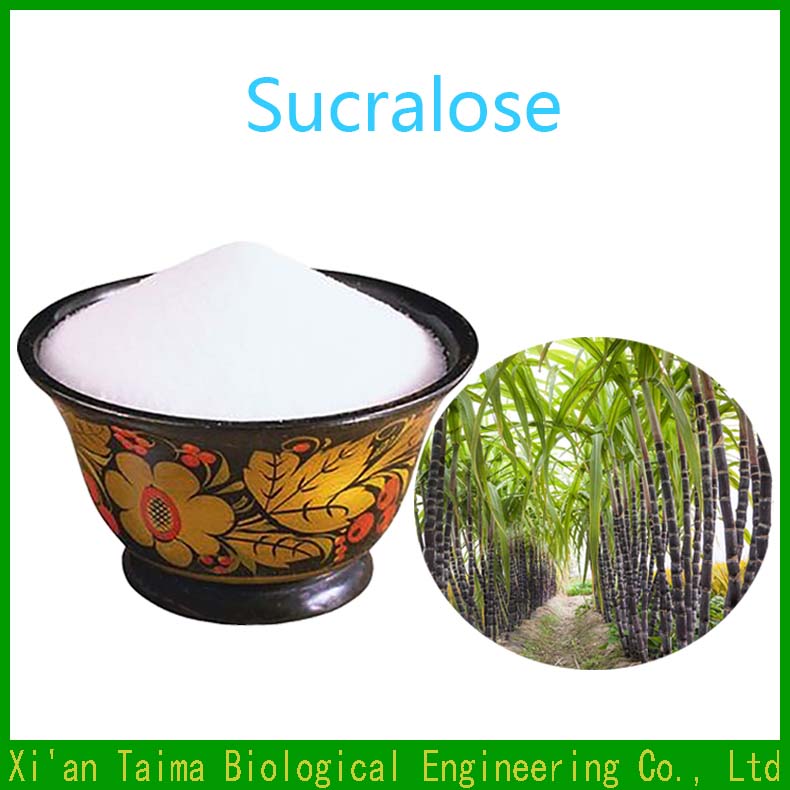
What Is Sucralose? Here’s Everything You Should Know

Often marketed as Splenda, sucralose was approved for food manufacturers to use as a “non-nutritive sweetener” by the Food and Drug Administration (FDA) in 1999.

However, rumor has it that the artificial sweetener was discovered in a lab by scientists who were trying to create a brand new pesticide. Instead they stumbled on a chemical sugar alternative that’s aggressively marketed as an option that tastes like sugar without sugar’s sweet but inherent risks.


And if you’ve been scanning the ingredients on your average box of cookies lately, you’ve probably come across the word sucralose.

So is it a pesticide or a viable sugar alternative? And, more importantly, is it safe to eat something with sucralose in it or to feed it to your kids?

Here’s a look at what the experts say about sucralose’s side effects and whether sucralose is safe.

So what is sucralose?
According to sucralose’s creators, sucralose is made by taking sugar, removing hydrogen–oxygen groups from certain places on the sucrose molecule, and putting chlorine in their place.


Splenda’s official description explains that “this change makes the sucralose molecule much sweeter than sugar, but with none of the calories.” In other words, sucralose makes things taste sweet, but it doesn’t carry nearly the amount of nutrition (or calories) of more traditional sweeteners.


These days, the sugar substitute can be found in everything from soda to baked goods to frozen goodies, and because it’s heat stable—meaning it stays sweet even when brought to high temperatures—sucralose is often used in home cooking, too. In fact, it’s sold on its own in most American supermarkets for use by home cooks.


And when it comes to flavoring beverages and treats, sucralose offers a pretty big bang for your buck. It’s 600 times sweeter than traditional sugar but contains just a small percentage of the calories sugar does, says Sandra Arevalo, director of nutrition services and community outreach at the South Bronx Health Center in New York City.

The Anti-Sugar
Although it’s often dubbed a “low calorie” or “artificial” sweetener, the name sucralose can be confusing. If you took high school French, you might know that the French word for sugar is sucre—which sounds an awful lot like the root word in sucralose. And maybe you remember the original (and long since abandoned) Splenda tagline, “Made from sugar so it tastes like sugar”?

So sucralose just a souped up version of sugar, right? Not exactly.


The big difference between sucralose—or any artificial sweetener—and sugar is the nutritional value, says Lorena Drago, a registered dietitian, spokesperson for the American Association of Diabetes Educators, and founder of Hispanic Foodways, an organization that creates and disseminates culturally and ethnically oriented nutrition and diabetes-education materials.

Sugar is what’s known as a nutritive sweetener because it has both calories and carbohydrates. One teaspoon of sugar, for example, has about 16 calories and 4 grams of carbohydrates. A typical packet of sucralose contains just 1 gram of carbs, and little to no calories, making it a non-nutritive sweetner.

Why Sucralose Is Popular
The importance of the numbers and the allure of sucralose becomes extremely apparent when you look at how much sugar you’re really consuming every day. You don’t have to be dumping spoonfuls of the granulated white stuff into your coffee or sprinkling it on your cereal in the morning to be ingesting more sugar than you should.


In fact, sugars are in almost everything we eat, from pasta sauce to bread.

That’s why the 2015–2020 dietary guidelines from the U.S. Department of Health and Human Services and the U.S. Department of Agriculture focus not just on “sugar” consumption, but on the “added sugar” in our diets. The guidelines recommend consuming less than 10 percent of calories per day from added sugars.

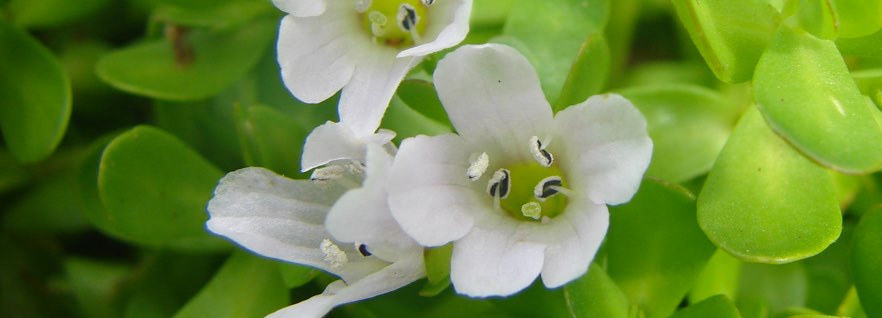
Bacopa monniera extract

Bacopa monniera extract

Bacopa monniera extract

Overview of the extract of the purslane
Product Name: F. oleracea extract
English name: Bacopa monniera extract
Latin name: Bacopa monnieri (L.) Wettst.
Main ingredients: pseudo-dentate saponins
Source of extraction: the whole grass of the genus Scrophulariae Bacopa monnieri (L.) Wettst.
Appearance: brown powder
Detection method: TLC
Application dosage form: capsule, tablet, water
Clinical application: raw materials for medicine and health care products
Specifications: 10% 20%
Packing: cardboard drum
Shelf life: 2 years
F. purslane extract details
Plant morphology
False purslane, a plant of Scrophulariaceae. Rooting on the knot, how much fleshy, hairless, looks like a purslane. Corolla bell-shaped, blue, purple or white. Distributed in the tropics and China’s Fujian, Taiwan and other places. Leaves sessile, oblong-lanceolate, 8-20 mm long, 3-6 mm wide, apically obtuse, rarely dentate. Flowers single-leaved, pedicel 0.5-3.5 cm long, with a pair of small bracts under the armpit; two ovate lanceolates before and after the bracts, the other three lanceolate to strip, ca. 5 mm long; corolla blue , purple or white, 8-10 mm long, not obvious 2 lip, upper lip 2-lobed; stamens 4; stigma capitate. Capsule long ovate, apex acute, enclosed in persistent calyx, 4-cleft. Seeds elliptic, one end flat, yellow-brown, with longitudinal ribs on the surface. The flowering period is from May to October.
Chemical constituents of extracts of Purslane
Containing two crystalline triterpenoid saponins: white flower sow saponins A and B (bacoside A, B), acid hydrolysis to produce glucose, arabinose and four saponins: white flower sow saponins A1, A2, A3 and A4.
F.
Each 100 grams of Portulaca oleracea leaves contains 2.3 grams of protein, 0.5 grams of fat, 3 grams of sugar, 0.7 grams of crude fiber, 85 mg of calcium, 56 mg of phosphorus, 1.5 mg of iron. Carotene 2.23 mg, vitamin BI0. 03 mg, vitamins O. 11 mg, vitamin PP 0.7 mg, vitamin C 23 mg. In addition, it also contains a large amount of norepinephrine, potassium salts and rich citric acid, malic acid, amino acids and alkaloids.
False purslane effect
1. Lishui reduces swelling, lowers blood pressure. Purslane contains a large amount of potassium salt, which has a good effect of reducing water swelling; potassium ions can also directly act on the blood vessel wall to expand the blood vessel wall and prevent the thickening of the arterial wall, thereby reducing The role of blood pressure.
2. Eliminate dust, prevent and cure ulcerated purslane, eliminate venom degeneration and necrosis, prevent lymphatic inflammation and prevent fibrotic changes, prevent the formation of sputum nodules, and have certain curative effect on vitiligo; Contains more carotene, can promote the healing of ulcer disease.
3. Sterilization and anti-inflammatory Purslane has strong inhibitory effect on dysentery bacillus, typhoid bacillus and Escherichia coli, and can be used for adjuvant treatment of various inflammations. It is known as “natural antibiotic”.
4. Prevention and treatment of heart disease Purslane contains a rich Y-3 fatty acid, which can inhibit the production of serum cholesterol and triglyceride in human body, help increase the synthesis of prostaglandins in vascular endothelial cells, and inhibit the formation of thromboxane A2. Decreased blood viscosity, promotes blood vessel dilatation, prevents platelet aggregation, coronary spasm and thrombosis, and thus plays a role in the prevention and treatment of heart disease.

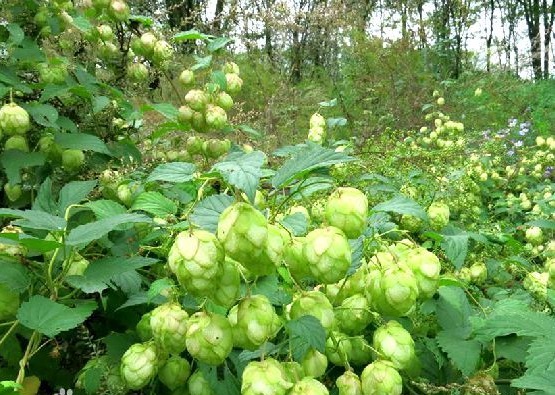
Hop extract & Humulus lupulus Linn extract


1. The source hops, also known as the hops (English common name hop), the snake hops, the hops, the wild hops, are the perennial climbing herbaceous plants of the genus Moraceae, dioecious, and flowery. Female ball spikes are referred to as hops.
2, the main chemical components of hops mainly contain tannic acid components, including chlorfenapyr (also known as hops ketone), avermectone A, isohumulones B, ketones, vesamedione, holding grass Enone-1, polyoxadol, an acid component including hopsone, polyhop ketone, and geranyl, oxalyl, linalool, hop alcohol, rutin, enamel, gall Alkali, etc.
3, health effects, stomach, phlegm and cough, soothe the nerves. For indigestion, insomnia, tuberculosis, pleurisy, leprosy.
(1) Antibacterial effect: Both hopsone and echinones in the female inflorescence of hop can inhibit the action of Gram-positive bacteria and tuberculosis. The hopsone has a good fat solubility, and its inhibitory effect against Gram-positive bacteria or tuberculosis is stronger than acesulfame. The strong inhibitory effect of hop extract on Mycobacterium tuberculosis is often used in the treatment of tuberculosis such as tuberculosis and lymphatic tuberculosis.
(2) Anti-tumor effect: A patent filed in the United States indicates that a product capable of inhibiting the growth of various tumors has been developed. The main functional component of this product is alpha acid and beta acid in hops. Studies have shown that this product is an effective drug for the treatment of malignant tumors such as breast cancer, lymphoma, cervical cancer and other cancer cell growth and metastasis. In particular, hexahydro-β acid not only has anti-cancer and anti-cancer functions, but also improves the dependence of cancer patients on anti-cancer drugs, and solves a major problem in current cancer treatment.
(3) Antioxidation: Studies have shown that hop extract has a good scavenging effect on superoxide anion radicals and has a certain antioxidant effect.

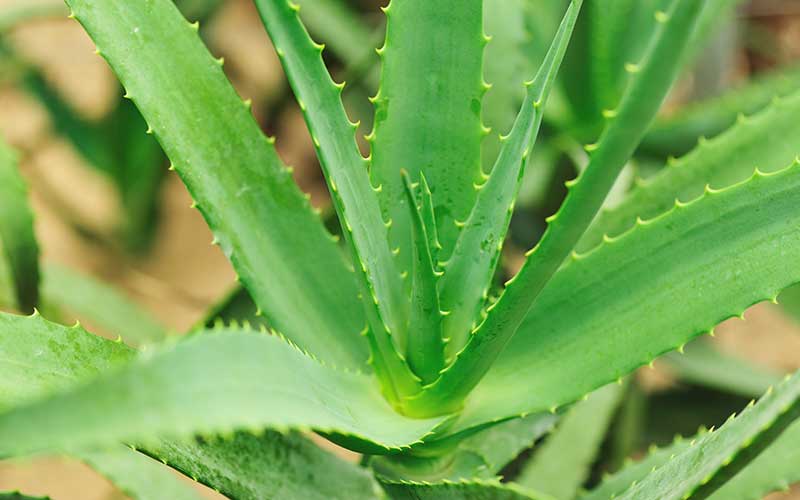
aloe extract


[name] aloe extract
[English] Aloes Extract,
[CAS number] 1415-73-2,
[Source of extraction] It is a concentrated dried product of Liliaceae plant Aloe vera, Cape Aloe vera or Aloe vera leaves. ,
[Specification] 10:1 15:1 Aloe Vera > 10% 20%
[Detection method] HPLC
[Properties] Yellow fine powder
[Items] 100% through 80 mesh
[Chemical composition]: Leaves contain aloe vera (aloin), aloe vera, β-aloe vera, aloe-emodim (aloe-emodim) and aloe vera A, B (aloinoside A, B).
[Sexual taste]: Sexual cold, bitter taste.
[Indications] Clear heat, laxative, insecticide. Treatment of heat and constipation, women with amenorrhea, convulsions in children, convulsions, acne, phlegm, atrophic rhinitis, phlegm.
[Shelf life] Two years
[Packing instructions] Double plastic bag plus cardboard bucket
Aloe Vera Extract Details

Aloe has therapeutic effects such as diarrhea, hemostasis, anti-infection and anti-tumor. According to the ancient medical records of “The Classics of the Scriptures”, the aloe vera cures children’s stagnation, and it is not the case. Aloe vera contains aloe-emodin, which is resistant to pathogenic microorganisms. Angelica Aloe Pill has a certain effect in the treatment of chronic myeloid leukemia. According to foreign literature reports, aloe extract can promote the damage and healing of damaged tissues, including X-ray burns, as well as pharmacological effects such as detoxification, hypolipidemic, anti-atherosclerosis, and recovery of experimental anemia hematopoietic function.
Aloe species

(1) Aloe barbadensis Mill., also known as Aloe vera, Aloe vera Mill., which is called Aloe Vera in the market. It is the most commonly used medicinal aloe. This aloe has a high economic value.
(2) Chinese aloe vera [Aloe vera var chinesis (haw.) Berg.], also known as Chinese aloe vera, striped aloe vera, which can be both human and edible, has a high development and utilization value. It is mainly distributed in South China, with large-scale planting and sporadic wild plants.
(3) Aloe aeboresens Mill. (Aloe aeboresens Mill.), also known as wood sword aloe, antler aloe, tree aloe, wood aloe, this aloe is introduced in the northeastern region of China and North China.
(4) Aloe ferox Mill., also known as Cape Aloe, Cape Aloe, African Aloe, is mainly grown in the southern part of Africa.

Aloe extract main ingredients and properties

From the chemical composition, it is known that aloe contains more than 160 kinds of chemical components, and there are no more than 100 kinds of components having pharmacological activity and biological activity. However, in terms of its particularity and efficacy, it is mainly divided into two categories.

(1) terpenoids
Including aloe vera, aloe-emodin, aloe-hormone, aloe saponin, aloe vera. Dozens of aloe vera, aloemycin, and post-monat aloe are the active ingredients in aloe, mainly in the outer part of aloe leaves.

(2) Aloe polysaccharide
The polysaccharide of aloe vera is mainly found in the gel part of aloe leaves, which is a transparent sticky part surrounded by leaf skin. At present, acetaminophen, glucomannan, arabino-galactan, etc. have been detected, and the molecular structure, composition and relative molecular weight of aloe polysaccharides are related to aloe varieties, growth environment and growth period.

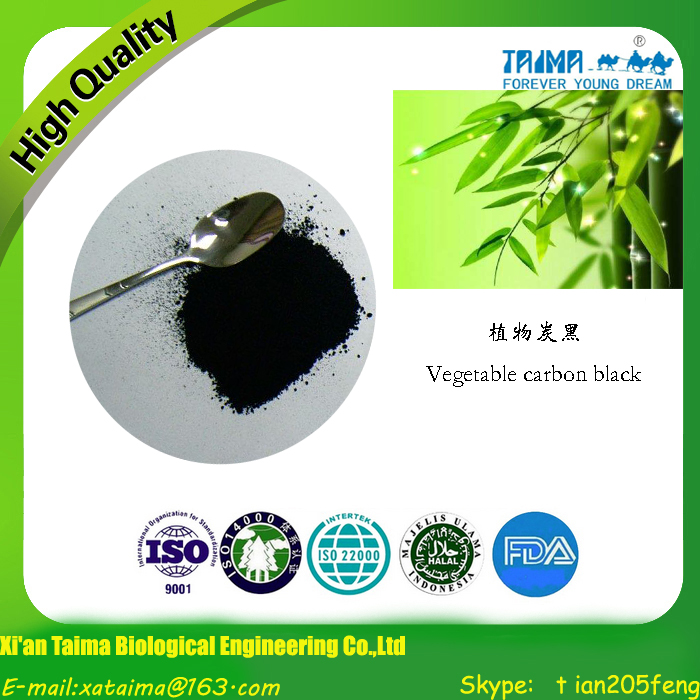
Vegetable carbon black


Product Name: Vegetable carbon black 

Other Names: Vegetable black, Vegetable carbon, carbon black

CAS No.: 1333-86-4

MF: C

MW: 12.01

Appearance: Dark black fine powder

Odor:  Odorless

Detection Method: HPLC

Purity: ≥99%

Boiling Point: Ca. 4200 °C

Melting Point: Sublimates at 3652 and 3697 °C

Water Solubility: Insoluble

EINECS No.: 215-609-9

Grade:

  1. N220/N330/N550/N660 etc.

N220

Wear and the anti-cracking N110 compared with high, set out low stress, dispersivity is good.

  1. N330

It with good abrasion resistance and medium hysteresis.

  1. N550

It in soft carbon black varieties has the best reinforcing performance, excellent extruding performance, low resilient rate.

  1. N660

It compared with N550, reinforcing the gender is low, the structure is lower, higher inflation, mouth filling quantity is bigger.

Shelf Life: 2 years

Package: 1kg per bag with double plastic inside and aluminium foil bag outside, or 25kg per fibre drum with double plastic bag inside, or according to customers’ requirement.

Storage: Store in cool and dry place. Keep away from strong light and heat.

Product Description:

Vegetable carbon is known as vegetable black, carbon black, or carbo medicinalis vegetabilis. It is an insoluble black food colouring used in confectionery products, icing, baked goods and ice cream. European and Canadian authorities approve its use as a color additive.

Vegetable carbon is produced through steam activation (charring) of vegetable fibers. The raw materials include peat, nut shells, wood and cellulose residues. Manufacturers ground the activated vegetable source into very small particles before adding glucose or glycerin for ease of use in food. The black pigments are very stable to heat, light and pH range. Suppliers offer forms for both lipid and aqueous applications as a suspension.

Advantages:

  1. high blackness ,good polish.
  2. high tinting strength,  easy to disperse.
  3. excellent chemical stability.
  4. good viscosity and fluidity.

Functions:

  1. It can absorb harmful substances, and excreted.
  2. It can regulate diarrhea caused by the symptoms do not adapt.
    3.It suppress fecal odor.
    4. It provide intestinal weak acid bacteria proliferation, and reduce harmful bacteria.
    5. It provide negative ions that can suppress the production of reactive enzymes, one of the causes of illness.

Applications:

Using in rubber industry, painting, printing ink, NI-MH battery’s cathode and other industry.

  1. Silicon Rubber: Improves silicon rubber’s durability, rebound rate, and anti-distortion performance.
    2. Plastics Industry:Improves plastic s tenacity, strength and prevents water absorption.
    3. Coating Industry:Prevents agglomeration and drip. Thixotropic additives. Increase denseness and smoothness of paint.
    4. Medicine Industry: Increase denseness, floating , carrying function in medicine. It also can be used as the pesticide powder and anti-agglomeration, etc.

Delivery Time: within 3 -7 days after receiving payments.

Shipping Details: DHL, TNT, FEDEX or EMS.

Payment Terms: T/T, West Union, Paypal and Escrow service.

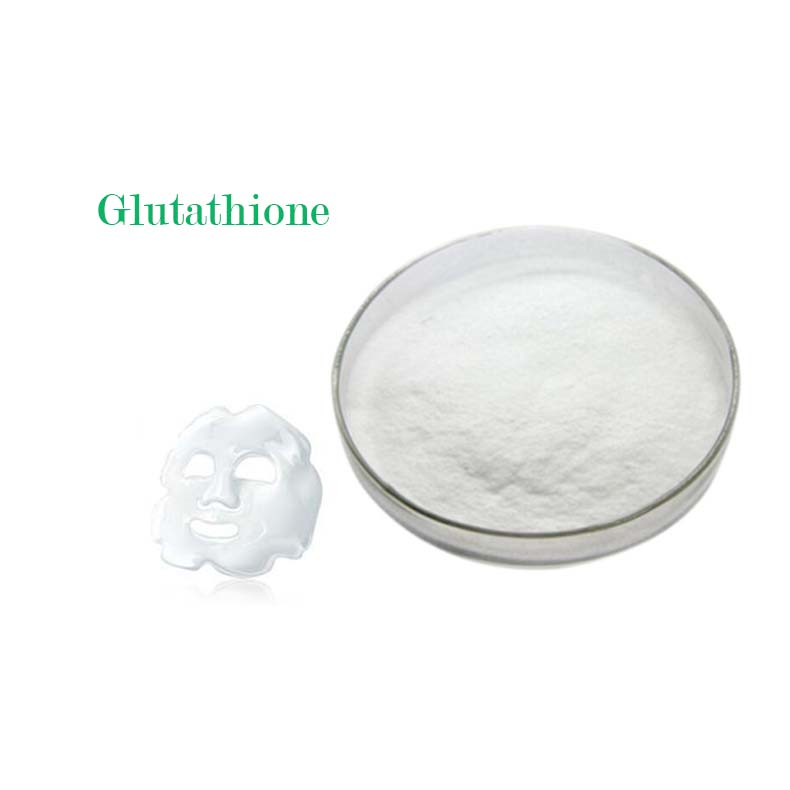
Glutathione (GSH) is a tripeptide that contains an unusual peptide linkage between the amine group of cysteine

Glutathione

Product Name: Glutathione

Chemical Name: L-Glutathione(GSH)

CAS No.: 70-18-8

MF: C10H17N3O6S

MW: 307.32348

Appearance: White crystalline powder

Oder: Odorless

Detection Method: HPLC

Purity: 98%

Water Solubility: Soluble in water and slightly soluble in ethanol and dichloromethane

Melting Point: 189°C~193°C

Specific Rotation: -15.5o~-17.5o

EINECS No.: 200-725-4

Specification: ≥98%

Shelf Life: Two years

Package: 1kg per bag with double plastic inside and aluminium foil bag outside, or 25kg per fibre drum with double plastic bag inside, or according to customers’ requirement.

Storage: Store in a cool & dry area, keep away from the direct light and heat.

Product Description:

Glutathione (GSH) is a tripeptide that contains an unusual peptide linkage between the amine group of cysteine(which is attached by normal peptide linkage to a glycine) .

Thiol groups are reducing agents, existing at a concentration of approximately 5mM in animal cells. Glutathione reduces disulfide bondsformed within cytoplasmic proteins to cysteines by serving as an electron donor.

Functions:

  1. Has detoxifying function.
  2. Has the function of radiation protection.
  3. Protecting liver.
  4. Anti-allergic.
  5. Anti-aging.
  6. Facial care.

Applications:

1) Pharmaceutical field.

2) Domestic.

3) Health care products field.

Delivery Time: Within 3 -7 days after receiving payments

Shipping Details: DHL, TNT, FEDEX or EMS.

Payment Terms: T/T, West Union, Paypal and Escrow service.

Company Information:

Xi’an Taima Biological Co., LTD. was founded in 2008, is a technological export-oriented private enterprise with the Rights of Self-Managed Import and Export, specializing in active ingredients modernized and industrialization research, development, production, and sales of natural medical botany.

Our factory covers an area of 6,000 square meters equipped with advanced equipment and the production process is in accordance with FDA.

Our Service:

  1. Any inquiries will be replied within 12 hours.
    2. Dedication to quality, supply & service.
    3. Strictly on selecting raw materials.
    4. OEM/ODM Available.
    5. Reasonable & competitive price, fast lead time.
    6. Sample is available for your evaluation & Formulation development.
    7. Fastest delivery: Sample order in stock and 3-7 days for mass production.
    8.We have strong cooperation with DHL, TNT, UPS, FEDEX, EMS. Or you can also choose your own shipping forwarder.

Hesperidin, a natural flavonoid in citrus fruit, found to prevent photoaging


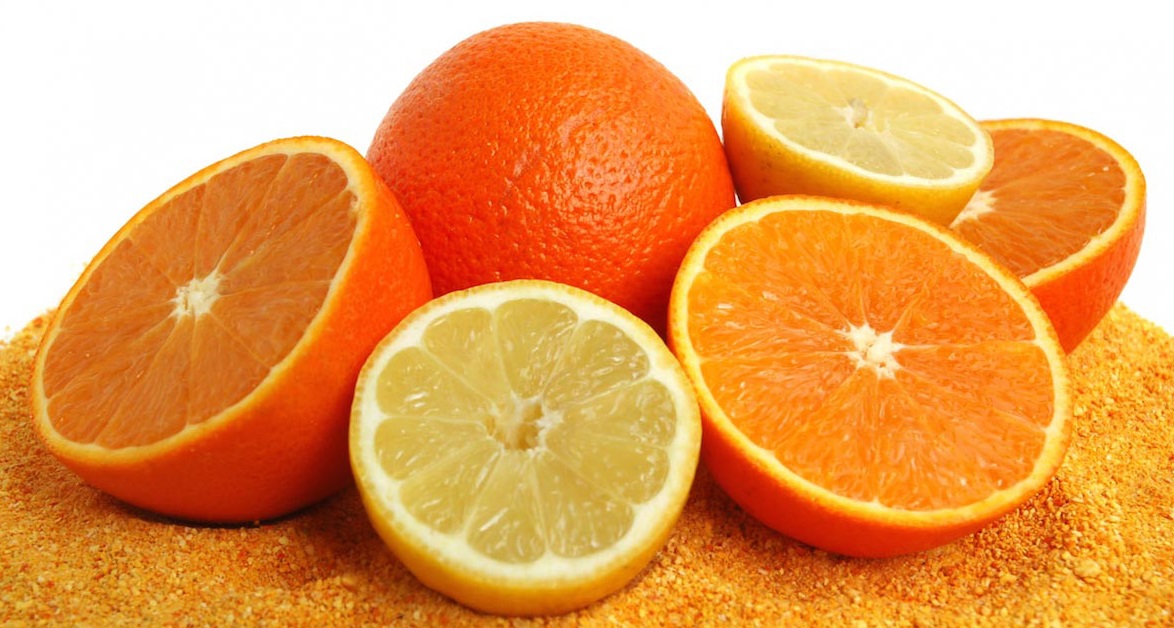
A recent study shows that hesperidin, a flavonoid commonly found in citrus fruits, can protect against skin degradation after exposure to ultraviolet B (UVB) radiation. The paper, which appeared in BMC Complementary and Alternative Medicine, also indicated that the flavonoid also prevented UVB-induced skin thickening, wrinkle formation, and inflammation.

  • Hesperidin is known for its antioxidant, anti-inflammatory, and immune modulatory activities. Researchers looked at whether the flavonoid was effective in preventing photoaging using hairless mice models.
  • The mice were divided into three groups: control, UVB-treated vehicle, and UVB-treated hesperidin. In particular, mice in the hesperidin group were given treated with water containing 100 milligrams per kilogram body weight (mg/kg) of hesperidin daily.
  • Results showed that mice that were treated with hesperidin had improved length and depth of wrinkles, as well as inhibited the development of skin thickness and epidermal hypertrophy.
  • Mice that were treated with hesperidin also exhibited decreased MMP-9 (matrix metallopeptidase 9) and pro-inflammatory cytokine expression.

The findings suggest that hesperidin contained potent anti-photoaging activity, through MMP-9 regulation.

Herbal blend containing two plant extracts shown to protect the pancreas of diabetic patients


Diabetes is not a sweet problem to have – a fact that nearly 30 million Americans know all too well. While there are a number of available methods for controlling the condition, its effects, and the risk of its complications, most of these involve the intake of risky chemical drugs. A natural herbal blend made from vitexin and mistletoe figs could be a viable alternative, as concluded by research published in the journal BMC Complementary and Alternative Medicine.

Diabetes mellitus (DM), more popularly known as just diabetes, is one of the top causes of death worldwide. It’s not the disease that kills per se, but the complications that stem from it that do. Diabetes is closely linked to higher risks of cardiovascular disease, kidney impairments, blindness, and other forms of organ damage.

Aside from strict diet regimens and exercise, DM is also controlled through the use of chemical drugs that are not at all free from side effects. These can range from mild symptoms, such as diarrhea, fatigue, bloating, and weight gain, to outright life-threatening outcomes, such as liver damage, increased risk of anemia, and rapid drops in blood sugar.

For some people, it’s only a matter of learning to take the bad with the good. After all, what are a few symptoms when at the end of the day, one can enjoy the perks of stable blood sugar levels? However, even scientists agree that chemical drugs cannot sufficiently keep blood sugar fluctuations, a common problem among diabetics, under control.

An alternative treatment that has little to none of the adverse effects of chemical medications, one that even people with sensitive constitutions can benefit from, is thus the goal of many hours spent on research. Scientists are looking to nature for possible leads.

100% organic essential oil sets now available for your home and personal care, including Rosemary, Oregano, Eucalyptus, Tea Tree, Clary Sage and more, all 100% organic and laboratory tested for safety. A multitude of uses, from stress reduction to topical first aid. See the complete listing here, and help support this news site.

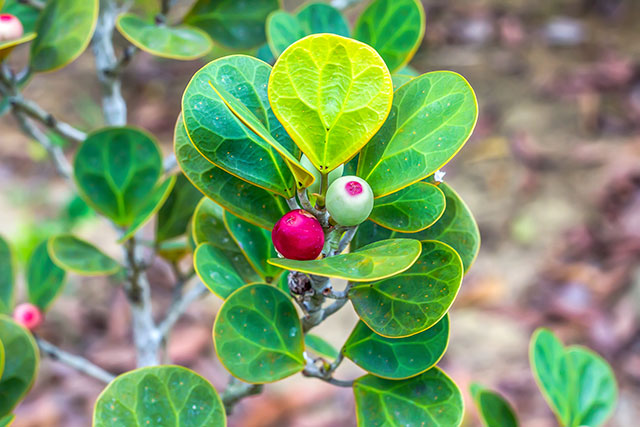
The combination of vitexin and isovitexin, a compound found in the leaves of ornamental mistletoe figs (Ficus deltoidea), has been the subject of much interest because of their antioxidant and anti-diabetic properties observed in animal models.

The study published in BMC Complementary and Alternative Medicine sought to identify the effects of this combination on the histology, insulin secretion, and oxidative status of diabetic rats, factors that previous studies have not examined in depth. In particular, the researchers wanted to understand how F. deltoidea and vitexin protected pancreatic β-cells, the same cells that are responsible for the production and release of insulin.

During the study, the researchers gathered 30 four-week-old Sprague Dawley. They measured the animals’ weight and blood glucose levels. Within a week, they raised the animals’ blood glucose levels to diabetic range through injection of STZ.

The rats were given F. deltoidea and vitexin for eight weeks. After this period, their glucose and insulin tolerances were determined using an intraperitoneal glucose tolerance test (IPGTT) and intraperitoneal insulin tolerance test (IPITT), respectively. The researchers also looked into the animals’ insulin resistance, pancreatic histological changes, and fatty acid composition pattern. The infrared spectra of both the rats’ serum and pancreas were also noted.

Results indicated that both F. deltoidea and vitexin led to an increase in antioxidant enzymes in the pancreas. The herbal combination also promoted the regeneration of the islets of Langerhans, the areas that house the pancreas’ endocrine cells. Interestingly, the researchers observed a great increase in insulin secretion only in rats that were treated with F. deltoidea.

For the researchers, the results of their study assert the role of both F. deltoidea and vitexin in pancreatic function, repair, and protection from oxidative damage. They believe that these effects point to these two herb’s therapeutic potential for treating DM.