Guarana Seed: Your Herbal Source for Caffeine

guarana

Caffeine is a way of life in modern western culture. The philosopher Terence McKenna once jokingly quipped that if caffeine were to disappear from the western diet the economy might collapse due to no one getting any work done! Here at Mountain Rose Herbs, we certainly enjoy our organic black and green teas, organic yerba mate, and even organic, fairly traded coffee. Some of us like to get creative with our caffeine intake, and guarana seed offers an excellent alternative.

What is Guarana?
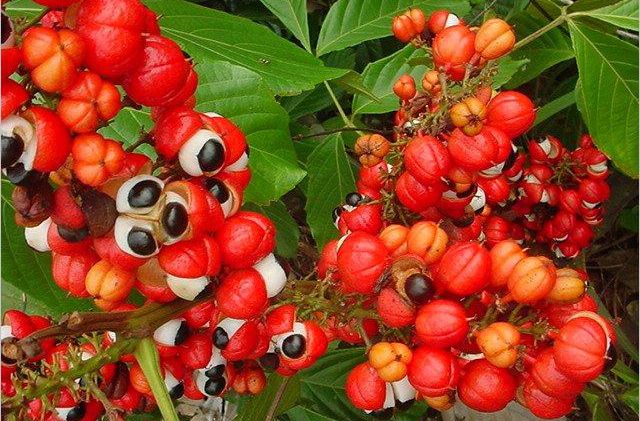
Guarana is a member of the maple family, is native to the Amazon basin, and is especially common in Brazil. Guarana seeds have more caffeine per weight than any plant material on earth, almost three times as much as coffee beans! That’s why you’ll often find guarana extract in many of the energy drinks on the market. In addition to caffeine, guarana seed also contains theobromine and other xanthine alkaloids. Guarana provides a clean energy boost, sharpened mental clarity, and does not give you a “crash” similar to coffee.

Guarana is known as “national drink” in Brazil and has been regarded by the Indians of the Amazon basin for thousands of years as a source of youth, beauty, and longevity. Guarana is rich in xanthine derivatives (alkaloids, caffeine), amino acids, tannins, proteins, vitamins, minerals, etc. It was refreshing, nourishing yin and yang, controlling appetite, relieving abdominal pain, and recovering. Physical strength, energy supplement, and improved body function.
Caffeine is the main functional ingredient in guarana seeds, which has the effect of exciting the body and relieving fatigue, and this effect is more moderate. Guarana has an astringent effect and can be used to treat diarrhea.
The guarana seeds are baked and ground into a brown powder, then added with water, stirred into a paste, and then kneaded and shaped to form a guarana rod, which becomes dark red after drying. Guarana rods are crushed for beverage production.
Guarana is also used in sports foods to enhance athletes’ physical fitness and endurance.
Guarana extract main market application
Guarana extract has learned from the market research of planting nets that the use of guarana extract is used in functional beverages, sports drinks, energy bars, fruit drinks, jelly drinks, milk, dietary supplements, and pharmaceuticals.


RESVERATROL

(0.27 g, 1 mmol) was added to dichloromethane (5 ml) and stirred to dissolve. A 1 mol/L solution of BBr3 in dichloromethane (10 ml) was added dropwise, and the reaction was stirred at room temperature for 2 h, and the reaction was followed by TLC [developing solvent: acetone-hexane (1:2)]. The reaction mixture was poured into EtOAc (EtOAc m. Recrystallization from 50% ethanol gave white crystals (1) (0.20 g, 90%), mp 256 to 257.

[Pharmacological action]
(1) Anti-tumor effect
(2) treatment of cardiovascular disease
(3) Antioxidant and anti-free radical action
(4) Liver protection
(5) estrogen-like effects and affect bone metabolism
(6) Regulating immunity
(7) Anti-virus
(8) Anti-bacteria and fungi
(9) Anti-allergic reaction
(10) Radiation protection
(11) Prevention of acute infectious atypical pneumonia
[Use] Widely used in medicine, health care products, cosmetics and food additives

【references】
[1] Resveratrol: A Review http://www.pewiki.net/resveratrol/
[2] Bowers JL, Tyulmenkov VV, Jernigan SC, Klinge CM. Resveratrol acts as a mixed agonist/antagonist for estrogen receptors alpha and beta. Endocrinology. 2000; 141:3657-3667.
[3] Burkitt MJ, Duncan J. Effects of trans-resveratrol on copper-dependent hydroxyl-radical formation and DNA damage: Evidence for hydroxyl-radical scavenging and a novel. Glutathione-sparing mechanism of action. Arch Biochem Biophys. 2000; 381:253-263.
[4] Cao G, Prior RL. Red wine in moderation: Potential health benefits independent of alcohol. Nutr Clin Care. 2000; 3:76-82.
[5] Chun YJ, Kim MY, Guengerich FP. Resveratrol is a selective human cytochrome P450 1A1 inhibitor. Biochem Biophys Res Commun. 1999; 262:20-24.
[6] Cichewicz RH, Kouzi SA, Hamann MT. Dimerization of resveratrol by the grapevine pathogen. Botrytis cinerea. J Natl Prod. 2000; 63:29-33.
[7] Ciolino HP, Yeh GC. Inhibition of aryl hydrocarbon-induced cytochrome P450 1A1 enzyme activity and CYP1A1 expression by resveratrol. Mol Pharmacol. 1999; 56:760-767.
[8] Doherty JJ, Fu MM, Stiffer BS, et al. Resveratrol inhibition of herpes simplex virus replication. Antiviral Res. 1999; 43:145-155.
[9] Dubash BD, Zheng BL, Kim CH, et al. Inhibitory effect of resveratrol and related compounds on the macromolecular synthesis in HL-60 cells and the metabolism of 7,12-dimethylbenz[a]anthracene by mouse liver microsomes. In: Shahidi F, Ho C-T, eds. Phytochemicals and Phytopharmaceuticals. Champaign, IL: AOCS Press; 2000:314-320.
[10] Fontecave M, Lepoivre M, Elleingand E, et al. Resveratrol, a remarkable inhibitor of ribonucleotide reductase. FEBS Lett. 1998; 421:277-279.
[11] Frémont L. Biological effects of resveratrol. Life Sci. 2000; 66:663-673.
[12] Frémont L, Belguendouz L, Delpal S. Antioxidant activity of resveratrol and alcohol-free wine polyphenols related to LDL oxidation and polyunsaturated fatty acids. Life Sci. 1999; 64:2511-2521.
[13] Gehm BD, McAndrews JM, Chien P-Y, Jameson JL. Resveratrol, a polyphenolic compound found in grapes and wine, is an agonist for the estrogen receptor. Proc Natl Acad Sci USA. 1997; 94:14138-14143.
[14] Holmes-McNary M, Baldwin AS Jr. Chemopreventive properties of trans-resveratrol are associated with inhibition of activation of the IkappaB kinase. Cancer Res. 2000; 60:3477-3483.
[15] Hsieh TC, Juan G, Darzynkiewicz Z, Wu JM. Resveratrol increases nitric oxide synthase, induces accumulation of p53 and p21 (WAF1/CIP1), and suppresses cultured bovine pulmonary artery endothelial cell proliferation by perturbing progression through S and G2. Cancer Res. 1999; 59:2596-2601.
[16] Hung L-M, Chen J-K, Huang S-S, et al. Cardioprotective effect of resveratrol, a natural antioxidant derived from grapes. Cardiovascular Res. 2000; 47:549-555.
[17] Jang M, Cai L, Udeani GO, et al. Cancer chemopreventive activity of resveratrol, a natural product derived from grapes. Science. 1997; 275:218-220.
[18] Jang M, Pezzuto JM. Cancer chemopreventive activity of resveratrol. Drugs Exp Clin Res. 1999; 25:65-77.
[19] Kirk RI, Deitch JA, Wu JM, Lerea KM. Resveratrol decreases early signaling events in washed platelets but has little effect on platelet aggregation in whole blood. Blood Cells Mol Dis. 2000; 26:144-150.
[20] Martinez J, Moreno JJ. Effect of resveratrol, a natural polyphenolic compound, on reactive oxygen species and prostaglandin production. Biochem Pharmacol. 2000; 59:865-870.
[21] Nielsen M, Ruch RJ, Vang O. Resveratrol reverses tumor-promoter-induced inhibition of gap-junctional intercellular communication. Biochem Biophys Res Commun. 2000; 275:804-809.
[22] Pace-Asciak CR, Hahn S, Diamandis EP, et al. The red wine phenolics trans-resveratrol and quercetin block human platelet aggregation and eicosanoid synthesis: implications for protection against coronary heart disease. Clin Chim Acta. 1995; 235:207-219.
[23] Paul B, Masih I, Deopujari J, Charpentier C. Occurrence of resveratrol and pterostilbene in age-old darakchasava, an ayurvedic medicine from India. J Ethnopharmacol. 1999; 68:71-76.
[24] Pinto MC, García-Barrado JA, Macías P. Resveratrol is a potent inhibitor of the dioxygenase activity of lipoxygenase. J Agric Food Chem. 1999; 47:4842-4846.
[25] Ray PS, Maulik G, Cordis GA, et al. The red wine antioxidant resveratrol protects isolated rat hearts from ischemia reperfusion injury. Free Rad Biol Med. 1999; 27:160-169.
[26] Sanders TH, McMichael RW Jr, Hendrix KW. Occurrence of resveratrol in edible peanuts. J Agric Food Chem. 2000; 48:1243-1246.
[27] Schneider Y, Vincent F, Duranton B, et al. Anti-proliferative effect of resveratrol, a natural component of grapes and wine, on human colonic cancer cells. Cancer Lett. 2000; 158:85-91.
[28] Soleas GJ, Diamandis EP, Goldberg DM. Resveratrol: A molecule whose time has come? And gone? Clin Biochem. 1997; 30:91-113.
[29] Stewart JR, Christman KL, O’Brian CA. Effects of resveratrol on the autophosphorylation of phorbol ester-responsive protein kinases. Biochem Pharmacol. 2000; 60:1355-1359.
[30] Subbaramaiah K, Chung WJ, Michaluart P, et al. Resveratrol inhibits cyclooxygenase-2 transcription and activity in phorbol ester-treated human mammary epithelial cells. J Biol Chem. 1998; 273:21875-21882.
[31] Subbaramaiah K, Michaluart P, Chung WJ, et al. Resveratrol inhibits cyclooxygenase-2 transcription in human mammary epithelial cells. Ann NY Acad Sci. 2000; 889:214-223.
[32] Tang W, Eisenbrand G. Chinese Drugs of Plant Origin. Berlin: Springer-Verlag; 1992; 787-791.
[33] Tessitore L, Davit A, Sarotto I, Caderni G. Resveratrol depresses the growth of colorectal aberrant crypt foci by affecting bax and p21CIP expression. Carcinogenesis. 2000; 21:1619-1622.
[34] Tomera JF. Current knowledge of the health benefits and disadvantages of wine consumption. Trends Food Sci Technol. 1999; 10:129-138.
[35] Tsai SH, Lin-Shiau SY, Lin JK. Suppression of nitric oxide synthase and the down-regulation of the activation of NFkappaB in macrophages by resveratrol. Br J Pharmacol. 1999; 126:673-680.
[36] Zou J, Huang Y, Chen Q, et al. Suppression of mitogenesis and regulation of cell cycle traverse by resveratrol in cultured smooth muscle cells. Int J Oncol. 1999; 15:647-651.

mulberry extract


mulberry extract

mulberry extract
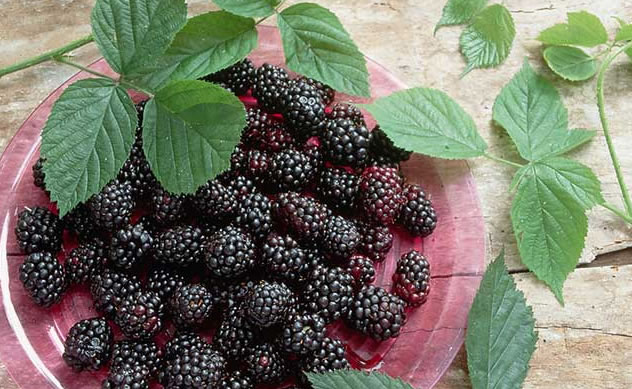
[English name] Mulberry Fruit Extract
[Latin name] Fructus Mori
[Source] This product is the dried ear of the Moraceae alba L.. When the fruit turns red from April to June, it is harvested, dried, or slightly steamed and dried.
[Content] 10:1 (%)
[Main ingredients] Sugar, tannic acid, malic acid and vitamins B1, B2, C and carotene.
[Appearance] reddish brown fine powder
[Indications] blood and nourishing yin, Shengjin Runzao. For dizziness, tinnitus, palpitations, insomnia, need to be early white, Tianjin wound thirst, internal heat and thirst, blood deficiency constipation.
[Save] Store in a cool, dry place, away from light, and away from high temperatures.
[Shelf life] two years
[Packing] Double-layer plastic bag and external cardboard drum (25 kg/barrel). Mulberry extract details

It is a mature fruit of the mulberry plant, also known as mulberry. Mulberry is rich in ingredients such as raw food or processed fruit pulp and beverages. As early as 2,000 years ago, Mulberry was already a tonic for the Chinese emperor. Due to the special growth environment of mulberry trees, mulberry fruit has the characteristics of natural growth and no pollution, so mulberry is also known as “civil fruit”. It is rich in active protein, vitamins, amino acids, carotene, minerals, glucose, sucrose, fructose, tannin, malic acid, calcium, vitamin B1, B2, C, niacin and other ingredients. Nutrition is 5-6 of apple. It is four times as many as grapes and has many functions. It has been praised by the medical profession as “the best health care fruit in the 21st century”. Regular consumption can significantly improve the body’s immunity, and has the effect of delaying aging, beauty and beauty.

Mulberry is the mature fruit of the deciduous tree mulberry tree, and the mulberry is also called mulberry. The farmer likes to pick up the ripe fresh fruit and taste it. It is one of the fruits that people eat often. Mature mulberry oil is moist, sweet and sour, and it is better to be large, fleshy, purple, and sugar. Harvested from April to June every year when the fruit is ripe, washed, decontaminated, dried or slightly steamed and dried.

Main effect

It has the effect of improving the blood supply to the skin (including the scalp), nourishing the skin, making the skin white and black, and delaying aging. Mulberry is a good fruit and good medicine for the health and beauty of the elderly and anti-aging. Regular mulberry can be used tomorrow to relieve the symptoms of dry eyes and dryness. Mulberry has an immune-promoting effect. Mulberry has a weight-increasing effect on the spleen and enhances the hemolytic reaction. It can prevent arteriosclerosis, bone joint and joint hardening, and promote metabolism. Mulberry can promote the growth of red blood cells, prevent leukopenia, and treat diabetes, anemia, and hypertension. Hyperlipidemia, coronary heart disease, neurasthenia and other diseases have adjuvant effects. Mulberry has the functions of thirst, promoting digestion and helping defecation. Appropriate consumption can promote the secretion of gastric juice, stimulate bowel movement and relieve dryness. Chinese medicine believes that mulberry is sweet and cold, and has the effects of nourishing liver and kidney, invigorating the intestines, and inventing the day.

Function and use

Bugan Yishen, nourishing blood and fluid, and laxative. It also accelerates skin regenerative ability, whitening and freckle, making skin soft and elastic. For dizziness, tinnitus, palpitations, insomnia, early whitening, thirst for thirst, internal heat and thirst, blood deficiency constipation. Suitable for the crowd
Generally suitable for adults. Women, middle-aged and over-the-eye are suitable for consumption.

Plant extract

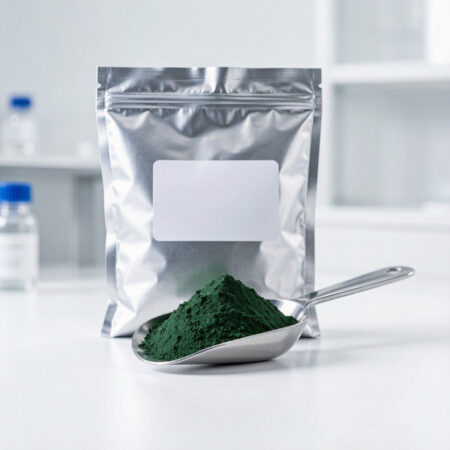
During the process of plant growth, they carry out a number of metabolic and biochemical processes, forming and accumulating various kinds of chemical substances that form the chemical composition of plants. Plant extracts are very complicated and also contain many types of chemical composition with the composition in different parts also being different. Usually plants contain many types of chemical constituents below: alkaloids, glycosides, organic acids, resins (including resin acids, resin alcohols and hydrocarbon resins), volatile oils, sugars (including starches, inulin, gums and phlegmatic, etc.) , amino acids, proteins and enzymes, tannins, plant pigments (including chlorophyll, carotenoids, flavonoids, beet red bases and quinones, etc.), oils and waxes, and inorganic ingredients (trace elements).

There are many kinds of plant extracts with their major functions contained in skin medicines, efficacy cosmetics and cosmetic including: anti-irritant, anti-inflammatory, wound healing, anti-infective, sterilization, wetting, protecting the skin and so on. No matter whether it is a single plant extract or compound extract, it often has multiple effects, especially that the clinical efficacy of the compound extract is reflected in the combined and overall effect of compound compatibility, its efficacy is sometimes more excellent than mixed material of the isolated purified ingredients.

According to the formulations of plant extracts, it can be divided into: water-soluble plant extracts (including water and propylene glycol, propylene glycol, butylene glycol, and glycerol extract), oil-soluble plant extracts (including various vegetable oils, such as the exact of sunflower oil, coconut oil and olive extract oil, sometimes use isopropyl myristate extract), essential oils, spray-dried powder, enzyme-hydrolyzed vegetable protein powder, the pure active ingredients, peeled fruit core powder, liposome encapsulated microcapsules, polysaccharides or other porous polymer-encapsulated microcapsules and microspheres absorbed extract. It has been also used of freshly prepared fruit or vegetable juice in the professional beauty salon or family. If the plant parts used for the plant extract are different, the active ingredients are also different, including: roots, stems, leaves, bark, flowers, garland, fruits, seeds, shoots and the like. This classification method is more meaningful in the preparation, application, storage and transportation, and is used frequently by the manufacturer of some plant extracts.

With the development of various pieces of studies including extraction, isolation, determination techniques of composition and structure and the pharmacological effects, some separated and purified plant extract has begun to be taken seriously. Some companies of plant extracts manufacturing are actively studying and developing these new types of products. Some larger cosmetic companies have done a lot of research work, separating and extracting pure extract and further applying to various products. There are highly effective ingredients contained in such plant extracts, containing no or less other irrelevant substances but containing one or more pure components. These components have accurate contents and structure components, relatively explicit quality standards and inspection methods, and have their product undergone pharmacological testing, clinical trials and activity tests. The application of such plant extracts is more effective and practical, easy for the anti-corrosion and the quality control of the product, but usually having higher cost compared general extract. We will discuss below of some plant extracts which have been applied in cosmetics, having clearly defined composition and structure as well as having undergone separation and purification.

The plant extracts industry in our country, because of the influence of traditional Chinese medicine culture, has unique advantages for development. With rich resources and technological advantages, China has become one of the world’s most important suppliers of plant extracts. According to Chinese customs statistics, China’s plant extracts of exports had amounted to $815 million in 2010, accounting for 41.9% of China’s total export of Chinese medicine, the extract of Chinese products have become the major driving force in the increasing of the China’s export growth. At present, there are around 2000 enterprises engaging in plant extracts production and trade business with thousands of products being exported to foreign countries every year.

Data has shown that the inn the first half of 2011, the exports sales of plant extracts in China has reached up to $525 million with an increase of 47.68%. The proportion of plant extract in Chinese exports is gradually increasing. As the product of “natural medicine” and “homeopathy” usage, plant extracts have a very stable market in the international market.

Wolfberry extract


Wolfberry extract

Wolfberry extract
[English name] Wolfberry P.E.
[Latin name] Lycium chinense
[sexual taste] Gan, Ping
[Properties]Brown yellow powder
[Main ingredients] Wolfberry polysaccharide, betaine, zeaxanthine, carotene and amino acids
[Function] nourishing liver and kidney, benefiting and improving eyesight. Used for consumptive loss, waist and knee pain, dizziness, tinnitus, internal heat, thirst, blood deficiency, sallowness, dizziness
[Product Specifications] Lycium barbarrum Polysaccharides 20%, 50%, 70%
[Physicochemical properties] Soluble in water, especially soluble in hot water, insoluble in organic solvents such as ethanol, methanol, acetone, n-butanol. Sulfuric acid-phenol coloring reagent is positive
[Test method] UV
[Packing] 25KG / barrel
[Save] cool and dry, away from light, avoid high temperature
[storage period] 24 (months)

Wolfberry details

Wolfberry is a valuable Chinese medicine with rich nutrients and high pharmaceutical value. It contains not only iron, phosphorus, calcium, etc., but also a lot of sugar, fat, protein and amino acids, polysaccharide pigments, vitamins, sterols, and cesium. Classes, etc., have the functions of moistening the lungs, clearing the liver, nourishing the kidney, benefiting the Qi, spermatogenic, helping the yang, hurricane, eyesight, and strong bones. It also contains polysaccharides that have a good health care effect on the human body and organic warts that are beneficial to the development of human intelligence. Each 100 g of sputum contains 112.50 mg of calcium, 7.78 g of crude fiber, 57.82 g of carbohydrate, 203.10 mg of phosphorus, 7.14 g of crude fat, 18.4 g of ascorbic acid, 8.42 mg of iron, 12.10 g of crude protein, 4.32 g of niacin, thiamine. 0.153 mg, riboflavin 1.27 mg, carotene 7.38 g, saccharide 46.50 mg, calories 362.20 Kcal, 100 mg total amino acid 8.48 mg.

Plant source

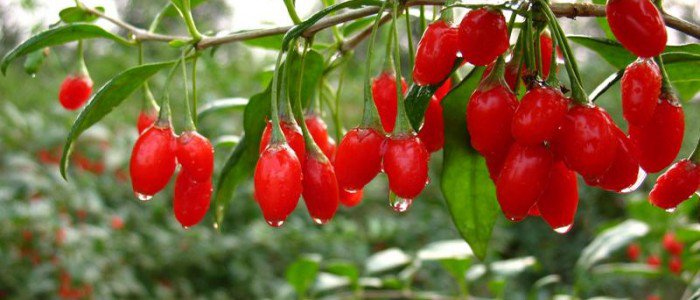
The medlar is the fruit of the Solanaceae plant Lycium barbarum L. When the fruit is orange-red in summer and autumn, it is harvested, dried to the skin wrinkle, and then exposed to the skin to dry and hard, the flesh is soft, and the fruit stem is removed. Characters The fruit is elliptical, 6 to 18 mm long and 6 to 8 mm in diameter. The surface is bright red or dark red, with irregular wrinkles, slightly lustrous, with stigma marks on the top and fruit stems on the other end. It is soft and moist, thick and sticky, containing 25 to 50 seeds. Seed flat kidney shape, up to 2.5mm, width to 2mm, khaki. Micro, sweet, slightly acidic. Main ingredients: lycium barbarum, betaine, zeaxanthine, carotene and amino acids.

Pharmacological action

1. Immunoregulatory function A number of studies have shown that alfalfa polysaccharide can enhance the immune function of T cell antigen, thus selectively enhancing the immune response of T cells; significantly increasing the percentage of human phagocytic phagocytosis and phagocytic index; can significantly improve serum lysing Enzyme activity.
2, anti-aging contains a variety of free radical scavengers, such as polysaccharides, vitamins C, E, β-carotene, etc., with antioxidant aging; modern aging theory that the main cause of the decline in immune function during aging is the thymus As the age shrinks, the thymus is the main link of aging. The polysaccharide can promote the number of mature thymocytes in the human body, thus reversing the aging degeneration of aging. The polysaccharide can also enhance the hematopoietic function of the bone marrow and resist aging of hematopoietic function.
3, anti-mutation and anti-tumor, maintain cell health can prevent and reduce somatic cell carcinogenesis, promote the normal development and growth of human reproduction and embryonic cells; can significantly increase the number of white blood cells, have defense and block mutagenic effects. Promote the proliferation of pluripotent hematopoietic stem cells and maintain chemotherapy. Observation of cell culture in vitro showed that it had significant inhibitory effects on human gastric adenocarcinoma and cervical cancer cells. The inhibition rate in the literature was 91.8% and 82.6%.
4, protect the liver The betaine contained can act as a methyl donor, protect the liver from harmful chemicals, and resist the peroxidation of liver lipids. Long-term feeding of rats with water-containing extracts has a protective effect on liver damage caused by CCL4, inhibits lipid changes in serum and liver caused by CCL4, and reduces aspartate aminotransferase.
5, hypoglycemic, hypolipidemic studies have shown that hazelnut extract can improve carbohydrate tolerance and has a significant hypoglycemic effect; can reduce serum and liver total cholesterol, triglycerides and low-density lipoprotein, suggesting lice It has a certain preventive effect on fatty liver, and can prevent and treat atherosclerosis and prevent the occurrence of cardiovascular and cerebrovascular diseases.

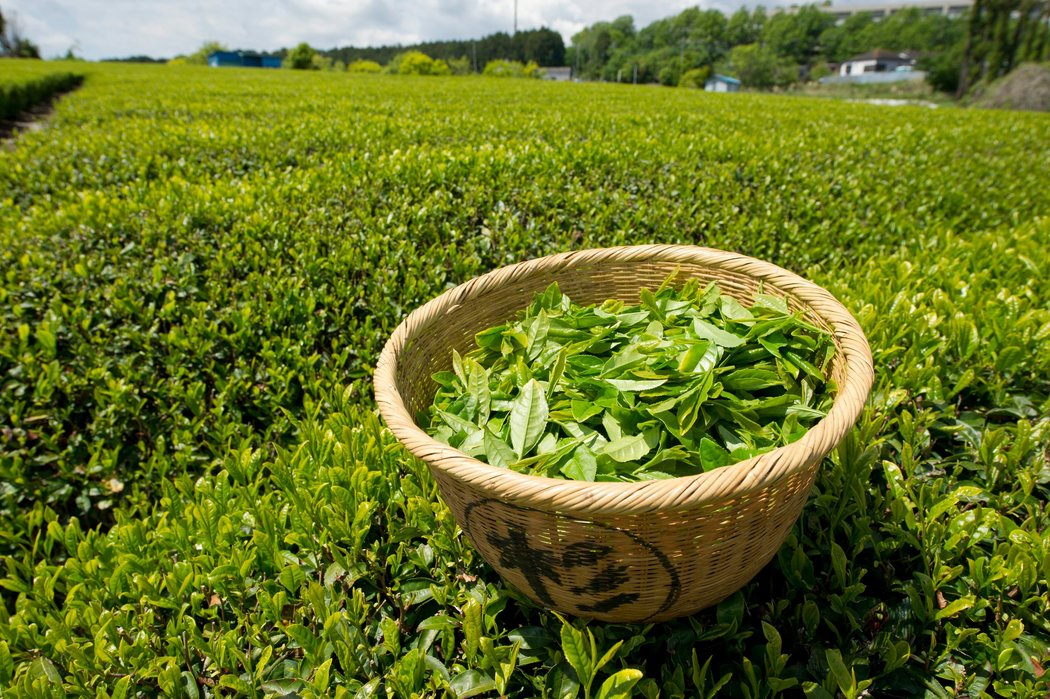
Green tea Extract

Green tea Extract

[English name]: Green tea Extract
: tea polyphenol ≥ 90% Tea Polyphenols ≥ 90% [extracted parts]: leaves
[Main ingredients]: tea polyphenols, caffeine, aromatic oil, water, minerals, pigments, carbohydrates, proteins, amino acids, vitamins, etc. [Test method]: HPLC
[Other common content]: Tea polyphenols 20%-98% EGCG: 15%-98% Catechin: 30%-90%
[Pharmaceutical effect]: lowering blood pressure, anti-hemagglutination, lowering blood fat, losing weight, preventing and treating atherosclerosis and thrombosis, cardiovascular diseases, lowering blood sugar, preventing and treating diabetes, bactericidal and antiviral; preventing hepatitis, fatty liver, anti-aging and Enhance immune function; fight cancer, anti-allergy, prevent colds, prevent fractures.

The main effect of green tea extract

Tea polyphenols improve the body’s comprehensive immunity;
By regulating the activity of immunoglobulin, it can indirectly improve the body’s comprehensive immunity, anti-rheumatic factors, antibacterial and antiviral effects, anti-allergic reactions and skin allergic reactions, soothe gastrointestinal tension, diarrhea and diuresis, promote the absorption of Vc, prevent and control Blood disease.

Health care efficacy; anti-lipid peroxidation, anti-aging, anti-allergic effect on heavy metal salts and alkaloid poisoning, anti-radiation damage, reduce adverse reactions of radiotherapy, anti-caries and remove bad breath, help digestion, have Helps with skin care.

Panax notoginseng (Burk.) F. H. Chen

Panax notoginseng (Burk.) F. H. Chen

Botanical Name : Panax notoginseng (Burk.) F. H. Chen
Medicinal Chinese Name : Sanqi
Primitive: The root of Panax notoginseng (Burk.) F. H. Chen of Araliaceae plant Araliaceae.
Use location : Root
Main origin : Mainland China
Production place: Distributed in Jiangxi, Hubei, Guangdong, Guangxi, Sichuan, Yunnan and other places in mainland China, mainly produced in Yunnan, Guangnan, Guangxi.
Harvesting and processing: Generally harvested after 4 years of planting, harvested from August to September or called Spring 7 and November. Dig up the roots, remove the stems and leaves, and dry or dry.
Medicinal Latin Name : Radix Notoginseng

Sanqi medicinal properties
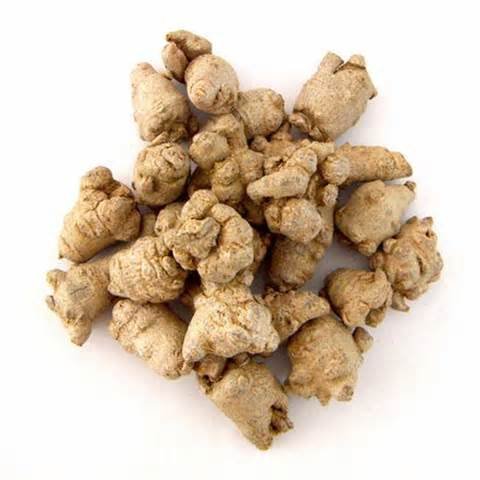
Sanqi: The roots are conical, spindle-shaped or irregularly shaped, 3~4cm long and 0.4~3cm in diameter. The surface is grayish yellow to brownish black, with waxy luster, root rhizome marks on the top, nodular protrusions around it, intermittent longitudinal wrinkles on the sides and root fractures. The body weight is firm, the skin is often separated from the wood after crushing; the cross section is grayish green, yellowish green or grayish white, the skin has fine brown resin road spots, and the center has a slightly radial texture. The gas is slight, bitter, slightly cool and then sweet.
Sanqi organization identification
The outermost layer of the root cross section is 5~8 layers of cork layer. The outer layer cells are easy to rupture, and the cork cells are rectangular. The phloem is scattered with several resin channels and the diameter is about 80~250μm. The formation layer is obvious, 3 to 4 columns. The xylem is composed of a duct, a thin-walled cell of the wood, and a medullary medulla; the medullary ligament is 1 to 3 columns. Most of the catheters are mesh catheters and stepped catheters. The outer tough vascular bundles are arranged radially. The center is the native xylem. The soft cells contain a large amount of starch granules, and the starch has a particle size of about 5-15 μm.
Sanqi HPLC fingerprint
Test liquid and sample preparation method
(1) Internal standard solution (I.S) configuration
0.1 g of acetophenone was placed in a 100 mL dosing bottle and made up to the mark with 70% ethanol (Ethanol) as an internal standard solution (I.S.).
(2) Extraction method
The medicinal materials of Panax notoginseng were powdered by a pulverizer, and 1 g of powder was weighed into a 50 mL centrifuge bottle. After adding 8 mL of 70% ethanol (Ethanol) aqueous solution, the ultrasonic wave (Bornson 5210/8510) was shaken for 15 minutes to Hermle. Centrifuge the Z-400 centrifuge at 2500 RPM for 10 min, take the supernatant, and add 8 mL of 70% Ethanol to the residue for 15 minutes. Repeat three times. The three supernatants were combined, and 1 mL of the internal standard (acetophenone) was added, and the volume was adjusted to 25 mL with 70% Ethanol as a detection solution.
Chemical fingerprinting
(1) Calibration of common fingerprint peaks
Take HPLC to detect the HPLC chromatogram obtained from the medicine of Panax notoginseng, and calibrate the time and relative time of the peak of each batch of Panax notoginseng (refer to the peak time of occurrence of the internal standard IS time), as the drug must have a peak Reference basis
(2) The ratio of the total fingerprint peak to the retained area
The chromatogram of the samples of Panax notoginseng was determined by HPLC, and the relative retention area of each finger peak was calculated. The absolute retention area of each finger peak was divided by the absolute retention area of the internal standard (I.S.) as the relative retention area of the finger peak. The relative retention area of each finger peak is divided by the relative retention area of the reference finger peak (the reference peak relative to the retention area is selected, and the peak area is relatively large and stable). The relative retention area and reference material of each finger peak are calculated. The ratio of the peak relative to the retained area is taken as the ratio of the peak relative retention area.
(3) Chemical fingerprint radar map production
Absorb the finger peak map, mark the peak time of each finger, calculate the average value of the relative area ratio of each finger peak of the medicine, and obtain the S.D value and the corresponding compound number. The peaks in the HPLC map are numbered as the outer circle coordinates, and the relative area ratio of the finger number is the value of the coordinate axis, and the value of ±S.D is marked to make a simple and clear chemical fingerprint radar map.
Panax notoginseng contains ginseng saponins Rb1, Rd, Re, Rg1, Rg2, Rh1 (ginsenoside Rb1, Rd, Re, Rg1, Rg2, Rh1), esculenta, notoginsenoside R1, R2, R3, R4, R5 , R6 (notoginsenoside R1, R2, R3, R4, R5, R6), α- and β-ylangurene (α-, β-muurolene), cyperene, γ-, β- and γ- Elemene (α-, β-, γ-elemene), α-gurjunene, guaiene, caryophyllene, α-cedrene, Cuparene, cadinene, β-cubebene, methyl palmitate, ethyl palmitate, methyl heptadecadienoate, octadecadiene Methyl ester (methyl octadecadienoate), palmitic acid, heptanoic acid, octanoic acid, nonanoic acid, and the like.
Sanqi velvet root contains ginseng saponin Rb, ginseng xVI (gypenoside XVI), notoginsenoside R4. Panax notoginseng contains ginseng saponins Rb1, Rd, Re, Rg1, Rg2, Rh1 and notoginsenoside R1, R2, R, dencichine, a small amount of flavonoids, starch, protein, oil, biopterin And trace elements.
Sanqi plant description
Perennial perennial herb, 20~60 cm high. The main root is thick, fleshy, spindle-shaped, inverted conical or cylindrical, and the upper part often has a branching mark of the ridge. Stems single, erect, unbranched. Palmate compound leaves, 3-6 pieces of stalk apex; leaflets usually 5 to 17 pieces, 3 to 19 pieces thin, membranous, oblong to obovate-oblong, leaf margin with fine serrate, dentate Small bristles, sparsely bristled along the two sides. Umbells solitary, 3 to 4 cm in diam., with flowers 80 to 100 or more.

This Woman Was Severely Burned by a Common Plant—and Now Her Warning Is Going Viral

A woman’s Facebook post and shocking photos have gone viral after she shared her experience with wild parsnip—a plant she encountered along the road in Vermont, which caused serious burns and blisters up and down both of her legs. She’s hoping that by spreading the word, she can help others avoid this type of reaction.

Charlotte Murphy posted the warning on Saturday, more than a week after she first brushed against the invasive species during a pit stop along a Vermont road. In an interview with NBC5, Murphy said she stopped to go to the bathroom in a mowed-down area with picnic tables.

On Facebook, Murphy describes wild parsnip as an invasive species that looks like yellow Queen Anne’s lace “and is found along roadsides/guardrails that has been spreading each year throughout Vermont and other states.” She didn’t realize that her leg had rubbed against the plant’s broken leaves, she wrote, “so I went about my day in the hot sun.”

My hope in posting this unfortunate news is to create greater awareness for what WILD PARSNIP is (an invasive species…

Posted by Charlotte Murphy on Saturday, July 14, 2018

But, according to Murphy, the sun activated the plant’s sap and sparked the damaging effects it can have on skin. “A few bumps appeared within a couple days but no pain or itch,” she wrote. “I continued working out in the sun allowing more sweat and UV rays to hit the skin, making the reaction that came a week later much worse than if I had washed my skin right away and stayed out of the sun.”

Murphy’s leg became extremely red and itchy over the next few days, until she woke up with large, yellow blisters on her leg. “Throughout the day they grew exponentially to a point where my leg was swollen and I couldn’t walk,” she wrote. The blisters soon spread to her other leg, arms, and fingers.

RELATED: 12 Reasons Your Skin Is So Itchy–and When to Talk to a Doctor

So, what is wild parsnip?

Wild parsnip (whose scientific name is Pastinaca sativa L.) is common in many parts of Vermont. It is also found throughout most of the United States, according to the United States Department of Agriculture.

Pastinaca sativa L. is actually the same plant that farmers and home gardeners harvest to get the parsnips we eat in soups and roasted-veggie dishes. But when it grows wild, the plant produces tiny yellow flowers during its second year. According to the U.S. Fish and Wildlife Service, the plant has grooved, hairless stems and typically stands between two and five feet tall.

Wild parsnips and related plants produce a sap that can react with sunlight to form a compound that’s toxic to skin cells, says Eike Blohm, MD, an emergency medicine physician and medical toxicologist at the University of Vermont. Touching the plant itself isn’t harmful, unless the stem or leaves are broken and that sap is exposed.

“This unfortunate experience is called phytophotodermatitis,” he says, and it’s a natural defense against certain types of plant-eating fungus. “Humans aren’t the intended target, but if we absorb this substance topically and then go out in the sun, it can have really devastating effects.” The chemical reaction can damage DNA and cause skin cells to die, which can cause blisters and scarring.

The plant is a close relative of carrots, parsley, celery, and giant hogweed, all of which can cause similar skin reactions in sensitive individuals, says Dr. Blohm. Earlier this month, a Virginia teen made headlines after suffering second-degree burns from wild hogweed exposure. Experts say that plant’s growth is spreading to new states and regions.

Eating citrus fruits and taking certain medications can also have similar effects for people who are sensitive to plants’ light-reactive compounds. For example, one 2014 case report from the University of Vermont describes a woman who had developed a rash on her hands after baking with lime juice and then going out in the sun.

RELATED: 7 Medications That May Make You Extra Sensitive to Sun and Heat

How to protect yourself

People who think they’ve been exposed to wild parsnip sap should wash their skin thoroughly with soap and water as soon as possible, says Dr. Blohm. They should also keep the exposed area out of the sun for at least 48 hours.

“Apply sunscreen and stay inside, because if you don’t get irradiated with UV light, you shouldn’t get those symptoms,” he says. “Once the blisters form, there’s no antidote; we can only treat it the way we’d treat a burn.”

Dr. Blohm cautions that, while wild parsnip and giant hogweed are most likely to be found along roadsides and near creeks, “they are weeds that spread very easily, and they can sometimes spread into people’s backyards.” If they do appear near your home, he says, wear full-body protection to pull them out, “or hire a professional to remove it.”

The Vermont Department of Health also recommends washing any clothing that may have been exposed to plant sap right away. And if you do have to work with or around the plant, try to do so on cloudy days, when the sun is less likely to react with the sap.

To get our top stories delivered to your inbox, sign up for the Healthy Living newsletter

If a reaction does occur, call your doctor or seek treatment at a medical facility or burn center. Because the sap can cause injuries similar to second-degree chemical burns, the affected areas may need to be cleaned and bandaged to avoid infection. Sometimes, says Dr. Blohm, skin grafts are required.

Thankfully, Murphy is expected to make a full recovery. After first seeking treatment at an urgent-care facility, she’s now seeing doctors at the University of Vermont’s burn clinic. “The progress is slow but the blisters and swelling have gone down,” she wrote in her Facebook post.

As her arms and legs heal, Murphy is imploring people to “tell EVERYONE you know” about the dangers of wild parsnip—adding that pets can also get burned if they come into contact with the plant’s oil.

She apologized in her post for the graphic nature of her photos, but added, “they are the best way to show people what wild parsnip does.” And her plan to spread awareness about the toxic plant seems to be working: Since Saturday, the post has been shared more than 39,000 times.
Study: Alcohol Fuels Drastic Increase in Liver Disease

DEATHS FROM LIVER disease, especially among young people, have increased dramatically since 1999, according to new research.

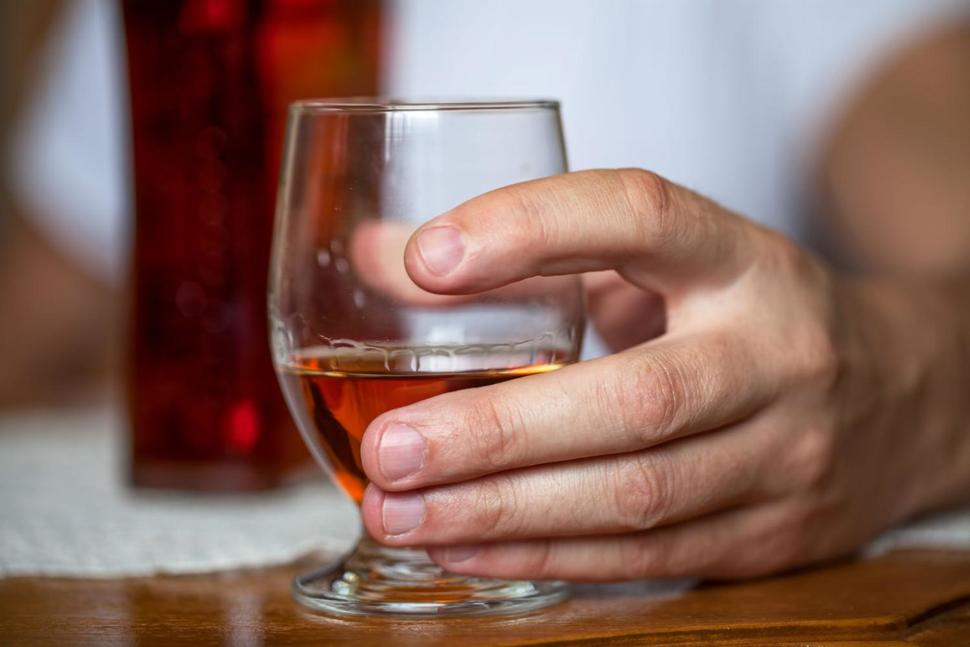
A study published Wednesday in The BMJ examined deaths related to cirrhosis and liver cancer from 1999 to 2016. Researchers discovered that cirrhosis-related deaths increased 65 percent among men and women across all ethnicities, totaling 34,174. Deaths from liver cancer doubled to 11,073. Asians and Pacific Islanders was the only subgroup that saw a decrease in mortality from cancer.

According to the study, from 2009 to 2016, “the period of worsening death rates,” people aged 25 to 34 experienced the highest annual increase in cirrhosis-related deaths (10.5 percent), which was entirely fueled by alcohol-related liver disease. The researchers stated this finding is “reinforced by parallel changes in mortality due to alcohol use disorders and all alcohol-related liver disease.”


Deaths from cirrhosis rose the most among Native Americans, whites and Hispanics. They also rose the fastest in Southern and Western states, such as Kentucky, New Mexico, Arkansas, Indiana and Alabama. Additionally, men experienced twice as many deaths from cirrhosis as women.

Cirrhosis is the scarring of the liver, which prevents it from functioning properly. Common causes include heavy alcohol consumption and hepatitis.

RELATED CONTENT


Liver Cancer Is Spreading With Deadly Intent

Lead author and professor at the University of Michigan, Dr. Elliot Tapper, told CNN that an increase in binge-drinking culture among young people could be the cause of the rise in cirrhosis-related deaths. Tapper said he has been treating more young people with liver disease and that these deaths are preventable if the right measures are taken before it’s too late.

“We were struck by how the current concept of who develops cirrhosis didn’t quite match what we were seeing,” Tapper told CNN. “It was really striking to us to have people that were younger than us in our clinic dying from cirrhosis.”

Tapper suggests using blood tests to diagnose the disease and raising the price of alcohol.

Gastrodia elata Bl


The gastrodia tubers are elliptical or elongated, slightly flat, shrinking and slightly curved. It is 3~15 cm long, 1.5~6 cm wide and 0.5~2 cm thick. The surface is yellowish white to light yellowish brown, slightly transparent, with many irregular longitudinal wrinkles, longitudinal wrinkles and multiple rounds of horizontal rings arranged by latent buds, sometimes visible brown fungus, with spotted or membranous scales Sometimes brown-black fungus can be seen. There is a residual stem base (Cannabis) at the top, or a reddish brown to dark brown parrot’s mouth-shaped bud (winter), with a rounded umbilical scar at the end from the mother’s hemp. Solid, not easy to break, flat section, horny, yellowish white or light brown. Qi Wei, flat, sweet, slightly sympathetic. With a solid texture, weight, a parrot, no hollow is better.
Gastrodia basic information
Botanical Name : Gastrodia elata Bl. Chinese name of the medicinal material : Tianma Keyuan : The dried rhizome of the Orchidaceae plant Gastrodia elata Bl. Use parts: Rhizome Main origin: Mainly produced in Sichuan, Yunnan, Guizhou, Hubei, Shaanxi and other provinces, now mostly cultivated production. General Pinyin: Tian Ma Pinyin: Tian Ma
Gastrodia elata
First-class gastrodia: oval or elongated, slightly flat, shrinking and slightly curved, length 3~15cm, width 1.5~6cm, thickness 0.5~cm. The surface is yellowish white to pale yellowish brown, with longitudinal wrinkles or horizontal ring lines arranged by latent buds, sometimes with brown-colored mycelium, red-brown to dark brown parrot-like buds or residual stem base at the top; Round umbilical scars. Hard, not easy to break, flat section, yellow-white to light brown.
Gastrodia elata specifications:
First class: dry goods. It has a long oval shape. Flattened and bent, to clean the rough cork, the surface is yellowish white, with a horizontal ring pattern, the top has a residual stem base or red and yellow buds. The end has a disc-shaped concave umbilical scar. Solid and translucent. Cuticle horny, white teeth. Sweet and slightly spicy. Within 26 pieces per kilogram, no hollow, withered, impurities, insects, mildew.
Second class: dry goods. It has a long oval shape. Flattened and bent, to clean the cork, the surface is yellow-white, with a horizontal ring pattern, the top has a residual stem base or red-yellow buds. The end has a disc-shaped concave umbilical scar. Solid and translucent. Cuticle horny, white teeth. Sweet and slightly spicy. Within 46 kilograms per kilogram, no hollow, withered, impurities, insects, mildew.
Third class: dry goods. It has a long oval shape. Flattened and bent, to clean the cork, the surface is yellow-white, with a horizontal ring pattern, the top has a residual stem base or red-yellow buds. The end has a disc-shaped concave umbilical scar. Solid and translucent. Cuticle horny, white or brownish yellow slightly hollow. Sweet and slightly spicy. Within 90 pieces per kilogram, the size is even. No dryness, impurities, insects, mildew.
Fourth class: dry goods. Outside of 90 per kilogram. Anyone who does not fit one, two, three, etc., hollow and unpeeled are all this. No reed stems, impurities, insects, mildew. Remarks: Home or wild gastrodia are classified according to this.
– “Seventy-six kinds of medicinal materials specifications and standards [Chinese medicine Lianbanzi (84) No. 72 attachments]”
Gastrodia identification
The section of the tuber has residual cells, and the epidermis is composed of tangentially elongated plug cells. The cells are square and square. The cortex is broad, the cells are unequal-polygon, and the parenchyma cells are larger near the middle column. The cells are round and elliptical, and sometimes the calcium oxalate needle bundle is visible. The parenchyma cells contain polysaccharide masses. The outer tough vascular bundle is scattered and has a diameter of 35 to 40 m. The sieve portion is composed of closely arranged small sieve cells, and the cells are irregular. Catheter 2 to several consecutive, the cells are round or polygonal, 10 ~ 20m in diameter, weak wood, the main is a stepped duct, occasionally ring and threaded catheter.