Product Introduction
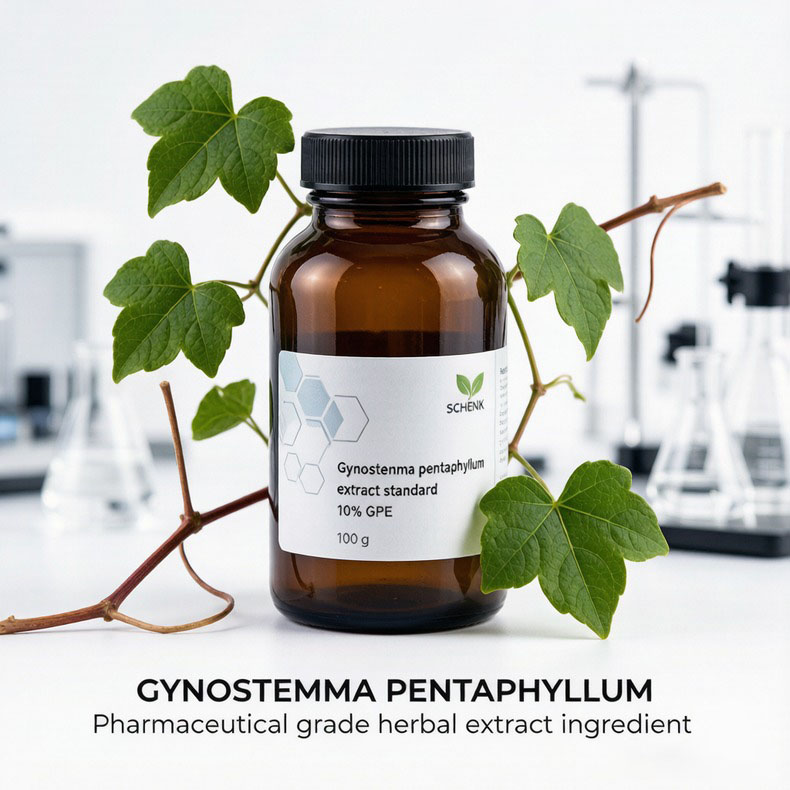
Gynostemma plant extract (also known as Jiaogulan extract) is derived from Gynostemma pentaphyllum, a climbing herb native to Asia. Rich in gypenosides — bioactive saponins structurally similar to ginsenosides — this extract has been widely used in dietary supplements, functional foods, herbal teas, and pharmaceutical formulations. It is recognized for its adaptogenic, antioxidant, anti-fatigue, and immune-modulating properties.
Product Specifications
| Parameter | Details |
| Product Name | Gynostemma Plant Extract |
| Botanical Source | Gynostemma pentaphyllum (Thunb.) Makino |
| CAS Number | 15588-68-8 |
| Active Constituents | Gypenosides (Total Saponins) |
| Specification | 20%, 40%, 50%, 80%, 98% Gypenosides (by UV/HPLC) |
| Appearance | Light yellow to yellowish-brown fine powder |
| Odor | Characteristic, slightly bitter |
| Solubility | Soluble in water, methanol, and ethanol |
| Molecular Formula | C62H106O29 (main gypenoside) |
| Molecular Weight | 1339.52 g/mol (main gypenoside) |
| Particle Size | 80 mesh (passing rate >=95%) |
| Loss on Drying | <=5.0% |
| Heavy Metals | <=10 ppm |
| Pesticide Residue | In compliance with USP/EP standards |
| Microbial Limits | Total Plate Count <=1000 cfu/g; Mold & Yeast <=100 cfu/g |
| Shelf Life | 24 months stored in cool, dry, dark conditions |
| Packaging | 1kg/bag (aluminum foil), 25kg/drum; custom packaging available |
| Storage | Store in a cool, dry place away from light and moisture |
| Certification | ISO9001, Kosher, Halal, FSSC22000 |
Bioactive Components — Gypenosides
Gypenosides are the primary active compounds in Gynostemma pentaphyllum extract. More than 180 gypenosides have been identified, of which approximately 4 are identical to panaxosides (ginsenosides) found in Panax ginseng. These include:
- Gypenoside XVII — anti-tumor, immunomodulation
- Gypenoside XLIX — cardiovascular protection
- Damulin A & B — AMPK activation, anti-obesity
- Gypentonoside A — antioxidant activity
Health Benefits
Confirmed Health Benefits
- Adaptogenic & Anti-stress: Modulates stress response, promotes homeostasis; classified as an adaptogen similar to ginseng.
- Antioxidant Activity: Scavenges free radicals, reduces oxidative stress markers (MDA), upregulates SOD and GPx enzymes.
- Cardiovascular Support: Lowers LDL cholesterol, reduces triglycerides, inhibits platelet aggregation.
- Anti-fatigue & Energy: Activates AMPK pathway; improves mitochondrial efficiency and physical endurance.
- Immune Modulation: Stimulates NK cell activity, macrophage phagocytosis, and cytokine production.
- Blood Sugar Management: Enhances insulin sensitivity; reduces fasting blood glucose in type 2 diabetes models.
- Anti-obesity: Damulin A/B activate AMPK, inhibiting adipogenesis and promoting lipolysis.
- Anti-inflammatory: Inhibits NF-kB pathway, reduces TNF-a, IL-1b, and IL-6 levels.
- Hepatoprotective: Protects liver cells from oxidative damage and alcohol-induced injury.
- Neuroprotective: Crosses blood-brain barrier; shows potential in neurodegenerative disease prevention.
Application Scenarios
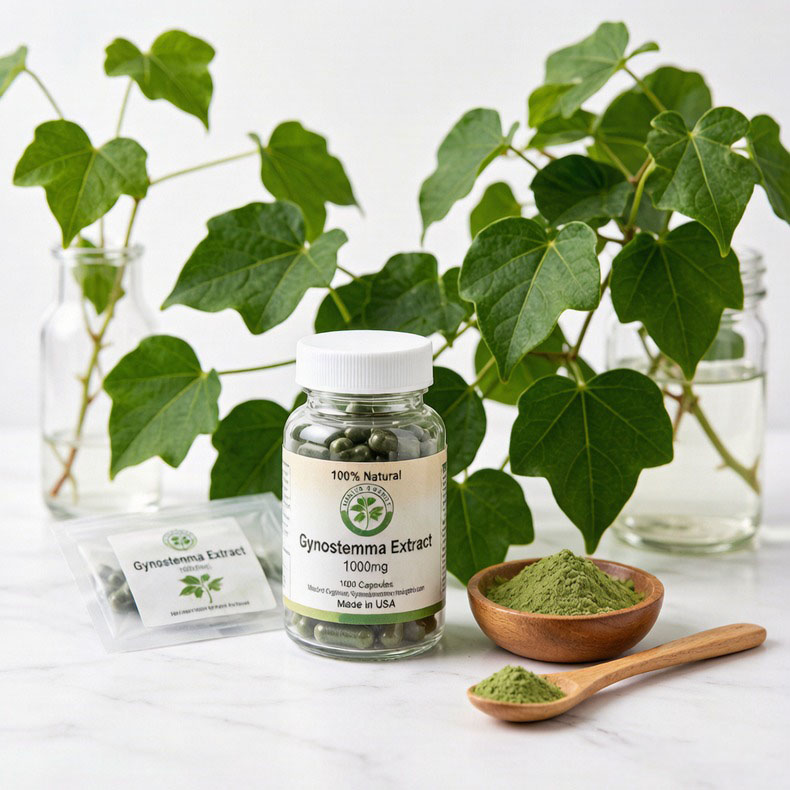
- Dietary Supplements: Capsules, tablets, softgels — anti-aging, immunity boost, energy enhancement
- Functional Foods: Protein bars, meal replacement powders, fortified beverages
- Herbal Tea & Beverages: Loose-leaf tea, teabags, RTD functional drinks
- Sports Nutrition: Pre-workout, endurance supplements, recovery formulas
- Pharmaceutical: Traditional and integrative medicine formulations, cardiovascular drugs
- Cosmetics: Anti-aging serums, skin-brightening formulations (antioxidant ingredient)
FAQ
1. What is Gynostemma plant extract?
Gynostemma plant extract is a concentrated natural ingredient derived from the leaves and stems of Gynostemma pentaphyllum, a traditional herb. It is rich in gypenosides, flavonoids and other active compounds, widely used in health products, beverages and cosmetics.
2. What are the main active ingredients in this extract?
The core active substances are gypenosides, along with flavonoids, amino acids and vitamins. Gypenosides are the key functional components that bring most health benefits of gynostemma.
3. What are the common applications of Gynostemma plant extract?
It is mainly applied in dietary supplements, functional drinks, herbal teas and skincare products. It can also be added to food as a natural nutritional additive.
4. What are the typical benefits of consuming Gynostemma plant extract?
It is traditionally known for supporting metabolic health, relieving mild fatigue and helping maintain overall physical wellness. It is also popular for daily body conditioning.
5. Is Gynostemma plant extract safe for daily use?
Generally, it is safe for most adults when taken in recommended doses. Pregnant women, breastfeeding women and people with chronic illnesses are advised to consult a doctor before use.
6. How should Gynostemma plant extract be stored properly?
Store it in a cool, dry and dark place, away from direct sunlight and high temperature. Keep the container tightly sealed to avoid moisture and extend its shelf life.