Phosphatidylserine (PS) CAS 51446-62-9 | Cognitive Health & Memory Supplement Ingredient
Product Introduction
Phosphatidylserine (PS) is an essential phospholipid naturally present in cell membranes, with the highest concentration found in brain neurons. It plays a critical role in maintaining cell membrane fluidity, facilitating neurotransmitter release (acetylcholine, dopamine, serotonin), and supporting neuronal signal transduction. Although PS is found in small amounts in foods such as soy lecithin, fish, and organ meats, supplemental PS is required to achieve clinically effective levels.
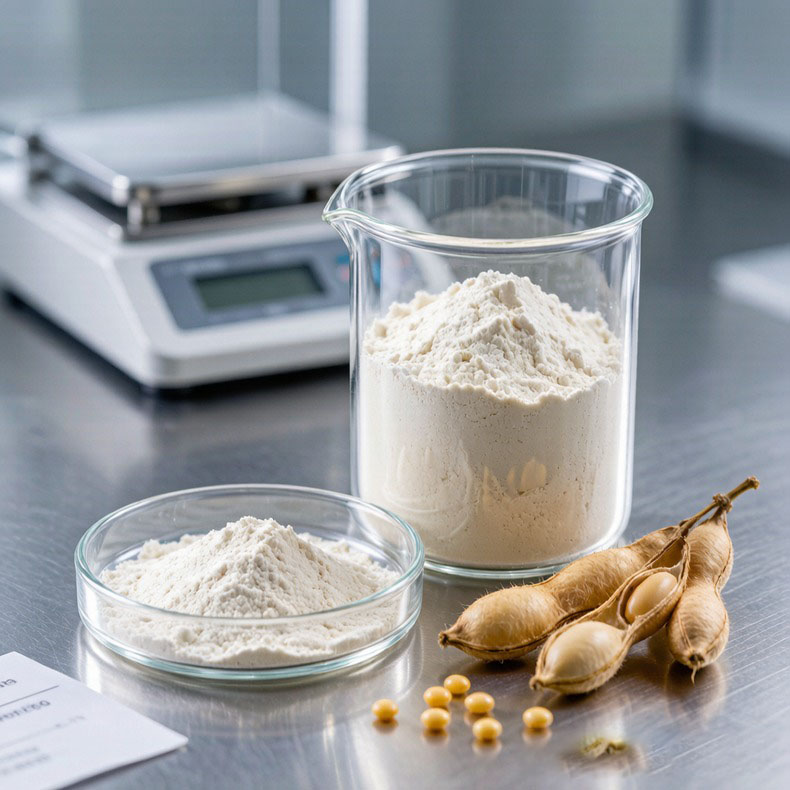
Commercially, PS is produced via enzymatic conversion of soy lecithin using phospholipase D — making it a plant-derived, non-GMO, vegetarian-friendly ingredient suitable for global markets. Xi’an Taima Biological Co., Ltd. supplies PS at ≥20%, ≥50%, and ≥70% standardization levels, compliant with FSMA, EU Regulation 432/2012 health claims, and FDA GRAS (GRN 521).
Product Identification
| Parameter | Details |
| CAS Number | 51446-62-9 |
| INCI Name | Phosphatidylserine |
| Common Names | PS, Ptd-L-Ser, Soy Phosphatidylserine |
| Molecular Formula | Variable (phospholipid mixture; PS head group: C₆H₁₂NO₈P) |
| Molecular Weight | ~860 g/mol (dipalmitoyl PS reference; natural form is a mixture) |
| Source Material | Non-GMO Soybean Lecithin (enzymatic conversion) |
| Production Method | Phospholipase D enzymatic transphosphatidylation |
| Physical Form | Off-white to light yellow powder or granule |
| Odor | Slight characteristic phospholipid odor |
| Solubility | Dispersible in water; soluble in chloroform, ethanol |
| Storage | Cool, dry place; 2–8°C refrigeration preferred; protect from light and moisture |
| Shelf Life | 24 months in original sealed packaging |
| HS Code | 2923.20 |
| EINECS | N/A (complex natural substance) |
| Dietary Status | Vegetarian, Vegan, Non-GMO |
Applications
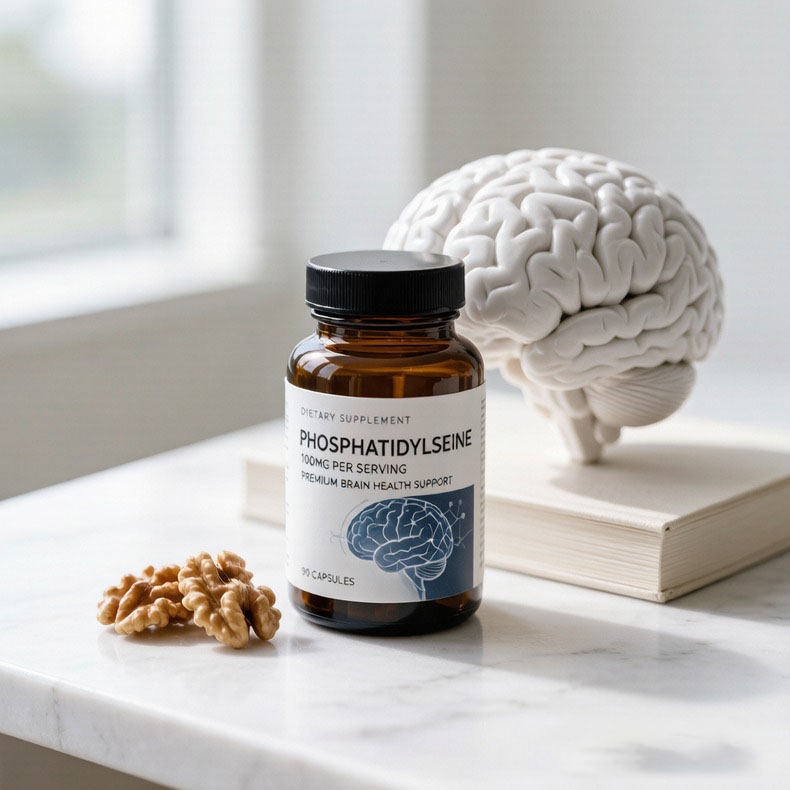
Dietary Supplements & Nootropics
- Memory and cognitive function capsules/softgels
- Nootropic stack formulations (with Bacopa, Lion’s Mane, Ginkgo)
- ADHD-support focus supplements
- Brain health and neuroprotection formulas
- Anti-aging cognitive wellness supplements
- Mood and mental clarity blends
- Adaptogen and stress-relief complexes
Sports Nutrition
- Pre-workout mental focus and clarity supplements
- Post-workout cortisol management recovery products
- Endurance athlete stress adaptation supplements
- Protein powder fortification with PS
- Anti-overtraining and HPA-axis support products
- Energy drink and functional beverage additions
FAQ
Q1: What is phosphatidylserine and why is it important for brain health?
Phosphatidylserine (PS) is a phospholipid that constitutes approximately 15% of the total phospholipid content in the human brain. It is a structural component of neuronal cell membranes, where it facilitates neurotransmitter release, maintains membrane fluidity and permeability, and supports the function of membrane-bound enzymes and receptors. PS is particularly concentrated in the inner leaflet of neuronal membranes and is essential for normal synaptic transmission, glucose metabolism in the brain, and nerve growth factor (NGF) responsiveness.
Q2: Does phosphatidylserine have an FDA-approved health claim?
Yes. In 2003, the FDA authorized a Qualified Health Claim for PS: “Consumption of phosphatidylserine may reduce the risk of dementia in the elderly” and “Consumption of phosphatidylserine may reduce the risk of cognitive dysfunction in the elderly.” In 2015, FDA granted GRAS status (GRN 521) for soy-derived PS in food applications. In the EU, PS holds an authorized health claim under Regulation 432/2012 for maintaining normal brain function.
Q3: Is your phosphatidylserine derived from soy or sunflower, and is it safe for soy-allergic individuals?
Our standard PS is derived from non-GMO soy lecithin via enzymatic transphosphatidylation. The process removes most soy proteins, but trace amounts may remain, so it may not be suitable for individuals with severe soy allergy. For customers requiring soy-free PS, we can source sunflower lecithin-derived PS — please contact us to discuss specifications and MOQ for this option.
Q4: What is the difference between PS-20%, PS-50%, and PS-70%?
The percentage refers to the phosphatidylserine content by weight:
• PS-20%: Standard-grade, economical, suitable for entry-level cognitive supplements and functional foods
• PS-50%: Mid-grade, balanced cost-to-potency ratio, suitable for general supplement formulations
• PS-70%: High-grade, pharmaceutical quality, minimum dose achievable, preferred for medical foods and premium nootropics
All grades are verified by HPLC and include a full Certificate of Analysis.
Q5: How does phosphatidylserine help reduce cortisol in athletes?
PS exerts a blunting effect on the HPA (hypothalamic-pituitary-adrenal) axis response to both physical and psychological stressors. Clinical studies demonstrate that 600–800 mg PS/day significantly reduces exercise-induced cortisol and ACTH secretion, thereby preventing the catabolic effects of excessive cortisol on muscle tissue and improving the testosterone:cortisol ratio. This makes PS the leading evidence-based anti-catabolic phospholipid for sports nutrition.
Q6: Can phosphatidylserine be combined with other nootropics?
Yes. PS demonstrates synergistic effects with several other cognitive ingredients:
• DHA/EPA (Omega-3): PS and DHA share a structural and functional relationship in neuronal membranes; combination improves ADHD outcomes and general cognition
• Alpha-GPC / CDP-Choline: Complementary acetylcholine support
• Ginkgo Biloba: Synergistic vascular and cognitive support (European studies)
• Bacopa Monnieri: Complementary memory consolidation mechanisms
• Lion’s Mane: BDNF and NGF synergy for neuroprotection