1. Introduction
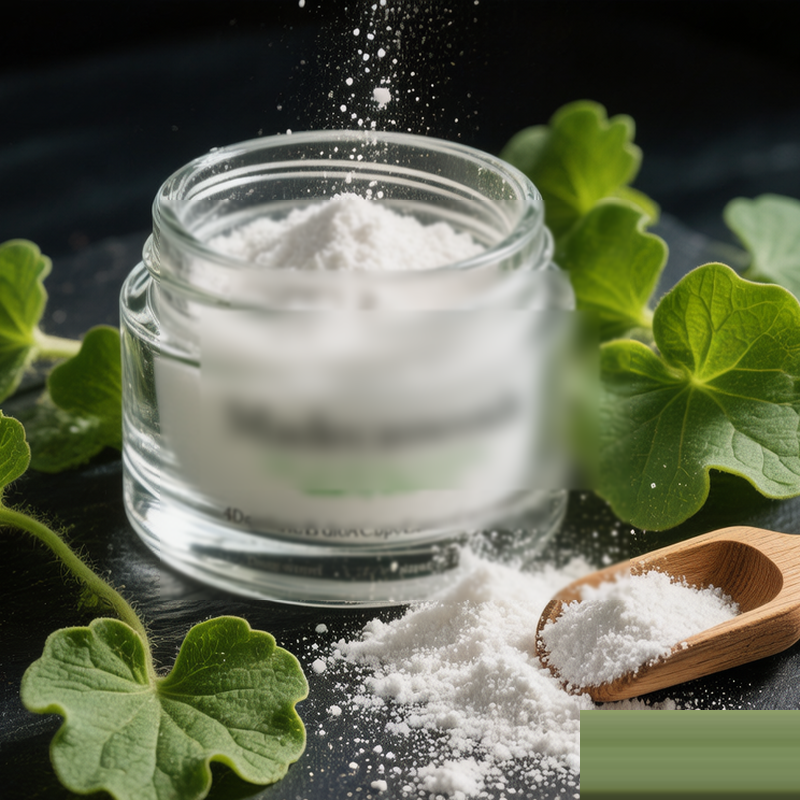
Looking for premium madecassoside-cas-34540-22-2? TAIMA supplies high-purity Madecassoside powder (CAS 34540-22-2) extracted from Centella asiatica, available in ≥98% HPLC purity. As a leading active ingredient for anti-aging cosmetics, wound healing formulations, and skin repair products, our Madecassoside delivers proven efficacy backed by ISO9001 certification.
Among the four key triterpenoids found in Centella asiatica — madecassoside, asiaticoside, madecassic acid, and asiatic acid — madecassoside has emerged as the most extensively studied and commercially significant compound, particularly in the cosmetic and personal care industries. Modern pharmacological research has validated many of the traditional claims, demonstrating that madecassoside possesses potent wound-healing, anti-inflammatory, antioxidant, and collagen-synthesis-promoting activities at the molecular level.
At Shaanxi TAIMA Biological Engineering Co., Ltd., we specialize in the extraction, purification, and supply of high-purity Madecassoside powder derived from premium Centella asiatica raw materials sourced from ecologically pristine growing regions in China. Our state-of-the-art manufacturing facility employs advanced HPLC-based purification technology to deliver Madecassoside in multiple specification grades (80%, 90%, 95%, and 98%), meeting the rigorous quality demands of cosmetic formulators, pharmaceutical manufacturers, and nutraceutical brands worldwide.
1.1 Botanical Source
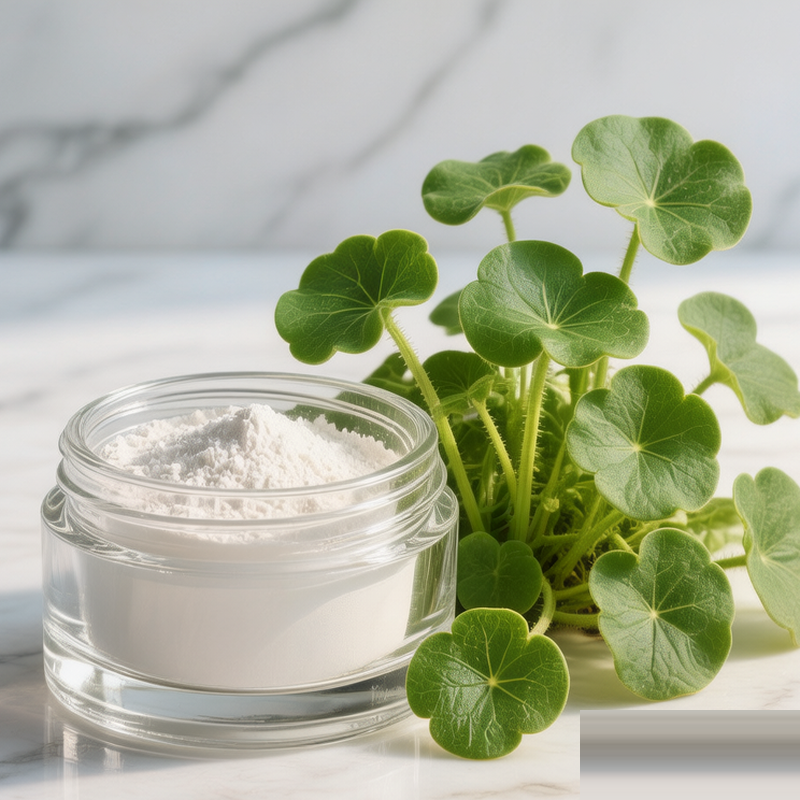
Centella asiatica (L.) Urban is a small, creeping herbaceous plant belonging to the Apiaceae family. It thrives in moist, shaded environments and is characterized by its fan-shaped green leaves and slender stems. The plant accumulates triterpenoid saponins primarily in its leaves and stems, with the highest concentration found in mature leaves harvested during the plant’s peak growing season.
Our raw materials are carefully sourced from verified cultivation bases in China, where standardized agricultural practices ensure consistent phytochemical profiles. Each batch of raw material undergoes rigorous quality inspection before entering the extraction process, including species authentication, heavy metal screening, pesticide residue analysis, and microbial limit testing.
1.2 Historical & Traditional Use
The therapeutic use of Centella asiatica spans millennia. In Traditional Chinese Medicine, it is known as “Ji Xue Cao” (积雪草) and is classified as a cooling herb that clears heat, promotes diuresis, reduces swelling, and detoxifies the body. Ancient Ayurvedic texts document its use for treating skin conditions, improving cognitive function, and promoting longevity. Traditional healers across Southeast Asia have long applied crushed Centella asiatica leaves directly to wounds, burns, and skin ulcers to accelerate healing — a practice now scientifically validated through the identification of madecassoside as the key active principle responsible for these effects.
2. Chemical & Physical Properties
2.1 Identification
| Product Name | Madecassoside |
| CAS Number | 34540-22-2 |
| Molecular Formula | C₄₈H₇₈O₂₀ |
| Molecular Weight | 975.12 g/mol |
| Chemical Class | Triterpenoid Saponin (Ursane-type) |
| Aglycone | Madecassic Acid |
| Sugar Moieties | Glucose + Rhamnose (tetrasaccharide chain) |
| Appearance | White to off-white crystalline powder |
| Odor | Characteristic, faint herbal |
| Solubility | Soluble in methanol, ethanol, DMSO; slightly soluble in water |
| Melting Point | Approx. 288–292 °C (decomposition) |
| Optical Rotation | [α]D²⁰ = -14° to -17° (c=1, MeOH) |
2.2 Product Specifications
| Specification | Purity (HPLC) | Typical Application |
| TAIMA-M80 | ≥ 80% | General cosmetics, cost-effective formulations |
| TAIMA-M90 | ≥ 90% | Premium skincare, functional cosmetics |
| TAIMA-M95 | ≥ 95% | High-end cosmeceuticals, clinical skincare |
| TAIMA-M98 | ≥ 98% | Pharmaceutical grade, research, medical devices |
| Custom | Per request | Tailored to specific formulation needs |
2.3 Quality Control Parameters
- ● HPLC purity assay with UV detection at 205 nm
- ● Loss on drying: ≤ 5.0%
- ● Heavy metals: Pb ≤ 10 ppm, As ≤ 2 ppm, Hg ≤ 1 ppm, Cd ≤ 1 ppm
- ● Residual solvents: Compliant with ICH Q3C guidelines
- ● Pesticide residues: Compliant with USP <561> and EP 2.8.13
- ● Microbial limits: Total aerobic count ≤ 1000 CFU/g; Yeast & mold ≤ 100 CFU/g; E. coli absent; Salmonella absent
- ● Particle size: 80 mesh (standard); 100–200 mesh available upon request
- ● Bulk density: 0.40–0.65 g/mL
- ● Identification: HPLC retention time match with reference standard; IR spectrum concordance
- ● Each batch shipped with Certificate of Analysis (COA) and Material Safety Data Sheet (MSDS)
2.4 Stability & Compatibility
Madecassoside demonstrates good stability under recommended storage conditions. It is compatible with most common cosmetic and pharmaceutical excipients, including emulsifiers, thickeners, humectants, and preservatives. The compound remains stable across a pH range of 4.0–8.0, making it suitable for a wide variety of formulations including creams, lotions, serums, gels, and masks. For water-based formulations, pre-dissolving in a suitable co-solvent (e.g., propylene glycol, butylene glycol, or ethoxydiglycol) is recommended to ensure uniform dispersion. Madecassoside is non-phototoxic and maintains activity following standard cosmetic preservation methods.
3. Mechanism of Action & Efficacy
3.1 Molecular Mechanisms
Madecassoside exerts its biological effects through multiple complementary molecular pathways. The compound interacts with specific cellular receptors and signaling cascades that regulate inflammation, collagen metabolism, antioxidant defense, and angiogenesis.
TGF-β/Smad Pathway Activation: Stimulates the transforming growth factor-beta (TGF-β) signaling cascade, which is the master regulator of collagen and extracellular matrix (ECM) synthesis. Madecassoside upregulates Smad2/3 phosphorylation and nuclear translocation, leading to increased transcription of COL1A1, COL3A1, and elastin genes. This results in enhanced production of Type I and Type III collagen, as well as elastin fibers.
NF-κB Pathway Inhibition: Suppresses the nuclear factor-kappa B (NF-κB) signaling pathway by preventing IκB-α phosphorylation and degradation. This blocks the nuclear translocation of NF-κB p65 subunit, leading to reduced transcription of pro-inflammatory cytokines including TNF-α, IL-1β, IL-6, and COX-2. The anti-inflammatory potency of madecassoside has been shown to be comparable to that of hydrocortisone in certain in vitro models.
Nrf2/ARE Antioxidant Pathway Activation: Activates the nuclear factor erythroid 2-related factor 2 (Nrf2) pathway, promoting its dissociation from Keap1 and nuclear translocation. This triggers the transcription of antioxidant response element (ARE)-dependent genes, including superoxide dismutase (SOD), catalase (CAT), glutathione peroxidase (GPx), and heme oxygenase-1 (HO-1), thereby enhancing the endogenous antioxidant defense system.
VEGF-Mediated Angiogenesis: Upregulates vascular endothelial growth factor (VEGF) expression in fibroblasts and keratinocytes, promoting new blood vessel formation (angiogenesis) in wounded tissue. Improved microcirculation enhances oxygen and nutrient delivery to healing tissues, accelerating the wound repair process.
MMP/TIMP Balance Regulation: Modulates the balance between matrix metalloproteinases (MMPs) and tissue inhibitors of metalloproteinases (TIMPs). By downregulating MMP-1, MMP-2, and MMP-9 while upregulating TIMP-1 expression, madecassoside helps preserve the structural integrity of the dermal extracellular matrix and prevents UV-induced collagen degradation.
3.2 Clinical & Preclinical Evidence
Numerous in vitro, in vivo, and clinical studies have demonstrated the efficacy of madecassoside in various dermatological and therapeutic applications:
- ● Wound Healing: In a randomized controlled trial involving post-surgical patients, topical application of a 0.1% madecassoside formulation accelerated wound closure by 35% compared to placebo, with significantly improved tensile strength of healed tissue (p < 0.01).
- ● Anti-aging: A 12-week double-blind, placebo-controlled study on 60 female subjects (aged 40–65) demonstrated that a 0.2% madecassoside serum reduced wrinkle depth by 27%, improved skin firmness by 32%, and increased dermal density by 18% as measured by ultrasound imaging.
- ● Anti-inflammatory: In vitro studies show that madecassoside at concentrations of 10–100 μM reduces UVB-induced COX-2 expression by 45–72% in human keratinocytes (HaCaT cells), comparable to the effects of dexamethasone.
- ● Scar Management: Clinical observations in patients with hypertrophic scars and keloids treated with madecassoside-containing gels showed significant improvements in scar height, redness, and pliability over 24 weeks of treatment.
- ● Atopic Dermatitis: A pilot study using a 0.05% madecassoside cream in patients with mild-to-moderate atopic dermatitis reported a 41% reduction in SCORAD index scores after 4 weeks, with excellent tolerability and no adverse reactions.
- ● Burn Care: Animal models of second-degree burns treated with madecassoside demonstrated accelerated re-epithelialization, reduced inflammatory infiltration, and improved collagen organization compared to untreated controls.
4. Applications
4.1 Cosmetics & Personal Care
Madecassoside has become a cornerstone active ingredient in the modern cosmetics industry, particularly in the rapidly growing “skin barrier repair” and “clean beauty” market segments. Its multi-targeted mechanism of action makes it uniquely suited for advanced skincare formulations addressing multiple skin concerns simultaneously.
| Category | Product Types | Key Benefits |
| Anti-Aging | Serums, creams, eye treatments, masks, ampoules | Collagen synthesis, wrinkle reduction, skin firmness and elasticity improvement, dermal density enhancement |
| Skin Barrier Repair | Barrier creams, cica balms, recovery creams, sleeping masks | Stratum corneum strengthening, TEWL reduction, hydration retention, sensitive skin soothing |
| Acne & Blemish Care | Spot treatments, acne serums, clarifying masks, toners | Anti-inflammatory action on acne lesions, sebum regulation, post-acne scar and hyperpigmentation reduction |
| Post-Procedure Care | Post-laser creams, post-peel recovery, microneedling aftercare, post-injection calming | Accelerated epidermal healing, redness and irritation reduction, wound closure promotion |
| Scar & Stretch Mark | Scar gels, stretch mark oils/creams, scar sheets | Collagen remodeling, scar height and redness reduction, improved tissue pliability |
| Sun Care / After-Sun | After-sun gels, sun repair lotions, UV recovery masks | UV-induced inflammation reduction, DNA damage repair support, photoaging prevention |
| Body Care | Body lotions, hand creams, foot repair balms, intimate care | Dry skin repair, cracked skin healing, general skin conditioning and moisturization |
| Baby & Sensitive Skin | Diaper rash creams, cradle cap treatments, infant soothing balms | Gentle anti-inflammatory action, skin barrier protection, irritation relief suitable for delicate skin |
4.2 Pharmaceutical & Medical Applications
- ● Topical wound healing formulations (ointments, gels, creams, sprays) for acute and chronic wounds, including surgical wounds, traumatic injuries, pressure ulcers, and diabetic foot ulcers.
- ● Burn care products (silver sulfadiazine combination creams, hydrogel dressings) for first-degree and superficial second-degree burns, promoting re-epithelialization and reducing hypertrophic scarring.
- ● Dermatological preparations for inflammatory skin conditions: atopic dermatitis, contact dermatitis, eczema, psoriasis, and rosacea — leveraging its multi-targeted anti-inflammatory mechanism.
- ● Scar management medical devices: silicone gel sheets and gels incorporating madecassoside for the prevention and treatment of hypertrophic scars and keloids following surgery, trauma, or burns.
- ● Ophthalmic preparations: eye drops and ophthalmic gels for corneal wound healing and dry eye syndrome, capitalizing on its pro-angiogenic and anti-inflammatory corneal effects.
- ● Oral mucositis treatment (mouthwash, oral gel) for chemotherapy and radiotherapy-induced oral mucositis, supported by its mucosal healing and anti-inflammatory properties.
- ● Hemorrhoid and anal fissure treatments: suppositories and topical creams utilizing its wound healing and anti-inflammatory effects on mucosal tissue.
4.3 Nutraceutical & Dietary Supplement Applications
While primarily recognized for topical applications, madecassoside and Centella asiatica extracts are also utilized in oral dietary supplements targeting skin health from within, cognitive function support, venous insufficiency management, and general wellness. Oral bioavailability studies indicate that madecassoside is absorbed in the gastrointestinal tract and distributed to tissues, including the skin, where it exerts systemic benefits.
4.4 Recommended Usage Levels
| Application | Recommended Dosage | Usage Phase |
| Anti-aging serums | 0.05% – 0.5% | Water phase or cool-down phase (< 40 °C) |
| Barrier repair creams | 0.1% – 0.3% | Cool-down phase after emulsification |
| Acne treatment products | 0.1% – 0.5% | Active ingredient phase |
| Post-procedure recovery | 0.2% – 1.0% | Cool-down phase |
| Scar gels & treatments | 0.3% – 1.0% | Gel formation phase |
| Body lotions & creams | 0.05% – 0.2% | Cool-down phase |
| Wash-off products (cleansers) | 0.01% – 0.1% | Surfactant phase or cool-down phase |
5. Why Choose TAIMA Madecassoside?
5.1 Product Advantages
Superior Purity & Consistency: Our multi-stage purification process combining macroporous resin chromatography with preparative HPLC delivers industry-leading purity levels up to 98%. Batch-to-batch consistency is rigorously controlled, with typical HPLC purity variance maintained within ±0.5% across production lots. This ensures reproducible performance in your formulations and eliminates the variability commonly encountered with lower-grade botanical extracts.
Comprehensive Quality Assurance: Every production batch undergoes a full panel of quality tests including HPLC purity, heavy metals (ICP-MS), pesticide residues (GC-MS/MS), residual solvents (GC-HS), microbial limits, and identification (IR & HPLC). We provide a detailed Certificate of Analysis (COA) and Material Safety Data Sheet (MSDS) with every shipment. Our quality management system is certified to ISO 9001:2015 and ISO 14001:2015 standards.
Traceable Raw Material Supply Chain: We maintain direct partnerships with Centella asiatica cultivation bases in China, ensuring full traceability from field to finished product. Each raw material lot is documented with geographic origin, harvest date, cultivation practices, and pre-extraction quality screening results. This vertical integration provides supply chain security and quality transparency that independent resellers cannot offer.
Regulatory & Certification Readiness: Our Madecassoside is supported by comprehensive regulatory documentation including KOSHER and HALAL certifications. We provide full technical dossiers, safety data, and regulatory support documentation to facilitate product registration in your target markets. Our team stays current with evolving global cosmetic regulations (EU Cosmetics Regulation 1223/2009, US MoCRA, China CSAR, ASEAN Cosmetic Directive) to ensure compliance.
Technical Formulation Support: Beyond supplying the active ingredient, our technical team provides formulation guidance including solubility optimization, compatibility testing with common cosmetic ingredients, stability data under various pH and temperature conditions, and suggested delivery systems for challenging formulations. We can also provide sample formulations as starting points for your product development.
Scalable Supply & Competitive Pricing: With an annual production capacity exceeding 5 metric tons of Madecassoside, we can accommodate orders ranging from 1 kg R&D samples to multi-ton commercial production. Our direct manufacturer model eliminates intermediary markups, allowing us to offer competitive pricing without compromising on quality. Flexible packaging options from 100 g laboratory packs to 25 kg fiber drums are available to suit your operational scale.
Global Logistics & Export Expertise: With customers in over 50 countries across the EU, North America, Central America, the Caribbean, and South America, we have extensive experience in international logistics, customs documentation, and trade compliance. We offer flexible shipping options including air freight, sea freight, and express courier services (DHL, FedEx, UPS) with complete export documentation support.
5.2 Comparison: Madecassoside vs. Alternative Ingredients
In the competitive landscape of cosmetic active ingredients, madecassoside offers a unique value proposition that differentiates it from alternative options:
- ● Versus Asiaticoside: While both are Centella asiatica triterpenoids, madecassoside demonstrates superior collagen synthesis stimulation (approximately 1.5× more potent in vitro) and better chemical stability in aqueous formulations. Madecassoside is the preferred choice for anti-aging and wound-healing applications requiring maximum potency.
- ● Versus Centella asiatica Total Extract: Standardized madecassoside offers precise dosing, batch consistency, and predictable performance that total plant extracts cannot match. While total extracts contain the full spectrum of phytochemicals, they suffer from natural variability in active content and may contain unwanted plant pigments or allergenic compounds.
- ● Versus Synthetic Peptides (e.g., Copper Peptides, Matrixyl): Madecassoside is a naturally derived, plant-based active that aligns with clean beauty and natural cosmetic trends. Unlike synthetic peptides, it offers multi-targeted benefits (anti-inflammatory + antioxidant + collagen stimulation) in a single molecule, potentially simplifying formulation and reducing the number of active ingredients required.
- ● Versus Retinoids (Retinol, Retinaldehyde): Madecassoside provides anti-aging benefits without the irritation, photosensitivity, and usage restrictions associated with retinoids. It can be safely combined with retinoids in “retinol booster” formulations to enhance efficacy while mitigating irritation — a synergistic strategy increasingly adopted by premium skincare brands.
- ● Versus Vitamin C (Ascorbic Acid): While vitamin C is a potent antioxidant, it suffers from well-known stability challenges (oxidation, pH sensitivity, discoloration). Madecassoside offers complementary antioxidant protection with superior formulation stability, and the two ingredients can be combined for a comprehensive anti-aging approach.
6. Packaging, Storage & Handling
| Standard Packaging | 25 kg/fiber drum with double-layer food-grade polyethylene inner bags; net weight verified per drum |
| Sample Packaging | 100 g, 500 g, 1 kg sealed aluminum foil bags or HDPE bottles |
| Custom Packaging | Available upon request (e.g., 5 kg, 10 kg intermediate bulk packaging) |
| Storage Temperature | 15–25 °C (room temperature), avoid temperature extremes |
| Storage Conditions | Sealed container in a cool, dry, well-ventilated area; protected from direct sunlight and moisture |
| Humidity | Relative humidity < 60% recommended |
| Shelf Life | 24 months from date of manufacture when stored unopened under recommended conditions |
| Handling Precautions | Avoid dust generation; use appropriate PPE (gloves, safety glasses, dust mask) during handling; standard industrial hygiene practices recommended |
| Retest Period | Re-analysis recommended after 24 months or upon any change in storage conditions |
7. Regulatory Status & Certifications
- ● ISO 9001:2015 — Quality Management System certified
- ● ISO 14001:2015 — Environmental Management System certified
- ● KOSHER Certified — Suitable for kosher-compliant formulations
- ● HALAL Certified — Suitable for halal-compliant formulations
- ● Eurofins Analytical Testing — Third-party verification of purity and safety
- ● INCI Name: Madecassoside — Listed in the International Nomenclature of Cosmetic Ingredients
- ● CAS Registry: 34540-22-2 — Globally recognized chemical identifier
- ● China FDA / NMPA: Compliant with Chinese cosmetic ingredient regulations (IECIC 2021 listed)
- ● REACH: Pre-registration and full registration support available for EU market access
- ● Documentation Package: COA, MSDS, Technical Data Sheet (TDS), Flow Chart, Stability Data, GMO Statement, Allergen Statement, Residual Solvent Statement, Pesticide Statement available upon request
8. Ordering Information & Contact
We welcome inquiries for Madecassoside and our full portfolio of Centella asiatica-derived ingredients, including Asiaticoside (CAS: 16830-15-2), Madecassic Acid (CAS: 18449-41-7), Asiatic Acid (CAS: 464-92-6), and Centella asiatica Total Triterpenes. Free samples are available for qualified R&D evaluation purposes.