Herbal blend containing two plant extracts shown to protect the pancreas of diabetic patients


Diabetes is not a sweet problem to have – a fact that nearly 30 million Americans know all too well. While there are a number of available methods for controlling the condition, its effects, and the risk of its complications, most of these involve the intake of risky chemical drugs. A natural herbal blend made from vitexin and mistletoe figs could be a viable alternative, as concluded by research published in the journal BMC Complementary and Alternative Medicine.

Diabetes mellitus (DM), more popularly known as just diabetes, is one of the top causes of death worldwide. It’s not the disease that kills per se, but the complications that stem from it that do. Diabetes is closely linked to higher risks of cardiovascular disease, kidney impairments, blindness, and other forms of organ damage.

Aside from strict diet regimens and exercise, DM is also controlled through the use of chemical drugs that are not at all free from side effects. These can range from mild symptoms, such as diarrhea, fatigue, bloating, and weight gain, to outright life-threatening outcomes, such as liver damage, increased risk of anemia, and rapid drops in blood sugar.

For some people, it’s only a matter of learning to take the bad with the good. After all, what are a few symptoms when at the end of the day, one can enjoy the perks of stable blood sugar levels? However, even scientists agree that chemical drugs cannot sufficiently keep blood sugar fluctuations, a common problem among diabetics, under control.

An alternative treatment that has little to none of the adverse effects of chemical medications, one that even people with sensitive constitutions can benefit from, is thus the goal of many hours spent on research. Scientists are looking to nature for possible leads.

100% organic essential oil sets now available for your home and personal care, including Rosemary, Oregano, Eucalyptus, Tea Tree, Clary Sage and more, all 100% organic and laboratory tested for safety. A multitude of uses, from stress reduction to topical first aid. See the complete listing here, and help support this news site.

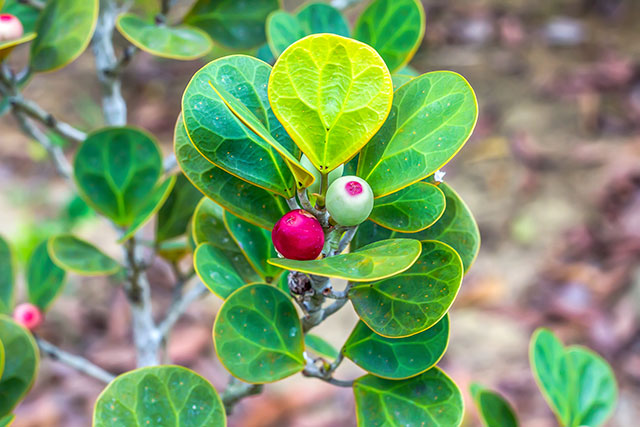
The combination of vitexin and isovitexin, a compound found in the leaves of ornamental mistletoe figs (Ficus deltoidea), has been the subject of much interest because of their antioxidant and anti-diabetic properties observed in animal models.

The study published in BMC Complementary and Alternative Medicine sought to identify the effects of this combination on the histology, insulin secretion, and oxidative status of diabetic rats, factors that previous studies have not examined in depth. In particular, the researchers wanted to understand how F. deltoidea and vitexin protected pancreatic β-cells, the same cells that are responsible for the production and release of insulin.

During the study, the researchers gathered 30 four-week-old Sprague Dawley. They measured the animals’ weight and blood glucose levels. Within a week, they raised the animals’ blood glucose levels to diabetic range through injection of STZ.

The rats were given F. deltoidea and vitexin for eight weeks. After this period, their glucose and insulin tolerances were determined using an intraperitoneal glucose tolerance test (IPGTT) and intraperitoneal insulin tolerance test (IPITT), respectively. The researchers also looked into the animals’ insulin resistance, pancreatic histological changes, and fatty acid composition pattern. The infrared spectra of both the rats’ serum and pancreas were also noted.

Results indicated that both F. deltoidea and vitexin led to an increase in antioxidant enzymes in the pancreas. The herbal combination also promoted the regeneration of the islets of Langerhans, the areas that house the pancreas’ endocrine cells. Interestingly, the researchers observed a great increase in insulin secretion only in rats that were treated with F. deltoidea.

For the researchers, the results of their study assert the role of both F. deltoidea and vitexin in pancreatic function, repair, and protection from oxidative damage. They believe that these effects point to these two herb’s therapeutic potential for treating DM.

Food Additives a Toxic Mix for Kids

A growing mound of scientific evidence has linked these chemicals to changes in children’s hormone systems, which can alter their normal development and increase their risk of childhood obesity, the new American Academy of Pediatrics (AAP) policy statement argues.

These chemicals affect the health of all humans, but can have a particularly strong effect in children, said lead author Dr. Leonardo Trasande, an environmental health researcher with New York University’s School of Medicine.

“Pound for pound, they eat more food, so they have higher levels of exposure compared to us adults,” Trasande explained. “Their organs are still developing in various ways, such that effects on that development can be permanent and lifelong.”

The chemical culprits

Some chemicals that affect food safety include:

Bisphenols like BPA, which are used in plastics and the lining of metal cans. They can act like estrogen in the body, affecting onset of puberty, decreasing fertility, increasing body fat and affecting the nervous and immune systems.
Phthalates, which are found in plastics and vinyl tubes used in industrial food production. These chemicals can affect male genital development, increase childhood obesity and contribute to heart disease.
Perfluoroalkyl chemicals (PFCs), used in grease-proof paper food packaging. They might reduce immunity, birth weight and fertility, and can affect the thyroid system.
Percholate, which is added to dry food packaging to control static electricity. It also is known to disrupt thyroid function and can affect early brain development.
Artificial food colors, which have been associated with worsened attention deficit hyperactivity disorder (ADHD) symptoms.
Nitrates and nitrites, which are used to preserve food and enhance color, particularly in cured and processed meats. These chemicals can interfere with thyroid hormone production, and have been linked with gastrointestinal and nervous system cancers.
“This is a critically important report about environmental risks that have received less attention than they deserve, whether by the pediatric community or regulators,” said Dr. Michael Grosso, chair of pediatrics and chief medical officer at Huntington Hospital in Huntington, N.Y.

“There is now a compelling body of evidence that the environmental chemicals that go into food processing and food containers may have significant effects on human health, including fertility, thyroid disease, certain cancers and much more,” Grosso said. “Of concern is that some of these remain in the body for years.”

Kristi King, senior dietitian with Texas Children’s Hospital in Houston, said she has “heightened concerns regarding those additives that are thyroid disrupters.”

“PFCs can alter thyroid function and metabolic changes. Perchlorate, nitrates and nitrites disrupt thyroid hormone production and inhibit iodine uptake in the body,” King explained.

“Iodine is extremely important in promoting growth and metabolism in children. Iodine is also essential for early brain and neurological development. Having an iodine deficiency could ultimately lead to poor growth and delayed [thinking] ability,” she said.

Tighter regulation needed

The policy statement calls on politicians and bureaucrats to tighten regulations related to food additives. These measures include a more rigorous and transparent “Generally Recognized as Safe” designation process, including new requirements for toxicity testing before use in the marketplace and retesting previously approved chemicals.

And Trasande argued that citizens can have an even greater impact in this area than elected officials.

“The general public can do a lot to drive the kinds of changes that are positive for children’s lives and human health,” Trasande said. “The ban on BPA from baby bottles and sippy cups was not driven by some scientific statement or some regulatory good feeling. It was driven by consumer outcry. The same could be said for phthalates in toys.”

What parents can do

The AAP policy statement said parents can limit their children’s exposure to these chemicals by:

Choosing fresh or frozen fruits and vegetables over canned.
Avoiding processed meats, particularly during pregnancy.
Not microwaving plastic containers of food, or placing plastics in the dishwasher.

Baby poo reveals that even light drinking during pregnancy affects IQ


Light drinking during pregnancy may affect babies’ brain development, according to a study that looked for signs of alcohol exposure in newborns’ faeces.

Although it’s well-established that heavy drinking during pregnancy is linked to intellectual disabilities and altered facial features in children, less is known about the effects of light drinking.

Studying this has been difficult, since mothers are often reluctant to admit any level of drinking during pregnancy due to the associated stigma, says Anna Eichler at the University Hospital Erlangen in Germany.

To get around this, Eichler and her colleagues looked for …

A medicinal plant used in Mexican folk remedy shows great potential as an alternative cancer treatment

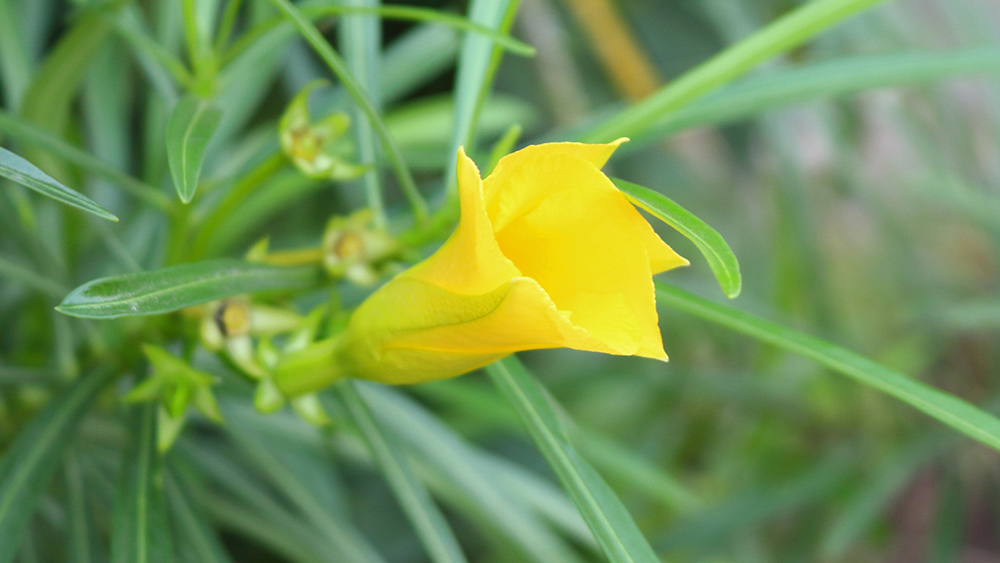
Yellow oleander has been used by Mexican folk healers to treat various illnesses for many centuries. A new study indicates that the fruit of this indigenous medicinal plant contains bioactive compounds that can treat different kinds of human cancers.

Known in scientific circles as either Thevetia peruviana or Cascabela peruviana, yellow oleander goes by the names of ayoyote or codo de fraile in Mexico, where it is used as a traditional herbal remedy for illnesses such as hemorrhoids, scabies, and ulcers.

It was also used to dissolve tumorous growths, a property that drew the attention of researchers from the Universidad Autónoma de Nuevo León (UANL) and the Universidad Nacional Autónoma de México (UNAM). The researchers were looking for natural cancer treatments that could prevent cancer cells from metastasizing from the original affected organ to a different organ.

All parts of the yellow oleander are toxic if ingested through the mouth. The toxicity comes from cardiac glycosides, which are present in large concentrations in the fruit.

Other parts of the plant were previously tested for cytotoxic activity on human gastric and pancreatic cancer lines. The Mexican researchers investigated the antiproliferative, apoptotic, and cytotoxic properties of a methanolic extract from its fruit on other human cancer cell lines. (Related: The evidence is clear: Hemp slows the progression of ovarian cancer.)

Fruit extract of yellow oleander may be able to treat human cancers
The fruits underwent processing to produce a methanolic extract. Different concentrations of the extract were applied to human breast, colorectal, lung, and prostate cancer cell lines.

Furthermore, the extract was also tested on cultured human skin fibroblast and Vero cells. These healthy human cells were included to determine if the extract was safe.

Clonogenic and wound-healing tests were performed on both tumorigenic and healthy cell lines. These tests measured the motility and proliferation of the cells after exposure to the extract.

A trypan blue exclusion test would reveal any morphological changes caused by the extract. The researchers also performed DNA fragmentation and acridine orange/ethidium bromide (AO/EB) double staining tests to measure the level of apoptosis or “cell suicide” in the treated cells.

Afterward, flash chromatographic techniques were used to separate the extract into its component fractions. The cytotoxic effects of these bioactive fractions were tested on colorectal cancer cells.

Fractions that showed cytotoxic activity against the cultured colorectal cancer cells were identified using mass spectrometry techniques.

Yellow oleander extract inhibits cancerous cells without harming healthy cells
The results of their experiment showed that yellow oleander fruit extract demonstrated cytotoxic activities on all four human cancer cell lines. It scored the highest against lung cancer cells.

Furthermore, the extract was able to reduce the cell motility and colony formation on all lines. It was able to prevent cancer cells from spreading to other organs where the latter can metastasize.

Treated cancer cell lines displayed smaller cell sizes, reduced bulging or “blebbing” in the plasma membrane of cells, and lower levels of cell detachment.

The yellow oleander extract also promoted apoptotic cell death in cancer cells, which further reduced the latter’s spread. DNA fragmentation and AO/EB double staining assays confirmed the self-destruction of cancer cells.

When subjected to flash chromatography, the extract produced six fractions. The fourth and fifth fractions showed the highest cytotoxicity on the prostate cancer cell line.

These fractions contained thevetiaflavone and six cardiac glycosides. Thevetiaflavone is a flavonoid while cardiac glycosides have been shown to inhibit other forms of cancers.

The researchers concluded that the fruit extract of yellow oleander could reduce the growth and spread of human breast and colorectal cancer while also inducing cell suicide in human prostate and lung cancer cells.

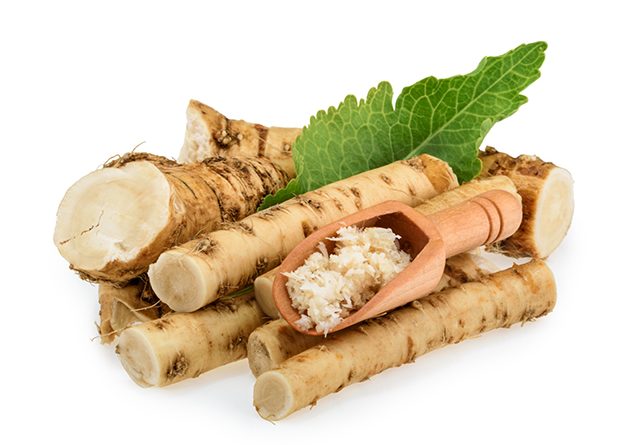
Beloved by the Japanese, horseradish could hold the key to the cure for cancer

Horseradish might not be something you eat every day, but there’s a good chance you’re familiar with its pungent flavor. While it may not enjoy tremendous popularity in the Western World, it could make a name for itself in the natural health realm as scientists have shown its incredible cancer-fighting ability.

What is it about horseradish that could prove so valuable in fighting cancer? Experts say it’s the glucosinolates found inside the plant that are responsible for its capabilities. These cancer-fighting compounds can help to detoxify and get rid of cancer-causing free radicals.

Scientists from the University of Illinois College of Agricultural, Consumer and Environmental Sciences (ACES) identified and quantified these glucosinolates, and they found that horseradish has 10 times the amount of them that broccoli does. In the newest study, they decided to take it one step further and look for the products of glucosinolate hydrolysis. This activates the enzymes responsible for detoxifying the cancer-causing molecules.

After comparing the activity of these products among 11 different strains of horseradish, they found that the higher-grade variety known as U.S. Fancy have significantly higher amounts of glucosinolates than the U.S. No. 1 varieties. They also noted differences among the varieties in terms of glucosinolate hydrolysis product concentrations.

A crop scientist from the University of Illinois, Mosbah Kushad, explained why the study was groundbreaking, stating: “We knew horseradish had health benefits, but in this study, we were able to link it to the activation of certain detoxifying enzymes for the first time.”

Support our mission and enhance your own self-reliance: The laboratory-verified Organic Emergency Survival Bucket provides certified organic, high-nutrition storable food for emergency preparedness. Completely free of corn syrup, MSG, GMOs and other food toxins. Ultra-clean solution for years of food security. Learn more at the Health Ranger Store.

The hydrolyzed form of the glucosinolate sinigrin has also been shown to suppress cancerous tumor growth, affecting organs like the pancreas, liver and intestine. It also reduces levels of lipids in the blood, which means it could help to lower high triglyceride levels.

Horseradish has been used as natural medicine for thousands of years
The researchers report that as much as 90 percent of horseradish’s beneficial compounds are absorbed when people ingest it. Perhaps that helps explain why it has been used as a natural cure since the time of the ancient Romans and Greeks, who used it topically for issues like backaches, muscle pain, and menstrual cramps. They took it internally for cough relief and as an aphrodisiac. It has also been used throughout the years to treat scurvy, asthma, colic and toothaches.

These days, horseradish is still used in natural medicine for a host of ailments, and it’s the active ingredient in the urinary antiseptic drug Rasapen. It has been approved by German authorities as an ingredient in respiratory tract infection medications.

This hardy perennial is native to western Asia and southeastern Europe, but it’s grown throughout the world now. Easy to cultivate and care for, it contains minerals like calcium, magnesium, phosphorous and potassium. It’s rich in vitamin C and it contains minimal amounts of fat and calories. It also boasts a heavy load of antioxidants, which means it can give your immune system a nice boost.

It has a pungent flavor, so it’s a great way to add some excitement to otherwise bland dishes. It pairs particularly well with foods like roasts, salads, soups, and sauces. It is also often consumed as part of horseradish sauce, which contains the grated plant mixed with distilled vinegar. If you’re looking to add it to your diet, keep in mind that cooking it can deplete much of its nutritional value.


People who live in rural towns are documented to be HAPPIER than city-dwellers, according to new research


What’s not to be happy about city-living? Everything you need is at arm’s reach – great food, entertainment, shopping malls, the list goes on. You will never get bored. But a recent study suggests that people residing in rural areas are in fact happier because of their simpler life.

A team of researchers from Vancouver School of Economics and McGill University conducted a study which aimed to find out the happiness levels of 400,000 Canadians. Using the responses and by cross-referencing them with other survey data, they were able to identify which factors actually bring happiness to people.

Results were quite surprising as it showed that people living in rural towns are eight times happier than those who reside in urban areas. This was measured using responses from the participants when they were asked to rate “how satisfied” they are with their lives. On a scale of one to 10, the average score ranged from 7.04 to 8.94.

Furthermore, it appeared that some factors expected to largely affect a person’s happy disposition in life weren’t really as relevant; these include higher salaries, higher education, and great jobs. Meanwhile, the research found that simpler factors have more bearing on what makes people happy. In both communities, rural and urban, results showed that Canadians care more about the following things:

Commuting for shorter periods of time.

Spending less than 30 percent of their income on housing.

Living in the same place for at least five years.

Capacity to attend church regularly.

Having a sense of belonging within the community.

According to the study’s authors, the findings made it obvious that “Life is significantly less happy in urban areas.” This is mostly due to the fact that living in busy cities may also mean it’s more difficult to connect with family and friends. (Read: Children raised in rural environments and surrounded by animals develop stronger immune systems.)

Social isolation, as per a separate study, can have adverse effects on the brain. It can actually make a person feel fear and aggression. Moreover, a Toronto therapist, Lesli Musicar, confirmed that people who live in urban areas feel less safe than those in rural towns.

“There isn’t the same feeling of safety. People are generally less trusting. There’s a heterogeneous population, it’s not a homogeneous population, it’s not like in a small town where there is a lot more commonality, ” she added.

Benefits of choosing to live in a rural town

Granted, we all have our preferences. On one hand, some people love walking in busy streets, being in crowded places, and being surrounded by loud sounds. On the other hand, some enjoy the quiet and less-hectic lifestyle.

But in case you’re wondering why some people still choose to stay in less developed areas, here are three benefits that rural dwellers get:

Cheaper cost of living for a bigger space – Bigger and more spacious houses are offered at lower rates since the real estate value in rural areas is not as expensive as in the city. Aside from cutting housing cost, you get to enjoy being close to nature and having your own yard. As a bonus, you can see the stars in the night sky, instead of tall buildings.

Less amount of stress – We’re talking about not having to tolerate traffic jams, high crime rates, and long queues all the time. Everything can be done at your own pace when you live in rural places.

A sense of community – Just like what the study above identified, people – whether consciously or not – long for a sense of belonging. Since those who live in rural towns have more time in their hands to get to know their neighbors, communities are more friendly.

Black rice protein

  • Product Description:

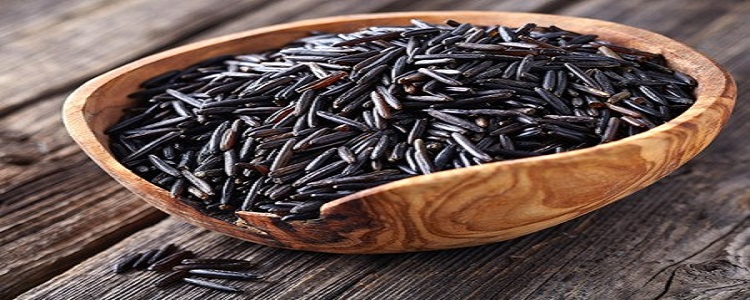
  • Black rice,also known as black millet.Black rice extract is a kind of water-soluble natural pigment extracted from black rice, it’s active ingredient is anthocyanin.
    As a commonly used food, it also has important medicinal value,tonifying spleen,improving eyesight,activating blood, promoting blood circulation, supplying vital essence and marrow.

Function

  • 1. Black Rice Extract has the function of eliminating free radical;
    2. improvs cardiac muscle nutrition and reducing myocardial oxygen consumption;
    3. Black Rice Extract can effect on the obvious inhibiting to formation of atherosclerosis.
    4. scavenges free radical, eliminate speckles, enhances cardiovascular health.
    5. natural anti-oxidant.
    6. natural pigment.
    7. resistant mutations function to reduce the formation of carcinogenic factor
    8. Black Rice Extract has anti-inflammatory effects, which can be prevented, including inflammation, including arthritis and swelling.
    9.Antioxidation, antimutation and liver protection.
    10.Strengthen body physiques.
    11.Lose weight and fit, and even anticancer.
    12.It is becoming the optimum food owning to its non-pollution, green and organism characteristics.
    13.Purple Potato embody affluent nutrition of Selenium and anthocyanidin.

Cooling agent ws-3

Product Description:

Product Name: Cooling agent ws-3

Chemical Name: N-Ethyl-2-(isopropyl)-5-methylcyclohexanecarboxamide

CAS No.: 39711-79-0

MF: C13H25NO

MW: 211.35

Appearance: White crystal powder

Odor:  Mild cooling, slight menthol odor (almost odorless)

Detection Method: HPLC

Purity: ≥99%

Melting Point: 87ºC-102ºC

Flash Point: >100℃

Specific Rotation: -49° ~ -54°

Water Solubility: Insoluble

FEMA No.: 3455

EINECS No.: 254-599-0

Shelf Life: 2 years

Package: 1kg per bag with double plastic inside and aluminium foil bag outside, or 25kg per fibre drum with double plastic bag inside, or according to customers’ requirement.

Storage: Store in cool and dry place. Keep away from strong light and heat.

Product Description:

Background:

WS 3 is an agonist of TRPM8 receptor with EC50 value of 3.7 μM [1].

Transient receptor potential cation channel subfamily M member 8 (TRPM8) is a Ca2+– and Na+-permeable ion channel and is activated by cooling agents and cold temperatures. TRPM8 belongs to TRP family and is expressed in sensory neurons.

WS 3 is an agonist of TRPM8 receptor and a cooling agent. In HEK293 cells expressed recombinant mouse TRPM8, WS 3 (30 μM) increased [Ca2+]i. WS 3 exhibited potency with EC50 value of 3.7 μM and induced 86% efficacy of the maximal response to icilin, the most potent agonist [1]. In HEK cells stably expressing either hTRPM8 or hTRPA1, WS 3 activated hTRPM8 and hTRPA1 with EC50 values of 2.2 and 120.6 μM, respectively. WS 3 was efficacious in eliciting cooling sensation [2].

References:
[1].  Behrendt HJ, Germann T, Gillen C, et al. Characterization of the mouse cold-menthol receptor TRPM8 and vanilloid receptor type-1 VR1 using a fluorometric imaging plate reader (FLIPR) assay. Br J Pharmacol, 2004, 141(4): 737-745.
[2].  Klein AH, Iodi Carstens M, McCluskey TS, et al. Novel menthol-derived cooling compounds activate primary and second-order trigeminal sensory neurons and modulate lingual thermosensitivity. Chem Senses, 2011, 36(7): 649-658.

Advantages:

Food Grade Cooling Agent ws-3 For Cigarette/Filter Tip/Tobacco/Oral Product

  1. There is a high cooling effect without other unpleasant feelings such as bitterness, burning, stinging or tingling sensations and can bring more stimulative, fresh and aromatic sensory to

the entire mouth and throat.

  1. Cooling agent ws-3 can solve the difficulty of developing new products with bad sensation.
  2. When used with other flavors, it enhances the effects of the flavors. It also can be used with

other cooling agents.

  1. Cooling agent ws-3 is water-solubility is no  more than 0.1%, it’s better than traditional cooling agents, so it can act on taste bud more wallop and has long cooling effect.

Functions:

  1. Continuous and long lasting cooling and refreshing effect, having no hot, harsh and stinging sensation of Menthol and/or Peppermint.
  2. Heat-Resistance: Heating under 200oC will not reduce the cooling effect, suitable to use on baking and other high temperature heating process.
  3. Its cooling intensity can maintain 15-30 minutes, enriching the refreshing of product and having no burning pain, stabbing and numbness, it’s cooler than traditional Menthol products.
  4. Low dosage: 30-100 mg/kg dosage will give good cooling effect.
  5. Excellent compatibility with other flavors, it can enhance the effect of the flavors. It also can be combined using with other cooling agents.

Applications:

  1. Daily use products: toothpaste, oral products, Air Freshener, skin cream, shaving cream, shampoo, sunscreen, shower cream.
  2. Food products: confectionery products, chocolate, dairy produce, beer, distilled spirit, beverage,

Chewing Gum.

  1. Medicine: linctus, diminish inflammation ointment, dyspepsia, antipruritic, liniment, oral cavity

acesodyne, heatstroke pill.

  1. Others: cigarette, filter tip and other tobacco, it also can be used for driving insects.

Usage:

  1. Soluble in Ethanol/PG firstly, then adding water solution.
  2. Or dissolved in flavors firstly, then added into your products.
  3. Mixed with dementholized peppermint oil can increase the fragrance signally.


Freeze Dried Broccoli Powder

Product Description:

Broccoli is a member of the cabbage family, and is closely related to cauliflower. Its cultivation originated in Italy. Broccolo, its Italian name, means “cabbage sprout.” Because of its different components, broccoli provides a range of tastes and textures, from soft and flowery (the floret) to fibrous and crunchy (the stem and stalk). Broccoli contains glucosinolates, phytochemicals which break down to compounds called indoles and isothiocyanates (such as sulphoraphane). Broccoli also contains the carotenoid, lutein. Broccoli is an excellent source of the vitamins K, C, and A, as well as folate and fiber. Broccoli is a very good source of phosphorus, potassium, magnesium and the vitamins B6 and E.

Advantages:

  1. 100% natural.
  2. No synthetic pigments.
  3. No chemical essences or flavors.
  4. No preservative agents.
  5. Good fluidity and dispersible in water.
  6. Long preservative time than fresh fruit.
  7. Easy for transportation due to powder form.
  8. Made from the seasonal fruit, ensure the freshness and nutrition.
  9. Microbiology control in line with national standards.
  10. Heavy metal control fulfill National Norms and Codes.

Functions:

  1. With the function of anti-cancer, and effectively improving capability of blood scavenging.
  2. Having the great effect to prevent and regulate hypertension.
  3. With the function of enhancing liver detoxification, improve immunity.
  4. With the function of reducing blood sugar and cholesterol.

Applications:

  1. As drugs raw materials of anti-cancer, it is mainly used in pharmaceutical field.
  2. Applied in health product field, it can be used as raw material in health food, the purpose is to enhance immunity.
  3. Applied in food fields, it is widely used as functional food additive.

Delivery Time: Within 3 working days after confirming your payment.

Shipping Details: DHL, TNT, FEDEX or EMS.

Payment: T/T, West Union, Paypal and Escrow service.

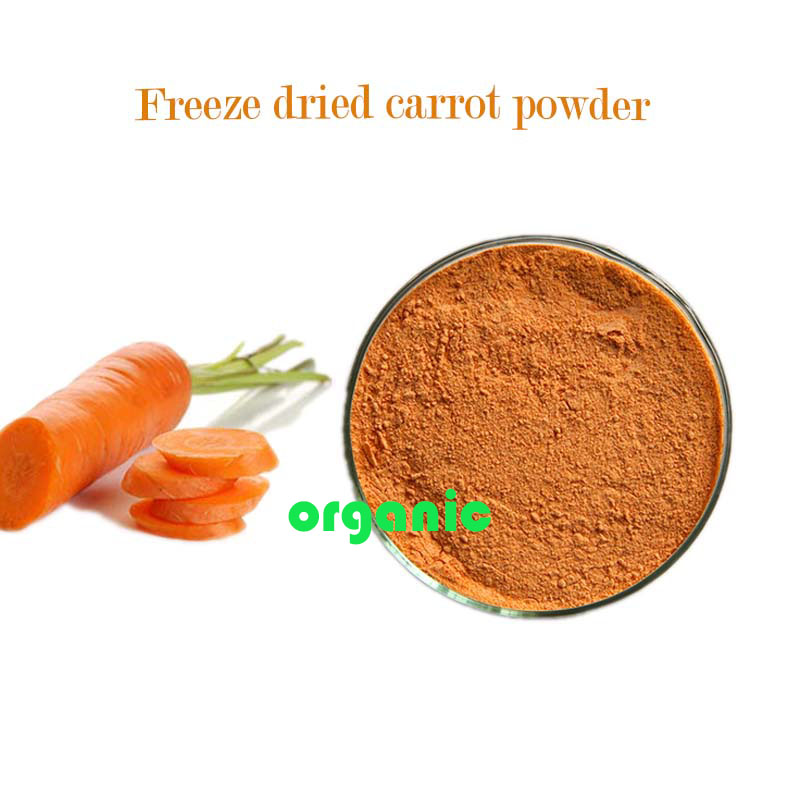
Freeze Dried Carrot Powder

Product Name: Freeze Dried Carrot Powder

Latin Name:  Daucus carota L. var. sativa Hoffm.

Appearance: Orange fine powder

Oder: Characteristic

Process: Freeze dried

Active Ingredient: Beta carotene, vitamin

Specification: Vegetable powder

Used Part: Root

Particle Size: 100% pass 80 mesh

Test Method: HPLC

Model Number: 100% Nature

Shelf Life: Two years

Packaging Details: 1. 1-10kg/bag, double plastic bags inside, aluminum foil Bag outside.
2. 25kg/drum, double plastic bags inside.
3. According to your requirements.

Storage: Stored in a cool and dry well closed container and in ventilated area,

kept away from moisture and strong light or high temperature. 

Product Description:

The carrot is a root vegetable, usually orange in colour, though purple, red, white, and yellow varieties exist. It has a crisp texture when fresh. The most commonly eaten part of a carrot is a taproot, although the greens are sometimes eaten as well. It is a domesticated form of the wild carrot Daucus carota, native to Europe and southwestern Asia. The domestic carrot has been selectively bred for its greatly enlarged and more palatable, less woody-textured edible taproot.Most carrot cultivars are about 88% water, 7% sugar, 1% protein, 1% fibre, 1% ash, and 0.2% fat.

Advantages:

  1. 100% natural.
  2. No synthetic pigments.
  3. No chemical essences or flavors.
  4. No preservative agents.
  5. Good fluidity and dispersible in water.
  6. Long preservative time than fresh fruit.
  7. Easy for transportation due to powder form.
  8. Made from the seasonal fruit, ensure the freshness and nutrition.


  1. Microbiology control in line with national standards.
  2. Heavy metal control fulfill National Norms and Codes.

Functions:

  1. Carrot powder can be used to enhance human immunity.
  2. Carrot powder can be used to maintain the integrity of the skin mucous membrane layer, prevent skin dry and coarse.
  3. Carrot powder can promote growth.
  4. Carrot powder can be used as an antioxidant, may offer some protection against certain cancers and other diseases.

Applications:

  1. Applied health product industry, carrot powder can be used as raw materials.
  2. Applied in food and beverage industry ,carrot powder can be used as additives.

Delivery Time: within 3 -7 days after receiving payments.

Shipping Details: DHL, TNT, FEDEX or EMS.

Payment Terms: T/T, West Union, Paypal and Escrow service.

Company Information:

Xi’an Taima Biological Co., LTD. was founded in 2008, is a technological export-oriented private enterprise with the Rights of Self-Managed Import and Export, specializing in active ingredients modernized and industrialization research, development, production, and sales of natural medical botany.

Our factory covers an area of 6,000 square meters equipped with advanced equipment and the production process is in accordance with FDA.

FAQ:

Q1: Could you provide free sample for test?

A1: We can provide you free sample for test, and you only need to pay the delivery cost.

Q2: Which payment terms do you accept? 

A2: T/T, West Union, Paypal and Escrow service are available. But different payment terms against countries.

Q3: What’s about the MOQ ?

A3: It depends on different products. Usually our MOQ is 1kg.

Q4: What’s the delivery lead time?

A4: We will make delivery within 3-7 days after receiving payment.

Q5: What about the delivery port? 

A5: Main ports in China are available.