Product Introduction
Neotame is a second-generation, ultra high-intensity artificial sweetener and flavor enhancer derived from aspartame through a reductive N-alkylation process with 3,3-dimethylbutyraldehyde. With a sweetness potency approximately 7,000 to 13,000 times that of sucrose (table sugar) and 30–60 times that of aspartame, Neotame is the most potent sweetener approved for use in food and beverages globally.
Unlike aspartame, Neotame does not contain phenylalanine in free form, making it safe for individuals with phenylketonuria (PKU). It exhibits excellent heat stability, functional pH range, and sweetening synergy when combined with other sweeteners and bulking agents. Approved by the US FDA in 2002 and by the EU (E961) in 2010, Neotame is now permitted in over 60 countries and is rapidly gaining adoption in zero-calorie, low-calorie, and sugar-reduced formulations across the globe.
Its minute usage levels — often measured in parts per million — make Neotame a highly cost-effective, clean-label-compatible, and logistically efficient sweetener for international food, beverage, pharmaceutical, and nutraceutical manufacturers.
Product Identification
| Parameter | Details |
| Chemical Name | Neotame |
| IUPAC Name | N-(N-(3,3-Dimethylbutyl)-L-α-aspartyl)-L-phenylalanine 1-methyl ester |
| CAS Number | 165450-17-9 |
| EC Number | 483-020-4 (tentative) |
| E Number | E961 |
| INS Number | INS 961 |
| Molecular Formula | C₂₀H₃₀N₂O₅ |
| Molecular Weight | 378.47 g/mol |
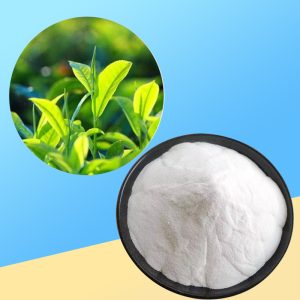
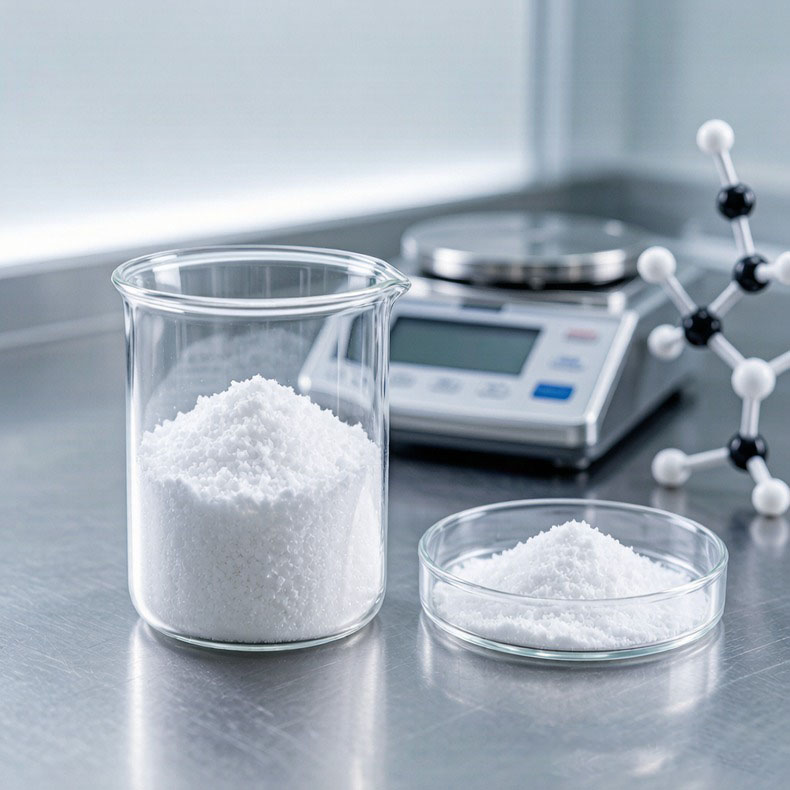
| Appearance | White to off-white crystalline powder |
| Odor | Odorless |
| Taste | Clean, pure sweetness; no bitter aftertaste |
| Solubility | Slightly soluble in water (~12.6 g/L at 25°C); soluble in ethanol and propylene glycol |
| Sweetness Potency | ~7,000–13,000× sweeter than sucrose (dependent on application) |
| Synergy Ratio vs Aspartame | 30–60× sweeter than aspartame |
| Caloric Value | 0 kcal/g (not metabolized for energy at use levels) |
| Glycemic Index (GI) | 0 |
| Heat Stability | Excellent; stable up to 130°C; suitable for baking, UHT, pasteurization |
| pH Stability | Stable across pH 2–10; excellent for acidic beverages |
| Phenylalanine Content | None in free form; safe for PKU patients |
Applications
Beverages
- Carbonated soft drinks — cola, lemon-lime, fruit-flavored CSDs
- Still beverages — flavored water, vitamin water, electrolyte drinks
- Sports and energy drinks — with and without carbonation
- Iced tea and ready-to-drink coffee
- Juice drinks — reduced-calorie and sugar-free variants
- Powdered beverage mixes — single-serve and bulk format
- Meal replacement shakes and protein beverages
- Dairy-based beverages — flavored milk, lassi, drinkable yogurt
- Alcoholic beverages — sugar-free cider, hard seltzer, premix cocktails
- Hot beverages — instant coffee and tea premixes (excellent heat stability)
Confectionery & Chewing Gum
- Sugar-free hard candy and lollipops
- Sugar-free soft chews and toffees
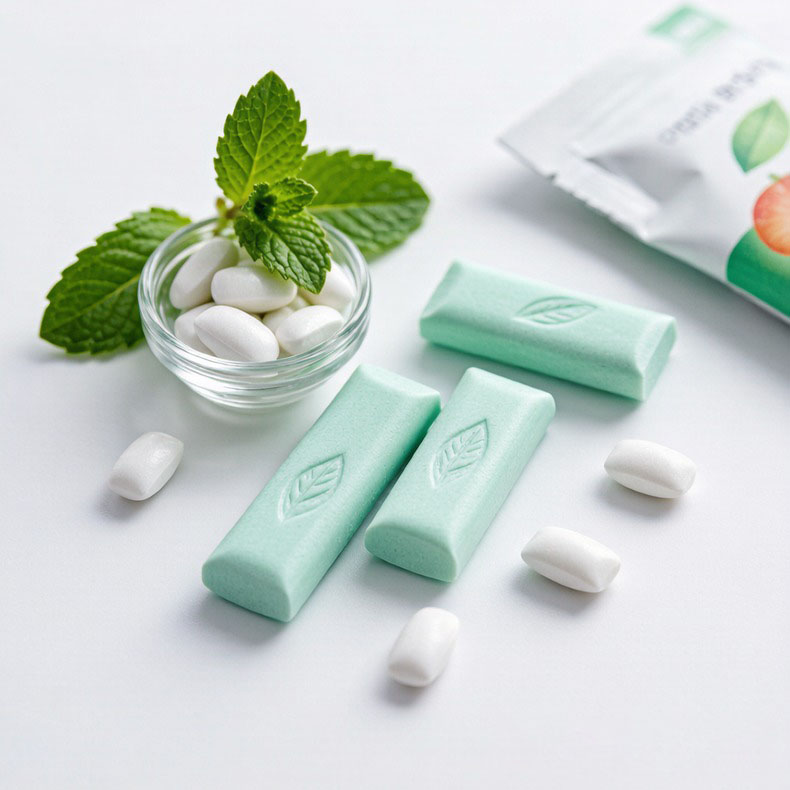
- Sugar-free chewing gum — pellet, stick, ball formats
- Breath mints and oral-care lozenges
- Sugar-free chocolate and compound coatings
- Throat lozenges and medicated confectionery
- Jelly and gummy candies (sugar-free)
- Compressed tablet candy and effervescent candies
FAQ
Q1: What makes Neotame different from aspartame?
Neotame is a derivative of aspartame but has several critical advantages: (1) It is 30–60× sweeter than aspartame (7,000–13,000× vs 200× sucrose). (2) It is heat-stable up to 130°C, while aspartame degrades above 75°C. (3) It is completely safe for PKU patients, as it does not release free phenylalanine during digestion. (4) It has broader pH stability (2–10 vs ~3–5 for aspartame). (5) It requires far lower use levels (parts per million vs parts per thousand), translating to lower formulation cost.
Q2: Is Neotame safe for consumption?
Yes. Neotame has undergone extensive toxicological and clinical evaluation, including over 110 safety studies. It is approved by the US FDA (2002), EU EFSA (E961, 2010), JECFA (WHO/FAO, 2004), and regulatory agencies in 60+ countries. The Acceptable Daily Intake (ADI) is 0–2 mg/kg body weight/day — at typical food use levels of 1–50 ppm, consumption remains far below the ADI.
Q3: Can Neotame be used in baking and heat-processed foods?
Yes, and this is one of Neotame’s strongest advantages. It remains stable at temperatures up to 130°C, making it suitable for baking, extrusion, retort sterilization, and UHT processing. Aspartame degrades at temperatures above 75°C and cannot be used in these applications.
Q4: How does Neotame taste compared to sugar?
Neotame delivers a clean, pure sweetness profile that closely approximates sucrose without the bitter or metallic aftertaste often associated with saccharin or acesulfame-K. Its sweetness onset is similar to sugar, and when used in combination sweetener systems (e.g., Neotame + erythritol + acesulfame-K), it produces an exceptionally well-rounded, sugar-like taste.
Q5: What is the cost advantage of Neotame compared to other sweeteners?
Due to its extremely high potency, Neotame offers exceptional cost-per-sweetness economics. On a sweetness-equivalent basis, Neotame is often significantly cheaper than sucralose, stevia, or aspartame. For example, replacing 1 kg of sucrose with Neotame requires only about 0.1–0.15 mg of Neotame (at 7,000–10,000× potencies), making it one of the most cost-efficient sweeteners available for bulk formulations.
Q6: Is your Neotame KOSHER and HALAL certified?
Yes. Our Neotame holds both KOSHER (Pareve) and HALAL certifications from internationally recognized certifying bodies. Certificates are provided with every order alongside the Certificate of Analysis (COA), MSDS, and Product Specification Sheet.