Product Introduction
| Item | Specification |
| Product Name | Theophylline |
| Synonyms | 1,3-Dimethylxanthine; Theophylline anhydrous; 2,6-Dihydroxy-1,3-dimethylpurine |
| CAS Number | 58-55-9 |
| Molecular Formula | C₇H₈N₄O₂ |
| Molecular Weight | 180.16 g/mol |
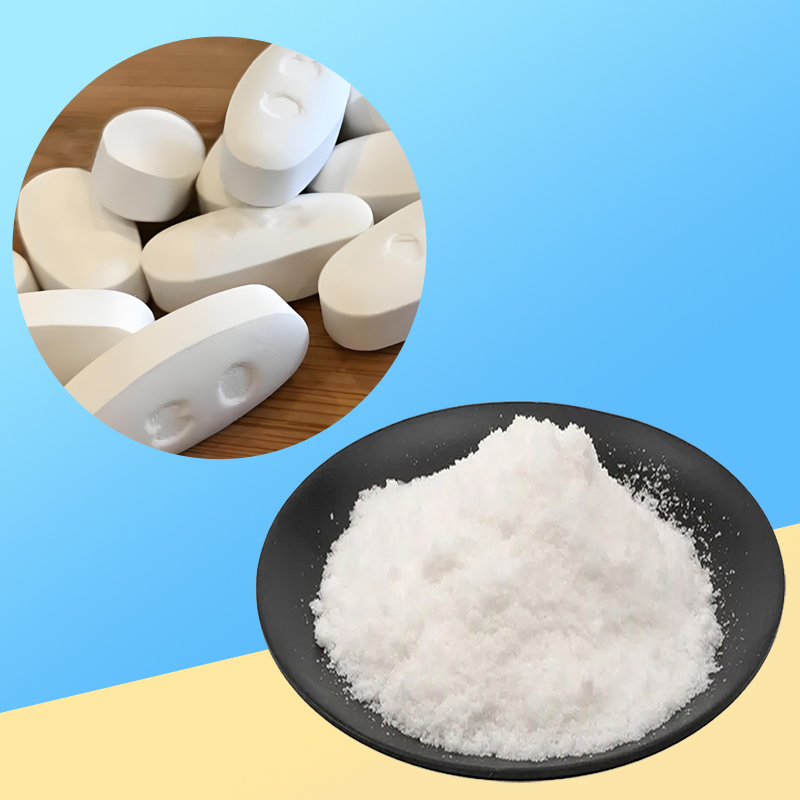
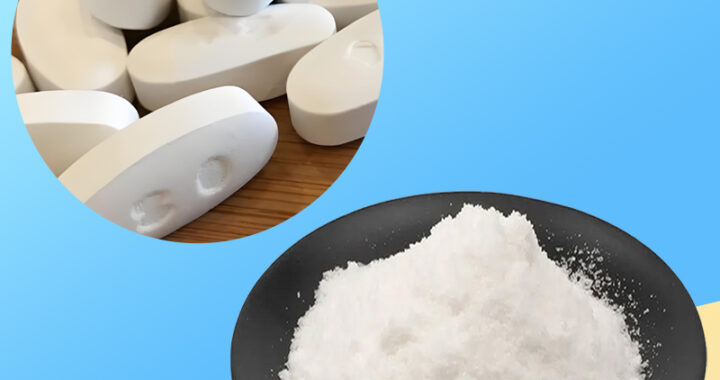
| Appearance | White crystalline powder, odorless, bitter taste, stable crystal form under sealed dry and dark conditions |
| Purity (HPLC) | ≥98.0% / ≥99.0% (Research Grade / Pharma API Grade, customizable) |
| Loss on Drying | ≤ 0.2% |
| Residue on Ignition | ≤ 0.1% |
| Testing Method | HPLC / NMR / Mass Spectrometry / IR Spectrum / Pharmacological Activity Detection |
| Production Method | Natural Plant Extraction & Chemical Synthesis & Multi-stage Low-Temperature Recrystallization Purification |
| Melting Point | 270-274°C (lit.) |
| Boiling Point | 454.1°C at 760 mmHg (Predicted) |
| Density | 1.59 g/cm³ at 25°C |
| Flash Point | 228.4°C |
| Solubility | Slightly soluble in cold water, soluble in hot water, ethanol, methanol and DMSO; insoluble in ether and chloroform; stable in neutral dry environments |
| Core Feature | Typical 1,3-dimethylxanthine alkaloid, non-selective PDE inhibitor and adenosine receptor antagonist, classic respiratory bronchodilator monomer |
| Package | 1g/5g/10g sealed amber bottle, 100g/1kg drum; vacuum moisture-proof & light-proof packaging, custom specification available |
| Storage | Store in vacuum-sealed, low-temperature, dark and dry conditions; avoid high temperature, humid environment and prolonged light exposure to prevent structural degradation and activity loss |
| Shelf Life | 24 months under standard low-temperature sealed and dark storage |
Product Description
Our Theophylline (CAS 58-55-9), chemically known as 1,3-Dimethylxanthine, is a high-purity classic methylxanthine alkaloid and clinically validated respiratory API monomer, supplied in premium research grade and pharmaceutical grade. As a core member of the xanthine family alongside caffeine and theobromine, Theophylline features a unique 1,3-dimethyl-substituted purine skeleton, which endows it with superior bronchodilatory and anti-inflammatory properties. It acts as a non-selective phosphodiesterase (PDE) inhibitor and competitive adenosine receptor antagonist, effectively regulating intracellular cAMP levels and blocking adenosine-induced bronchoconstriction responses. For decades, Theophylline has served as a foundational therapeutic agent for asthma, chronic obstructive pulmonary disease (COPD) and other respiratory disorders, making it an indispensable tool compound in respiratory pharmacology research and anti-asthma drug development. As a professional bulk Theophylline supplier, we provide low-impurity, high-stability, batch-consistent 1,3-Dimethylxanthine raw materials for global pharmaceutical laboratories, pharmacological research institutions and API manufacturing enterprises.
Theophylline occupies a core position in methylxanthine pharmacology with distinct functional advantages compared with other xanthine derivatives. Its dual pharmacological mechanism constitutes the basis of its clinical value: PDE inhibition elevates intracellular cyclic nucleotide concentrations to relax bronchial and pulmonary vascular smooth muscle, while adenosine receptor antagonism eliminates adenosine-mediated airway constriction and hyperresponsiveness to allergens and inflammatory stimuli. Beyond potent bronchodilation, low-concentration Theophylline activates histone deacetylase (HDAC) to suppress inflammatory gene expression, delivering significant anti-inflammatory effects that help reduce airway inflammation and reverse steroid resistance in severe respiratory diseases. Additionally, it exerts mild cardiotonic, diuretic and central respiratory center stimulant activities, enhancing myocardial contractility, boosting renal blood flow and improving respiratory drive. Our high-purity Theophylline eliminates xanthine isomer impurities, synthesis by-products and residual solvents, ensuring single-component purity and stable pharmacological activity, which guarantees high-precision and repeatable experimental data for mechanism research and preclinical drug trials.
Manufactured by Shaanxi BAISFU Bio-Engineering Co., Ltd., our premium Theophylline adopts integrated low-temperature synthesis and multi-stage recrystallization purification technology. The entire production process strictly controls reaction pH, temperature and purification gradients, thoroughly removing trace catalysts, organic residues and isomer contaminants. The closed dust-free and light-shielded production system prevents molecular oxidation and structural hydrolysis, fully retaining the complete 1,3-dimethylxanthine active skeleton and comprehensive biological activity. The finished product presents uniform white crystalline powder with stable crystal form, no caking, no discoloration and no deterioration, fully complying with international research-grade and pharmaceutical API quality standards.
Every batch of Theophylline undergoes strict multi-dimensional quality inspection, including HPLC high-precision purity analysis, NMR structural verification, mass spectrometry molecular identification and cell-level pharmacological activity testing. It achieves ultra-low impurity residue and zero invalid interference, ensuring consistent batch efficacy and excellent experimental repeatability. The product features stable solubility in common organic solvents and excellent biochemical compatibility in cell culture and in vivo animal experiment environments, fully meeting the strict raw material requirements of respiratory smooth muscle regulation, airway anti-inflammation mechanism exploration, COPD/asthma drug screening and methylxanthine structure-activity relationship research.
We maintain sufficient low-temperature light-proof inventory and complete qualification documents for bulk Theophylline supply. Whether you need standard methylxanthine monomers for basic pharmacological research, positive control reagents for bronchodilator efficacy evaluation, or high-purity parent intermediates for new respiratory drug structural optimization, our premium Theophylline is a high-cost-performance and high-value fine chemical choice for global buyers.
Functions & Benefits
Potent Bronchodilatory & Airway Smooth Muscle Relaxation (Core Benefit)
Theophylline is a classic gold-standard bronchodilator. By inhibiting PDE enzymes and elevating intracellular cAMP levels, it effectively relaxes bronchial smooth muscle, relieves airway spasm, reduces airway resistance, and improves pulmonary ventilation, serving as the core tool compound for asthma and COPD pharmacological research.
Dual Anti-Inflammatory & Airway Protective Effects
Low-dose Theophylline activates HDAC signaling to suppress pro-inflammatory gene expression, reduce airway inflammatory infiltration and hyperresponsiveness to allergens, and reverse corticosteroid resistance. It provides dual therapeutic value of dilation and anti-inflammation for refractory respiratory disease research.
Non-Selective PDE & Adenosine Receptor Antagonism
As a typical dual-target methylxanthine compound, Theophylline blocks adenosine receptors to eliminate constrictive signals and inhibits PDE3/PDE4 to regulate cyclic nucleotide metabolism. This unique dual mechanism supports multi-dimensional exploration of airway physiological regulation pathways.
Cardiotonic, Diuretic & CNS Stimulant Activities
High-purity Theophylline enhances myocardial contractility and heart rate, improves systemic microcirculation and renal blood flow, and mildly stimulates the medullary respiratory center. These auxiliary pharmacological properties enrich research scenarios for cardiovascular and neurorespiratory regulation.
High Single-Component Purity & Zero Isomer Interference
Our Theophylline adopts full-process high-precision purification technology, completely eliminating caffeine, theobromine and other xanthine isomer impurities. It ensures pure monomer activity, zero experimental interference and consistent batch pharmacological efficacy.
Stable Biocompatibility & Wide Experimental Adaptability
Theophylline has stable solubility in conventional experimental solvents and excellent biochemical compatibility. It maintains stable dual-target activity in cell and animal models, perfectly adapting to respiratory pharmacology, inflammatory mechanism and methylxanthine structure-activity relationship research.
Applications
Asthma & COPD Pharmacology Research
Used as a standard bronchodilator positive reagent for studying airway smooth muscle relaxation, spasm relief and chronic obstructive pulmonary disease pathological mechanisms, widely applied in respiratory pharmacology laboratories.
Airway Anti-Inflammatory & Steroid Resistance Study
Served as the core experimental compound for exploring HDAC-mediated anti-inflammatory pathways, airway hyperresponsiveness regulation and corticosteroid resistance reversal, supporting refractory respiratory disease drug development.
Methylxanthine Structure-Activity Relationship Research
Applied as a typical 1,3-dimethylxanthine model compound to compare pharmacological differences with caffeine and theobromine, clarifying the structure-function relationship of methyl-substituted purine skeletons.
Cardiorespiratory & Neurophysiology Research
Used to explore the regulatory mechanisms of theophylline on myocardial contractility, renal circulation and central respiratory excitation, providing tool support for multi-system physiological regulation research.
Laboratory Teaching & Pharmacological Mechanism Demonstration
Provided as standard high-purity Theophylline reagent for methylxanthine pharmacology teaching, bronchodilator mechanism demonstration and multi-target drug activity verification tests, ensuring accurate and stable experimental data for scientific research and teaching.
FAQ
Q1: What is Theophylline mainly used for?
A: Theophylline is a classic methylxanthine bronchodilator. It is mainly used for asthma and COPD pathological mechanism research, airway smooth muscle regulation, respiratory anti-inflammatory experiments, and methylxanthine structure-activity relationship & new drug development.
Q2: What is the difference between Theophylline, Caffeine and Theobromine?
A: Theophylline (1,3-dimethylxanthine) prioritizes bronchodilatory and airway anti-inflammatory effects; Caffeine delivers strong central excitation; Theobromine focuses on vasodilation. Theophylline has the most prominent respiratory therapeutic value among methylxanthine alkaloids.
Q3: What are the core advantages of our Theophylline?
A: Our Theophylline adopts professional multi-stage recrystallization purification technology, featuring ultra-high single-component purity, zero xanthine isomer and synthesis impurity interference, stable dual-target PDE and adenosine antagonistic activity, and consistent batch quality for high-precision pharmacological research.
Q4: How to store Theophylline correctly?
A: Theophylline is sensitive to high temperature, humidity and strong light, prone to structural degradation and activity attenuation. It must be stored in vacuum-sealed, low-temperature, light-proof and dry dark conditions. Standard sealed low-temperature dark storage ensures 24 months of stable shelf life and biological activity.
Q5: What is the appearance of high-purity Theophylline?
A: High-purity Theophylline is uniform white fine crystalline powder at room temperature, odorless with slight bitter taste, stable crystal state, no caking, no fading and no deterioration.
Q6: Can I get free Theophylline samples for testing?
A: Yes, we provide free Theophylline samples for respiratory pharmacology mechanism research, anti-inflammatory efficacy verification and methylxanthine derivative synthesis experiments. Bulk orders support customized purity and professional light-proof vacuum packaging to meet scientific research and pharmaceutical API production needs.