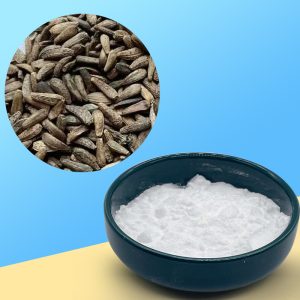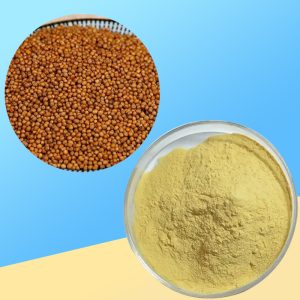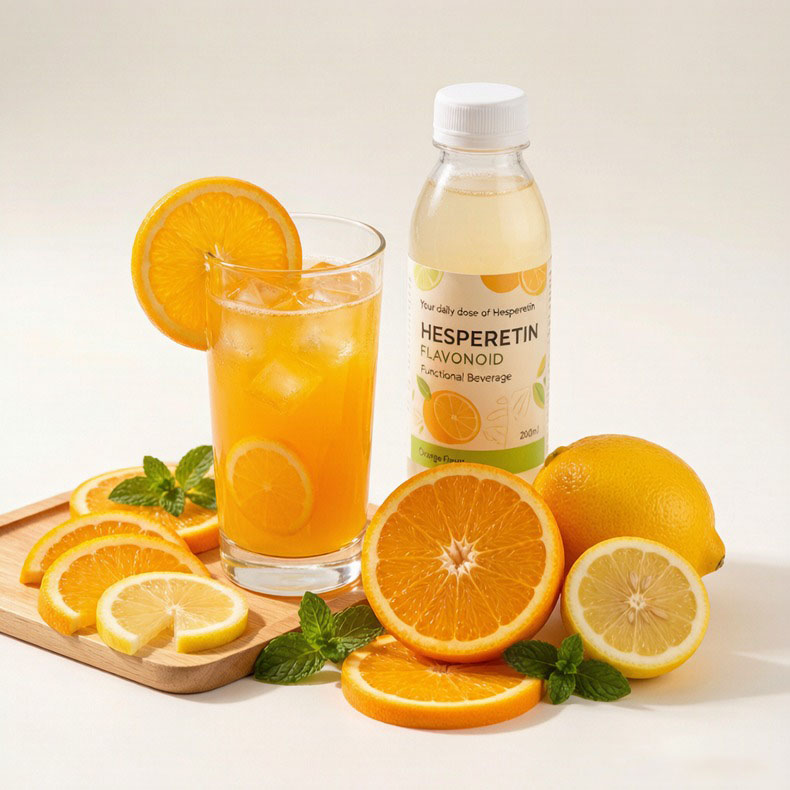
Product Introduction
Hesperetin (CAS 520-33-3) is a naturally occurring flavanone aglycone found abundantly in citrus fruits, particularly in the peel of oranges (Citrus sinensis) and lemons. It is the aglycone form of hesperidin — one of the most studied citrus bioflavonoids. Hesperetin exhibits remarkable biological activities including potent antioxidant, anti-inflammatory, cardiovascular-protective, neuroprotective, and anti-cancer properties. Its high bioavailability (compared to its glycoside hesperidin) makes it a premium ingredient for pharmaceutical formulations, nutraceuticals, functional foods, and cosmetic applications.
Product Specifications
| Parameter | Details |
| Product Name | Hesperetin |
| IUPAC Name | (S)-2,3-dihydro-5,7-dihydroxy-2-(3-hydroxy-4-methoxyphenyl)-4H-1-benzopyran-4-one |
| CAS Number | 520-33-2 (racemic) / 520-33-3 (natural S-enantiomer) |
| Molecular Formula | C16H14O6 |
| Molecular Weight | 302.28 g/mol |
| Botanical Source | Citrus sinensis (orange peel), Citrus aurantium, Citrus limon |
| Purity | 98% min (HPLC); also available at 90%, 95% |
| Appearance | Light yellow to pale yellow fine crystalline powder |
| Odor | Characteristic, slightly bitter taste |
| Solubility | Slightly soluble in water; soluble in methanol, ethanol, DMSO, alkaline solution |
| Melting Point | 225–228 °C (decomposes) |
| Optical Rotation | [α]D = -10° to -14° (c=1, pyridine) — natural S-form |
| Loss on Drying | ≤0.5% |
| Residue on Ignition | ≤0.1% |
| Heavy Metals | ≤10 ppm (USP standard) |
| Arsenic | ≤1 ppm |
| Microbial Limits | Total Plate Count ≤1000 cfu/g; Yeast & Mold ≤100 cfu/g; E. coli: Absent |
| Shelf Life | 24 months under proper storage conditions |
| Storage | Store in sealed container, cool (below 25°C), dry, dark place; protect from humidity |
| Packaging | 1kg/bag (aluminum foil bag), 25kg/fiber drum; custom packaging available |
| Certification | ISO9001, Kosher, Halal, GMP, FSSC22000 |
Application Scenarios & Recommended Dosage
| Application | Use Case | Suggested Dose |
| Dietary Supplements | Capsules, tablets, softgels for cardiovascular, anti-aging, antioxidant | 100–500 mg/day |
| Nutraceuticals | Functional gummies, meal replacement, protein powders | 50–200 mg/serving |
| Functional Beverages | Citrus-flavored health drinks, fortified juices, sports beverages | 20–100 mg/serving |
| Pharmaceuticals | Cardiovascular drugs, anti-inflammatory preparations, neuroprotective | Per prescription |
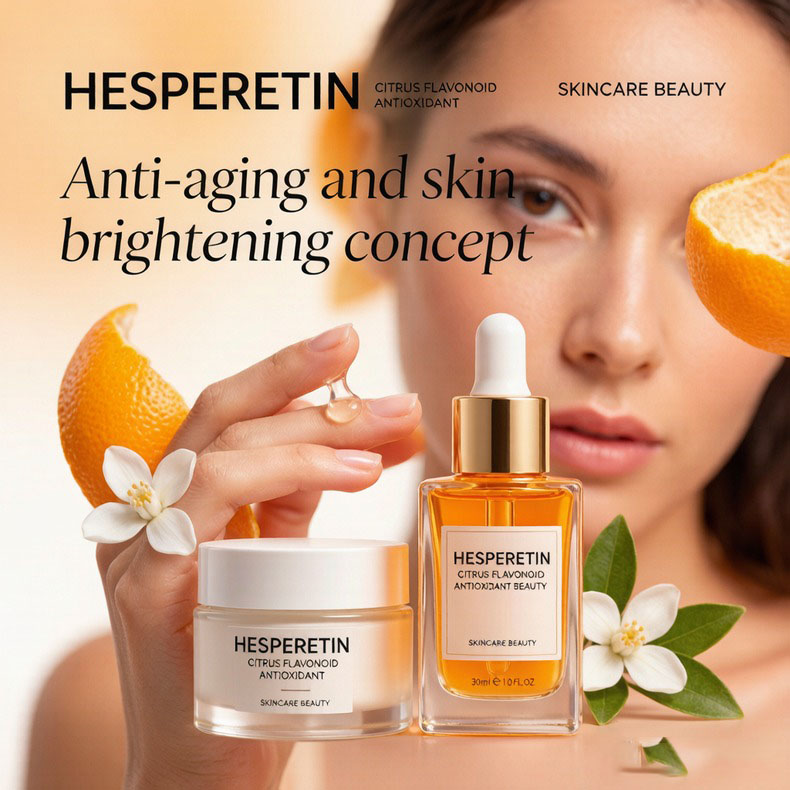
| Cosmetics | Serums, creams, toners for whitening, anti-aging, UV protection | 0.1–1% (w/w) |
FAQ
What is Hesperetin?
Hesperetin is a natural flavonoid mainly extracted from citrus fruits like oranges and lemons. It is the aglycone form of hesperidin and a popular functional raw material.
What are the main properties of Hesperetin?
It features good antioxidant activity. It also helps support vascular health and maintain normal body metabolism.
What are the common uses of Hesperetin?
It is widely used in dietary supplements, functional foods, beverages and skincare products for its health and skin-care values.
What are the key health benefits of Hesperetin?
It can resist free radicals, relieve oxidative stress, and assist in regulating blood lipid levels and protecting blood vessels.
Is Hesperetin safe for regular intake?
It is generally safe for most people at standard dosages. Pregnant women, lactating women and patients on medication should consult a professional first.
How to store Hesperetin properly?
Keep it sealed in a cool, dry and dark environment. Avoid high temperature, direct sunlight and humidity to prevent deterioration.