Standardized European Bilberry Extract 25-36% Anthocyanins
Product Introduction
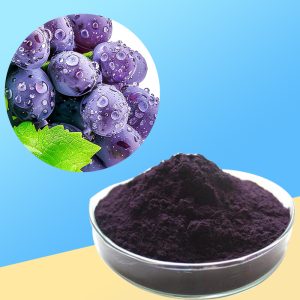
Bilberry Extract (Vaccinium myrtillus L., Ericaceae) is a premium natural anthocyanin-rich botanical extract standardized to contain 25-36% total anthocyanins, derived from the dark purple fruits of the wild European bilberry. This extract is the most clinically recognized botanical ingredient for ocular health and vision support, backed by over four decades of research and the most extensive body of anthocyanin-specific clinical literature among all berry-derived extracts.
Product Identification
| Parameter | Value |
| Product Name | Bilberry Extract (European Bilberry Dry Extract) |
| CAS Registry Number | 84082-34-8 |
| Botanical Name | Vaccinium myrtillus L. |
| Plant Family | Ericaceae (Heath family) |
| Plant Part Used | Ripe fruit (berry) |
| Active Constituents | Anthocyanins (15 major glycosides) |
| Standardization | 25-36% total anthocyanins (UV-Vis, as cyanidin-3-glucoside) |
| Appearance | Deep purple to purple-red fine powder |
| Solubility | Fully water-soluble; partially soluble in ethanol; insoluble in oils |
| Odor & Taste | Characteristic fruity odor; slightly astringent, tart taste |
Applications
| Health Domain | Primary Mechanism | Evidence Strength | Typical Application |
| Digital Eye Strain & Visual Fatigue | Ciliary muscle relaxation via microcirculation; retinal oxidative stress reduction | Level 2: Controlled clinical studies | Supplement: 80-160 mg anthocyanins/day for screen users |
| Dry Eye Syndrome | Lacrimal/meibomian gland microcirculatory support; tear film inflammatory mediator reduction | Level 2: Placebo-controlled trial | Supplement + artificial tears combination therapy |
| Night Vision & Dark Adaptation | Historically cited (RAF pilots); modern evidence inconsistent. Rhodopsin regeneration hypothesis not proven in contemporary RCTs. | Level 3-4: Anecdotal/inconsistent | Adjunctive use; not supported as primary night vision supplement |
| Retinal Microvascular Health | AMPK-mTOR protective autophagy in retinal capillary endothelium; NF-kB/Nrf2 dual modulation | Level 2-3: Animal models + mechanistic | Preventive supplement for at-risk populations (diabetics, high myopia) |
| Skin Anti-Aging & Brightening | Skin antioxidant capacity upregulation; tyrosinase inhibition; MMP suppression; anti-inflammatory | Level 2: RCT (Nobile et al., 2024) | Cosmetic: 0.5-2% in serums/creams; Oral: 80-160 mg anthocyanins/day |
| Cardiovascular & Endothelial Function | eNOS activation, NO-mediated vasodilation; systemic inflammatory marker reduction (CRP, IL-6) | Level 2 | Supplement for vascular health; adjunct to hypertension management |
| Metabolic Syndrome & Glycemic Control | GLP-1 secretion stimulation; alpha-glucosidase inhibition; AMPK activation | Level 2-3 | Functional food ingredient for diabetic-friendly products |
| Chronic Inflammation & Immune Modulation | NF-kB, STAT3, COX-2 systemic suppression; reduction in circulating inflammatory biomarkers | Level 2: Biomarker studies | General anti-inflammatory supplement |
| Gut Health & Microbiome | Anthocyanin-gut microbiota interaction produces bioactive phenolic acid metabolites (protocatechuic acid, ferulic acid) | Level 3: Emerging | Prebiotic co-formulation; gut-eye axis research interest |
FAQ
Q1: What is the difference between European bilberry (Vaccinium myrtillus) and North American blueberry (Vaccinium corymbosum)?
European bilberries are wild, low-growing shrubs producing smaller, intensely dark purple berries with anthocyanins throughout the entire fruit (skin + flesh). North American blueberries are cultivated, larger, and contain anthocyanins only in the skin. Bilberries have 3-4x higher anthocyanin concentration (29-65 g/kg dry weight vs. 4.8-33 g/kg) and a more complex 15-compound anthocyanin profile. For therapeutic extract production, only genuine V. myrtillus meets European Pharmacopoeia standards.
Q2: How can I verify that your bilberry extract is genuine V. myrtillus and not blueberry-substituted?
HPLC-DAD fingerprint analysis is the gold standard. Our CoA includes the complete 15-peak HPLC chromatogram with peak identification and relative retention times matching the European Pharmacopoeia monograph. Blueberry substitution would be immediately evident: fewer peaks, incorrect glycoside ratios (particularly elevated malvidin relative to delphinidin), and absence of the characteristic delphinidin-3-galactoside peak that dominates bilberry profiles. We welcome third-party HPLC verification by your laboratory.
Q3: What is the recommended daily dose for digital eye strain?
Clinical studies support 80-320 mg of bilberry anthocyanins per day for eye strain relief. At 25% standardization, this equates to 320-1280 mg of bilberry extract. For most users, 160 mg anthocyanins/day (640 mg extract at 25%) provides significant functional benefit. Onset of perceived effect is typically 2-4 weeks of consistent daily use. Results are dose-dependent and sustained with continued use.
Q4: Can bilberry extract replace lutein for eye health?
No. These two ingredients are complementary, not interchangeable. Bilberry targets ocular microcirculation, ciliary muscle function, and tear film support (functional relief). Lutein builds macular pigment density and provides structural blue-light filtration (structural protection). AREDS2-level evidence supports lutein for AMD prevention; bilberry has stronger evidence for digital eye strain relief. The optimal strategy is to combine both in a comprehensive eye health formula.
Q5: Does bilberry extract really improve night vision?
The WWII RAF pilot anecdote is historically famous but not supported by modern RCT evidence. While bilberry anthocyanins support retinal microcirculation and may theoretically aid rhodopsin regeneration, contemporary clinical trials have produced inconsistent or negative results for night vision improvement. We recommend positioning bilberry for its well-supported benefits (digital eye strain, dry eye, ciliary muscle function) rather than for night vision claims, which may expose your product to regulatory challenge.
Q6: What is Mirtoselect(R) and how does your extract compare?
Mirtoselect(R) is the proprietary standardized bilberry extract manufactured by Indena S.p.A. (Italy), the most clinically studied bilberry extract brand. It is standardized to 36% anthocyanins and has been used in multiple clinical trials. Our extract is manufactured to European Pharmacopoeia specifications with the same 15-peak authentic HPLC fingerprint and is available at both 25% and 36% standardization. While we do not use the Mirtoselect(R) trademark, our pharmacopoeia-grade extract provides equivalent anthocyanin composition and potency at more competitive pricing for bulk B2B supply.