Pine Bark Extract CAS:133248-87-0 Premium OPC-Rich Antioxidant for Cardiovascular, Skin & Cognitive Health
Product Introduction
Pine bark extract is a potent botanical antioxidant derived from the inner bark of maritime pine (Pinus pinaster Aiton) or other Pinus species, including Pinus massoniana. The extract is standardized for oligomeric proanthocyanidins (OPCs) — a class of polyphenolic compounds consisting of condensed flavan-3-ol units (catechins and epicatechins). OPCs are among the most powerful naturally occurring antioxidants known, with ORAC values significantly exceeding those of vitamin C, vitamin E, and grape seed extract in certain studies.
Product Identification
| Attribute | Detail |
| Product Name | Pine Bark Extract / Pinus Bark Extract / OPC Pine Bark Extract |
| CAS Number | 133248-87-0 |
| Botanical Name | Pinus pinaster Aiton / Pinus massoniana Lamb. |
| Plant Family | Pinaceae |
| Plant Part Used | Inner bark (phloem) |
| Active Compounds | Oligomeric Proanthocyanidins (OPCs): catechin, epicatechin, procyanidin B1, B2, B3, taxifolin |
| Synonyms / Trade Names | Maritime Pine Bark Extract, Pycnogenol® equivalent, Proanthocyanidin Complex |
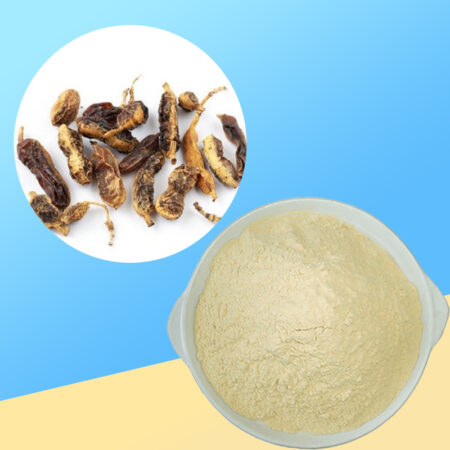
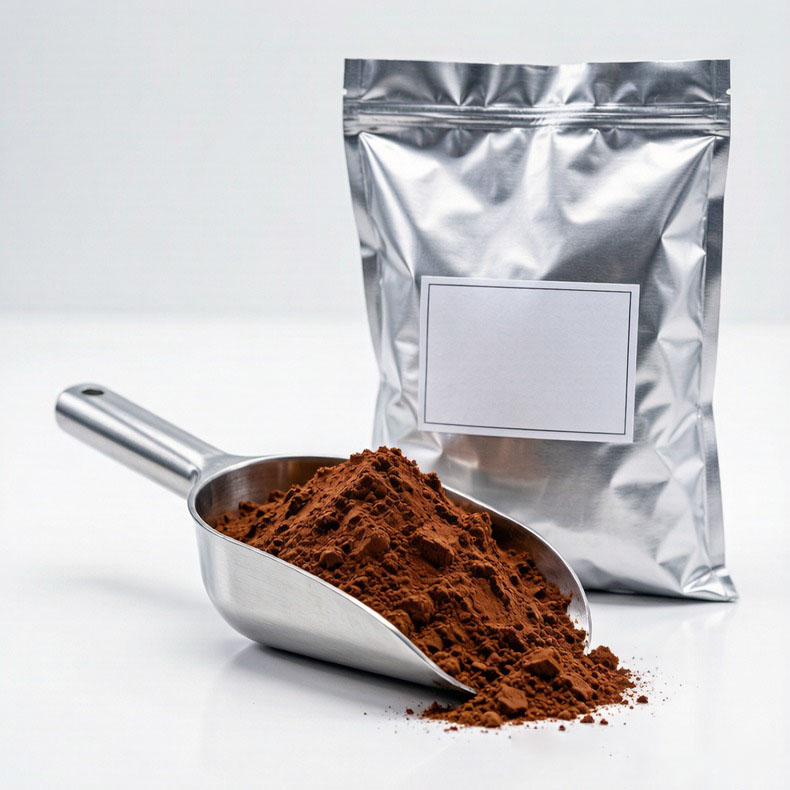
| Appearance | Fine powder, reddish-brown to light brown |
| Odor & Taste | Characteristic astringent, slightly bitter taste |
| Solubility | Readily soluble in water and ethanol; slightly soluble in ethyl acetate |
| Shelf Life | 24 months under proper storage conditions |
| Storage | Cool, dry place (15°C–25°C), away from heat, light, and moisture |
Application
Dietary Supplements & Nutraceuticals
Pine bark extract is a cornerstone antioxidant ingredient in the dietary supplement industry. It is formulated into capsules, softgels, tablets, and powders for cardiovascular, skin, cognitive, joint, and sports nutrition applications. The standard supplement dose is 50–200 mg/day of a ≥95% OPC extract. It is highly compatible with synergistic ingredients including vitamin C, resveratrol, coenzyme Q10, L-arginine, omega-3 fatty acids, and hyaluronic acid.
Cosmetics & Personal Care
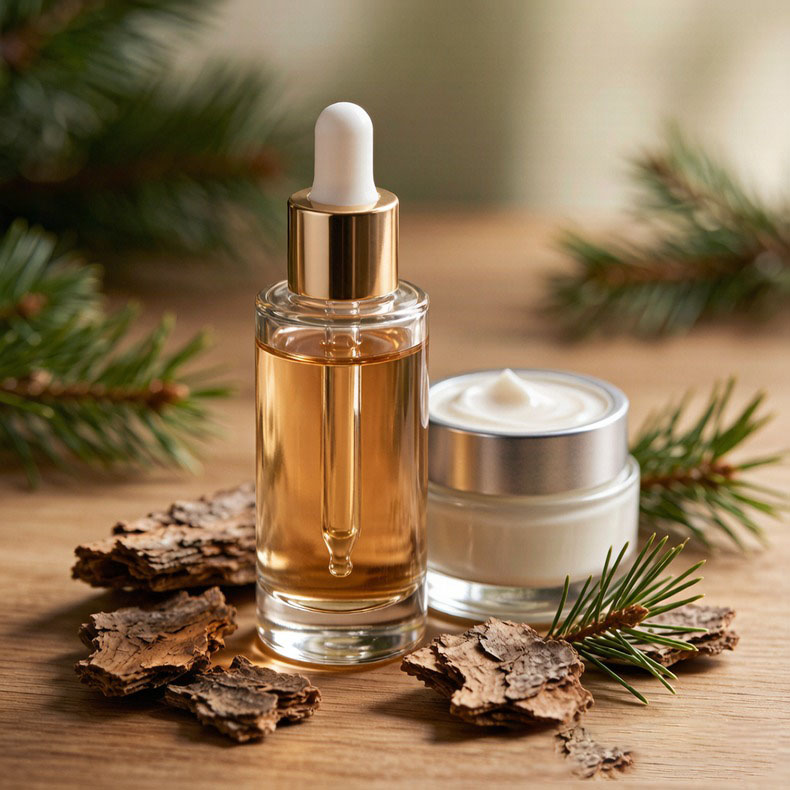
Pine bark extract is widely formulated in premium anti-aging skincare products including serums, moisturizers, eye creams, face masks, and sunscreens. Its collagen-protecting, antioxidant, and anti-inflammatory properties make it one of the most effective botanical actives for skin aging, hyperpigmentation, and sensitive/reactive skin conditions. Typical use levels in cosmetic formulations: 0.1%–2.0% for powders; 0.5%–5.0% for liquid extracts. Compatible with hyaluronic acid, vitamin C, niacinamide, and peptide formulations.
FAQ
Q: What is the difference between Pine Bark Extract, Pycnogenol®, and Grape Seed Extract?
A: All three are rich sources of oligomeric proanthocyanidins (OPCs), but they differ in source, composition, and price. Pycnogenol® is a proprietary registered trademark extract from French maritime pine (Pinus pinaster) grown in Les Landes, France — it has the largest clinical trial database (300+ studies). Pine bark extract (CAS 133248-87-0) has an equivalent chemical composition to Pycnogenol® and similar clinical utility at a significantly lower cost. Grape seed extract is derived from Vitis vinifera seeds and typically has a slightly higher OPC content but a different procyanidin distribution with less clinical research specifically supporting the wide range of health claims established for pine bark. For most commercial formulations, pine bark extract CAS 133248-87-0 offers the optimal balance of clinical evidence, market positioning, and cost.
Q: What OPC percentage should I choose for my supplement formulation?
A: 95% OPC (Premium Grade) is the standard for dietary supplement capsules and tablets targeting cardiovascular, skin, and cognitive health. 80% OPC (Standard Grade) is suitable for cost-sensitive formulations and functional food applications. 98% OPC (Ultra-Pure Grade) is recommended for pharmaceutical-grade products and clinical nutrition applications where maximum purity documentation is required. We provide formulation guidance on which grade best fits your product positioning, target dose, and cost structure.
Q: Can pine bark extract be used topically in cosmetic formulations?
A: Yes. Pine bark extract is an excellent topical cosmetic ingredient. It provides antioxidant protection against UV-induced skin damage, inhibits matrix metalloproteinases (MMPs) that break down collagen, reduces inflammation, and inhibits tyrosinase (providing mild skin brightening). For topical use, we recommend our cosmetic grade (low odor, ≥80% OPC) at 0.5%–2.0% in formulations. It is compatible with vitamin C, niacinamide, hyaluronic acid, peptides, and retinol formulations. Stability is enhanced in formulations with pH 4.5–6.5 and UV-protective packaging.
Q: What is the recommended daily dose for cardiovascular health?
A: Clinical studies supporting cardiovascular health benefits (blood pressure reduction, endothelial function improvement, platelet aggregation inhibition) have typically used doses of 100–200 mg/day of standardized pine bark extract (≥95% OPC). For blood pressure support specifically, a dose of 125–150 mg/day has shown consistent results in meta-analyses. Onset of measurable effects typically occurs within 4–8 weeks of daily supplementation.
Q: How does pine bark extract compare to Pycnogenol® in terms of efficacy?
A: Pine bark extract with equivalent OPC composition (≥95%, similar procyanidin profile) has demonstrated equivalent bioavailability and antioxidant activity in comparative studies. The clinical evidence base for Pycnogenol® (300+ RCTs) is the most extensive, but the active compounds responsible for its effects (OPCs, particularly procyanidin B2 and catechin) are present in equivalent concentrations in our standardized pine bark extract. For B2B formulators, our product provides a cost-effective route to position products with comparable bioactive profiles.
Q: Is pine bark extract compatible with medications?
A: Pine bark extract may have additive effects with antiplatelet medications (aspirin, clopidogrel), anticoagulants (warfarin), antihypertensives, and hypoglycemic medications due to its platelet inhibitory, vasodilatory, and blood glucose-lowering properties. We recommend that consumers using prescription medications consult their healthcare provider before supplementing. This information should be disclosed in product labeling.