Product Introduction
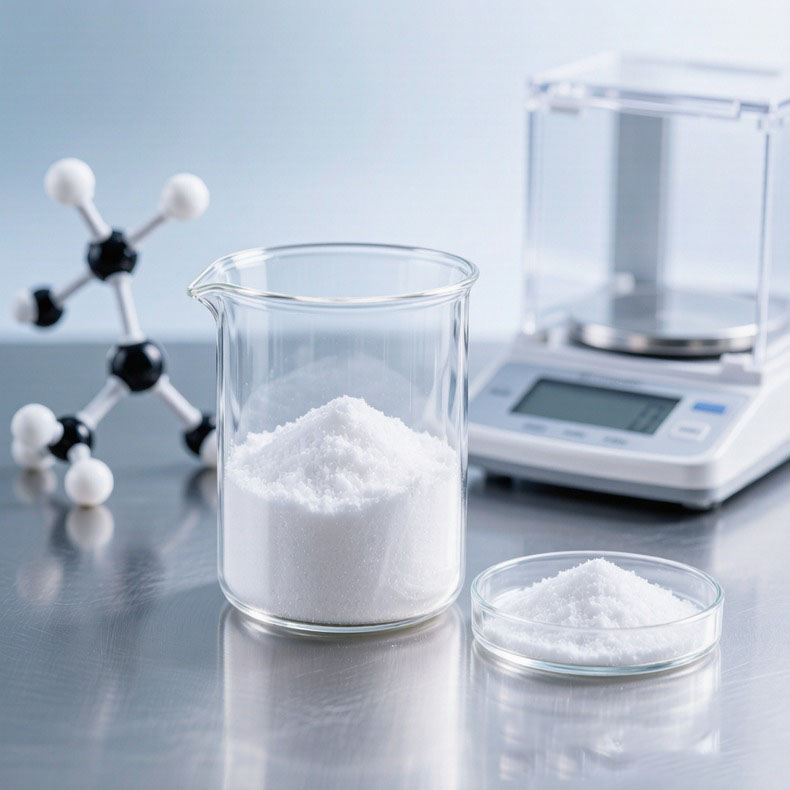
Sucralose is a zero-calorie, high-intensity artificial sweetener made from sucrose (table sugar) through a selective chlorination process. It is approximately 600 times sweeter than sucrose, allowing manufacturers to achieve the same sweetness level with dramatically reduced quantities. Unlike many other sweeteners, sucralose retains excellent sweetness stability across a wide pH range (3–9) and at temperatures up to 120°C, making it suitable for baking, canning, and UHT processing applications.
First approved in Canada in 1991 and by the US FDA in 1998, sucralose is now approved in more than 80 countries and is one of the most widely used high-intensity sweeteners globally. Its unique organoleptic profile — clean, sugar-like sweetness with virtually no aftertaste — makes it the preferred sweetener in premium food, beverage, and pharmaceutical applications.
Product Identification
| Parameter | Details |
| Chemical Name | Sucralose |
| IUPAC Name | 1,6-Dichloro-1,6-dideoxy-β-D-fructofuranosyl-4-chloro-4-deoxy-α-D-galactopyranoside |
| CAS Number | 56038-13-2 |
| EC Number | 259-952-2 |
| E Number | E955 |
| INS Number | INS 955 |
| Molecular Formula | C₁₂H₁₉Cl₃O₈ |
| Molecular Weight | 397.63 g/mol |
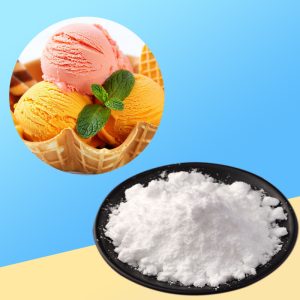
| Appearance | White to off-white crystalline powder |
| Odor | Odorless |
| Solubility | Freely soluble in water, methanol, ethanol |
| Sweetness Potency | ~600× sweeter than sucrose |
| Caloric Value | 0 kcal/g |
| Glycemic Index (GI) | 0 |
| Stability (pH) | Stable at pH 3–9 |
| Heat Stability | Stable up to 120°C; suitable for baking |
Applications
Beverages
- Carbonated soft drinks (CSDs) — cola, lemon-lime, fruit flavors
- Still beverages — flavored water, iced tea, lemonade
- Sports and energy drinks — electrolyte and performance formulas
- Juice drinks — reduced-calorie fruit beverages
- Ready-to-drink (RTD) coffee and tea
- Powdered beverage mixes — single-serve sachets
- Protein shakes and meal replacement drinks
- Nutritional supplements dissolved in water
- Alcoholic beverages — zero-sugar mixers and hard seltzers
- Infant and toddler drinks — where permitted by regulation
Bakery & Confectionery
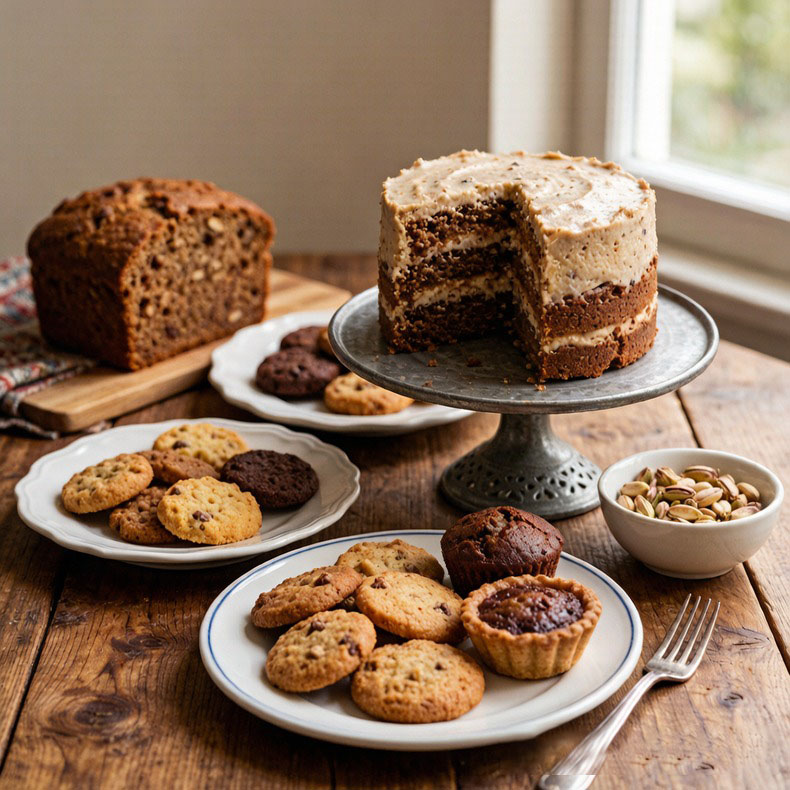
- Sugar-free cookies, biscuits, and crackers
- Reduced-calorie cakes and muffins
- No-added-sugar chocolate and candy bars
- Chewing gum — sugarless gum base formulations
- Hard candy and throat lozenges
- Frosting, glazes, and icings
- Jam and jelly (reduced-sugar, no-sugar-added)
- Cereal bars and granola with sucralose blends
FAQ
Q1: Is sucralose safe for people with diabetes?
Yes. Sucralose has a glycemic index of zero and does not raise blood glucose or insulin levels. Multiple clinical studies confirm its safety for individuals with type 1 and type 2 diabetes. It is widely used in diabetic-friendly food and beverage formulations worldwide.
Q2: What is the difference between sucralose and sugar?
Sucralose is derived from sucrose (table sugar) via selective chlorination but behaves very differently. It is approximately 600× sweeter, contains zero calories, is not metabolized by the body, and does not cause dental caries. Unlike sugar, sucralose is stable at high temperatures and across a wide pH range.
Q3: Can sucralose be used in baking and cooking?
Yes. Sucralose is one of the few high-intensity sweeteners that is heat-stable up to 120°C, making it suitable for baking, canning, and pasteurization. However, because sucralose does not provide the bulk or browning reactions of sugar, it is often combined with bulking agents such as maltodextrin, erythritol, or inulin in sugar-free baking applications.
Q4: How does sucralose compare to aspartame?
Sucralose is significantly more heat-stable than aspartame, which degrades at temperatures above 75°C and is therefore unsuitable for baking. Sucralose also has no association with phenylalanine (relevant to PKU patients), is more pH-stable, and has a longer shelf life in finished products. Both are approved, zero-calorie sweeteners, but sucralose is generally preferred for hot applications.
Q5: What is the recommended daily intake (ADI) of sucralose?
The Acceptable Daily Intake (ADI) established by JECFA (WHO/FAO) is 0–15 mg/kg body weight per day. For a 70 kg adult, this equals 1,050 mg/day — far more than would typically be consumed even with high dietary exposure to sucralose-containing products.
Q6: Is your sucralose KOSHER and HALAL certified?
Yes. Our sucralose holds both KOSHER (Pareve) and HALAL certifications from internationally recognized certifying bodies. Certificates are available upon request alongside our Certificate of Analysis (COA), MSDS, and Product Specification Sheet.