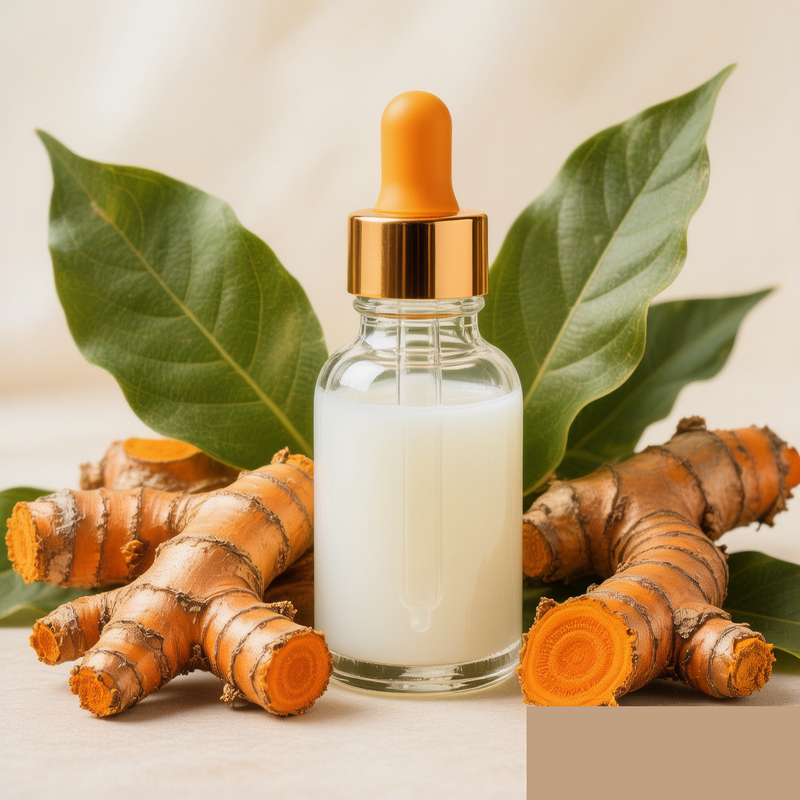
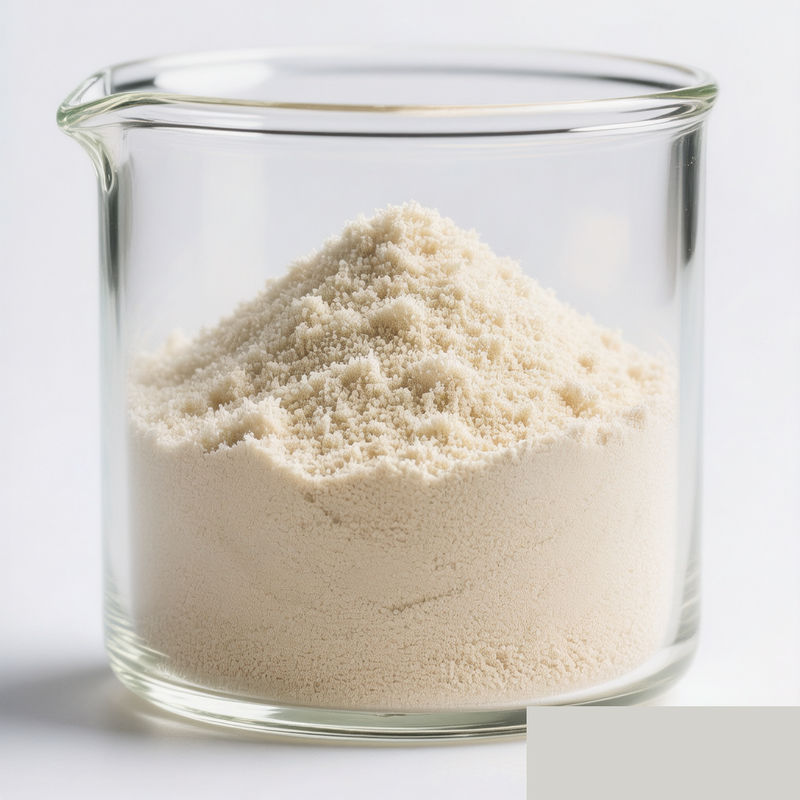
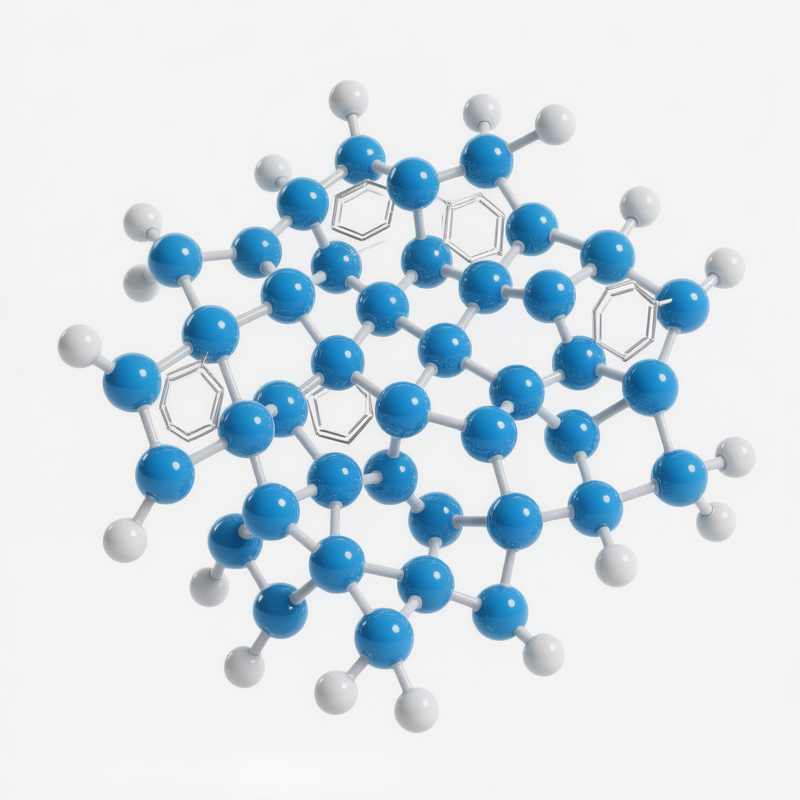
Tetrahydrocurcumin (THC), chemically known as 1,7-Bis(4-hydroxy-3-methoxyphenyl)heptane-3,5-dione, is the primary active metabolite of curcumin — the golden pigment found in turmeric (Curcuma longa). Unlike curcumin, THC lacks the α,β-unsaturated carbonyl moiety, rendering it a colorless (white to off-white) powder with dramatically improved stability, bioavailability, and water solubility.
As a next-generation bioactive ingredient, Tetrahydrocurcumin exhibits potent tyrosinase inhibition — surpassing arbutin in skin-whitening efficacy — along with outstanding antioxidant, anti-inflammatory, and anti-aging properties. It is rapidly gaining traction in the cosmetics, nutraceutical, and pharmaceutical sectors as a superior alternative to both curcumin and traditional depigmenting agents.
1 kg / aluminum foil bag; 25 kg / fiber drum (custom available)
6. Efficacy & Applications
6.1 Key Benefits
Superior Skin Whitening: Strong tyrosinase inhibition — more effective than arbutin. Reduces melanin synthesis and fades hyperpigmentation, dark spots, and melasma.
Powerful Anti-inflammatory: Inhibits LPS-induced iNOS and COX-2 expression; reduces TNF-α release; concentration-dependent suppression of NO and IL-6 production.
Anti-cancer research (anti-angiogenic), neuroprotection, anti-diabetic & vascular health agents
6.3 Recommended Usage Levels
Product Type
Recommended Concentration
Leave-on cosmetics (serums, creams)
0.1% – 1.0%
Rinse-off products (cleansers, masks)
0.5% – 2.0%
Dietary supplements
Follow applicable regulations
Optimal Formulation pH
5.0 – 7.0
7. Tetrahydrocurcumin vs. Curcumin — Comparison
Dimension
Tetrahydrocurcumin (THC)
Curcumin
CAS Number
36062-04-1
458-37-7
Chemical Feature
No α,β-unsaturated carbonyl (reduced)
Contains conjugated double bonds
Color
White / Off-white / Colorless
Golden yellow (strong pigment)
Water Solubility
Superior
Poor (nearly insoluble)
Chemical Stability
Excellent
Moderate; degrades at alkaline pH
Bioavailability
Superior (better absorption)
Low (poorly absorbed)
Skin Whitening
Strong tyrosinase inhibition (> arbutin)
Not a primary skincare use
Antioxidant
Potent (DPPH EC₅₀ = 16.8 μM)
Potent; some assays stronger
Anti-inflammatory
Inhibits iNOS, COX-2, TNF-α, IL-6
Also anti-inflammatory
Cosmetic Suitability
Excellent — colorless, non-staining
Limited — stains yellow
Market Positioning
Premium bioactive for cosmetics & pharma
Food colorant & supplement
Relative Cost
Higher (specialized production)
Lower (commodity)
8. Product Advantages (Selling Points)
Colorless & Non-staining: Unlike curcumin, THC is white/colorless — perfect for transparent and light-colored cosmetic formulations without the golden-yellow staining issues.
Superior Stability: The reduced chemical structure (no conjugated double bonds) provides excellent resistance to pH, light, and oxidation degradation.
Better Bioavailability: Enhanced absorption and metabolic stability compared to curcumin, delivering more active compound to target sites.
Multi-functional Bioactivity: Simultaneously delivers whitening, anti-aging, antioxidant, and anti-inflammatory benefits — reducing the need for multiple ingredients.
Proven Safety Profile: Well-tolerated in recommended concentrations; REACH registered; non-cytotoxic at effective doses.
Growing Market Demand: Global THC market valued at ~US$ 7 million (2024), projected to grow at CAGR 5–7% driven by clean beauty and natural ingredient trends.