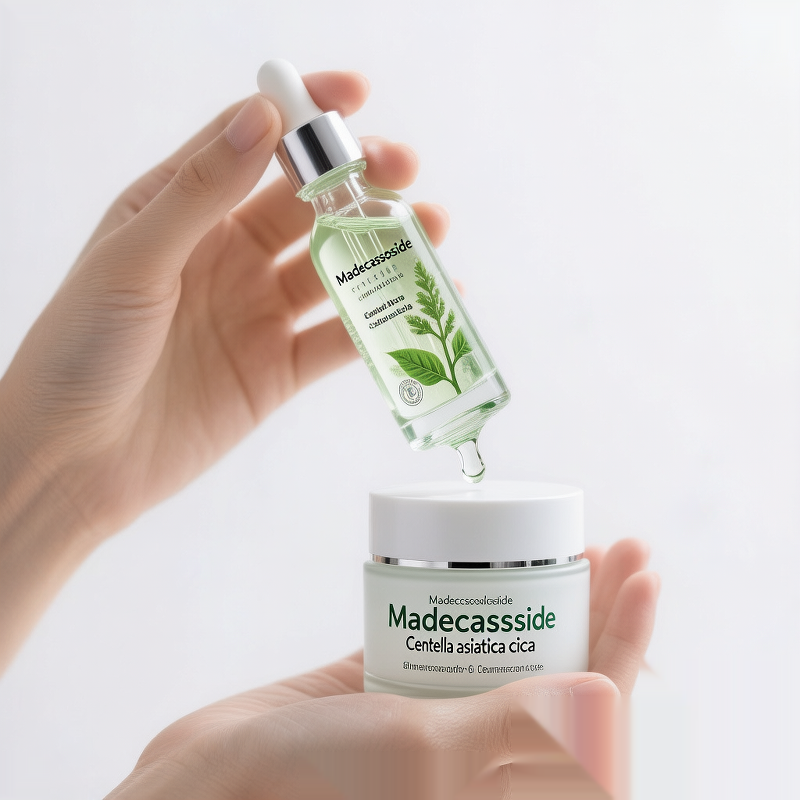
1. Product Overview
Madecassoside (also known as Asiaticoside A) is a pentacyclic triterpene saponin naturally derived from Centella asiatica (Gotu Kola), a traditional medicinal plant with centuries of documented use in wound healing and skin regeneration across Asian cultures.
As one of the primary bioactive compounds found in Centella asiatica extracts, Madecassoside has gained significant attention in the cosmetics and pharmaceutical industries due to its exceptional anti-inflammatory, antioxidant, and skin-repairing properties. It is widely recognized as a premium active ingredient for “cica” skincare formulations targeting sensitive skin, acne-prone complexions, and post-procedure recovery.
TAIMA supplies high-purity Madecassoside powder (≥98% HPLC) suitable for cosmetic, nutraceutical, and pharmaceutical applications, backed by rigorous quality control and international certifications including ISO9001, ISO14001, KOSHER, HALAL, and Eurofins analysis.
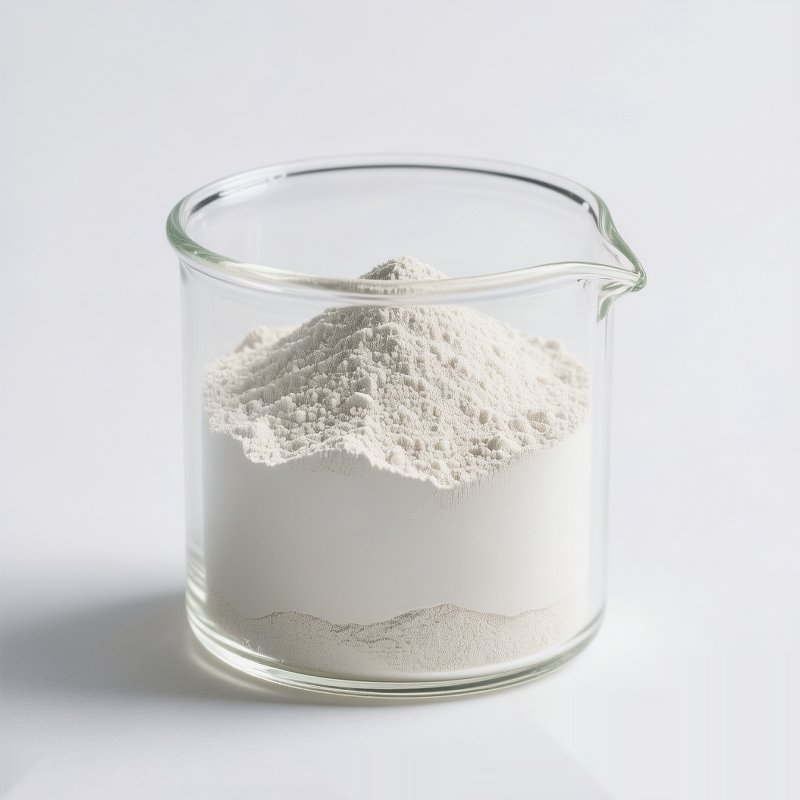
3. Basic Identification
| Property | Value |
| Chemical Name | Madecassoside |
| Synonyms | Asiaticoside A; Madecoside; RederMic; Hydroxyasiaticoside (Chinese: 羟基积雪草苷 / 羟基积雪草甙) |
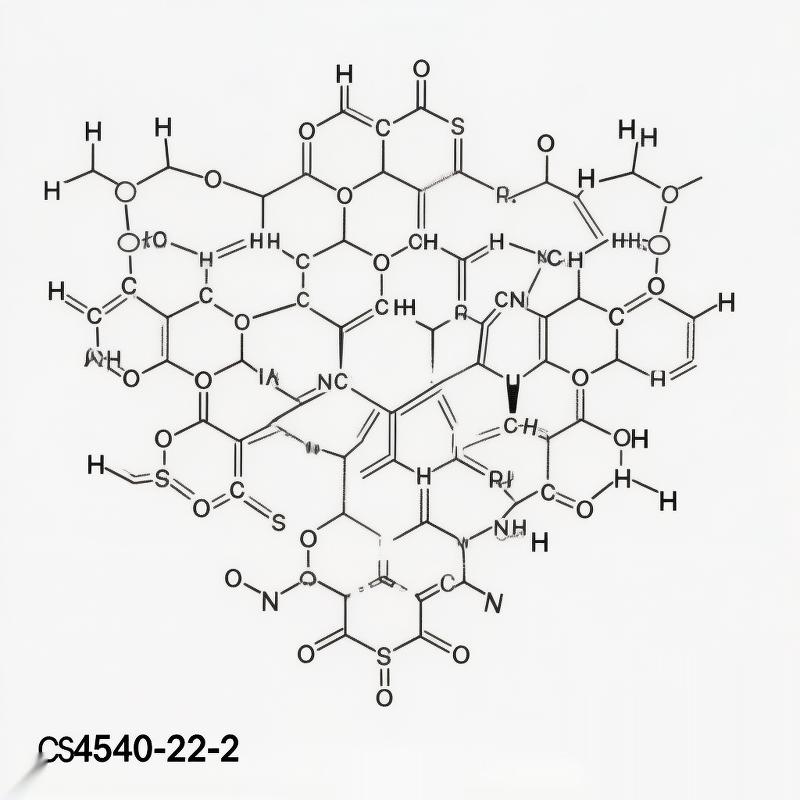
| CAS Number | 34540-22-2 |
| Molecular Formula | C48H78O20 |
| Molecular Weight | 975.12 g/mol |
| IUPAC Name | 6-O-[4-O-(6-deoxy-alpha-L-mannopyranosyl)-beta-D-glucopyranosyl]- 1-O-[(2alpha,3beta,4beta,6beta,9alpha,14beta)- 2,3,6,23-tetrahydroxy-28-oxours-12-en-28-yl]-beta-D-glucopyranose |
| InChIKey | BNMGUJRJUUDLHW-CIZDPPTDSA-N |
| UNII (FDA) | CQ2F5O6YIY |
| MDL Number | MFCD03411893 |
| HS Code | 29389090 |
4. Physicochemical Properties
| Property | Value |
| Appearance | White to off-white crystalline powder |
| Melting Point | 220–223 °C |
| Boiling Point | 1043.6 ± 65.0 °C (predicted) |
| Density | 1.47 ± 0.1 g/cm³ (predicted) |
| Refractive Index | ~1.637 (predicted) |
| LogP | -1.338 (estimated) |
| pKa | 12.50 ± 0.70 (predicted) |
| Polar Surface Area (PSA) | 335.44 Ų |
| Flash Point | 295.8 ± 27.8 °C (predicted) |
| Vapor Pressure | ~0.0 mmHg at 25 °C |
| Stability | Hygroscopic — requires sealed storage |
5. Solubility Profile
| Solvent | Solubility |
| Water (H₂O) | Soluble at ~1 mg/mL; clear, colorless solution |
| Ethanol (EtOH) | ~5 mg/mL |
| DMSO | ~10 mg/mL |
| DMF (N,N-Dimethylformamide) | ~25 mg/mL |
Note: Madecassoside exhibits good water solubility compared to many triterpenoid saponins, making it particularly suitable for aqueous cosmetic formulations such as toners, essences, serums, and hydrogel masks.
6. Technical Specifications
| Specification Item | Standard |
| Product Name | Madecassoside |
| Source Plant | Centella asiatica (L.) Urb. |
| Appearance | White to off-white powder |
| Identification | Conforms to reference standard (HPLC/TLC) |
| Assay (HPLC) | ≥98.0% |
| Loss on Drying | ≤5.0% |
| Residue on Ignition | ≤0.5% |
| Heavy Metals | ≤10 ppm |
| Arsenic (As) | ≤1 ppm |
| Microbial Count | <100 CFU/g (total aerobic) <10 CFU/g (yeast & mold) |
| Particle Size | 80–200 mesh (customizable) |
| Storage Condition | Sealed, 2–8°C, protected from light |
| Shelf Life | 24 months from manufacture date |
| Package | 1 kg/25 kg aluminum foil bag or drum |
7. Efficacy & Applications
7.1 Key Biological Activities
Anti-inflammatory: Inhibits pro-inflammatory mediators (COX-2, PGE2) through the cMET-PKC-ERK1/2 signaling cascade. Significantly reduces TNF-α, IL-1β, and IL-6 expression.
Wound Healing & Scar Management: Promotes fibroblast proliferation, collagen synthesis (Type I & III), and extracellular matrix remodeling. Clinically effective for post-surgical scar reduction and burn wound repair.
Antioxidant: Scavenges free radicals and upregulates endogenous antioxidant enzymes (SOD, CAT). Protects keratinocytes from UV-induced oxidative damage.
Skin Barrier Repair: Enhances ceramide synthesis and strengthens stratum corneum integrity. Ideal for compromised/sensitive skin barrier restoration.
Anti-aging: Activates AMPK pathway, promoting cellular autophagy and metabolic health. Reduces MMP-1 expression to preserve collagen integrity.
Soothing & Calming: Rapidly relieves redness, itching, and irritation caused by environmental stressors, chemical treatments, or dermatological procedures.
7.2 Application Fields
| Category | Applications |
| Cosmetics | Cica creams, soothing serums, barrier-repair essences, acne treatment products, sun-after-care formulas, sensitive skin care lines, sheet masks |
| Pharmaceuticals | Topical wound-healing ointments, scar-reduction gels, anti-psoriasis preparations, burn treatment adjuncts |
| Nutraceuticals | Oral supplements for skin health, anti-inflammatory dietary supplements (capsules, tablets) |
8. Madecassoside vs. Asiaticoside
Both Madecassoside and Asiaticoside are major triterpene saponins extracted from Centella asiatica, but they differ structurally and functionally:
| Feature | Madecassoside (34540-22-2) | Asiaticoside (16830-15-2) |
| Sugar Moiety | Glucose + Rhamnose (disaccharide chain) | Glucose + Glucose (glucoside chain) |
| Aglycone Core | Asiatic acid derivative | Asiatic acid derivative |
| Molecular Weight | 975.12 g/mol | 959.11 g/mol |
| Anti-inflammatory Potency | ★★★★★ Stronger | ★★★☆☆ Moderate |
| Wound Healing Speed | ★★★★★ Faster collagen induction | ★★★☆☆ Good but slower |
| Skin Soothing Effect | ★★★★★ Superior calming action | ★★★☆☆ Moderate |
| Solubility in Water | Higher solubility | Moderate solubility |
| Price Range | Premium tier ($200–600/kg) | Mid-tier ($50–150/kg) |
| Popularity Trend | Fastest-growing cica ingredient | Classic, well-established |
9. TAIMA Advantages
✅ High purity: ≥98% by HPLC, consistent batch-to-batch quality
✅ Natural source: Derived from premium Centella asiatica cultivation
✅ Full traceability: Complete documentation from raw material to final product
✅ International certifications: ISO9001, ISO14001, KOSHER, HALAL
✅ Third-party testing: Eurofins analytical reports available
✅ Customizable specifications: Particle size, purity grade, packaging options
✅ Bulk supply capacity: Kilogram to metric-ton scale production
✅ Global shipping: Experienced in exporting to 50+ countries worldwide
10. Market Outlook
The global Centella asiatica extract market is experiencing robust growth:
| Metric | Data |
| Global Centella Extract Market Size (2024) | $1.8 billion USD |
| Projected Market Size (2033) | $3.7 billion USD |
| CAGR (2024–2033) | ~7.4% |
| Cosmetic-grade Segment CAGR | 8.9% (2025–2035) |
| Key Growth Driver | “Clean Beauty” & “K-Beauty” trends; cica ingredient popularity surge |
| Major Markets | East Asia (China, Korea, Japan), North America, Europe (EU), Southeast Asia |
| Top Application Segments | Facial serums (35%), Creams (28%), Masks (18%), Others (19%) |
The “cica” trend has transformed Madecassoside from a niche pharmaceutical excipient into a mainstream cosmetic powerhouse. Driven by K-Beauty influence and increasing consumer awareness of natural ingredients, demand for high-quality Madecassoside continues to outpace supply, creating significant opportunities for reliable manufacturers.
11. Safety Information
| Item | Details |
| Hazard Classification (EU) | Xn (Harmful) |
| Safety Statements (EU) | S24/25 — Avoid contact with skin and eyes |
| WGK Germany | 3 (High hazard to water) |
| RTECS Number | YU9555000 / YU9625000 |
| Transport Classification | NONH (Not dangerous goods) |
| Storage Temperature | 2–8°C (refrigerated) |
| Storage Precaution | Keep tightly closed; protect from moisture and light; hygroscopic material |
| First Aid – Eye Contact | Flush thoroughly with water for at least 15 minutes; seek medical attention if irritation persists |
| First Aid – Skin Contact | Wash with soap and water; remove contaminated clothing |
| First Aid – Ingestion | Rinse mouth; do NOT induce vomiting; seek medical help |