Glabridin CAS:59870-68-7

1. Product Overview

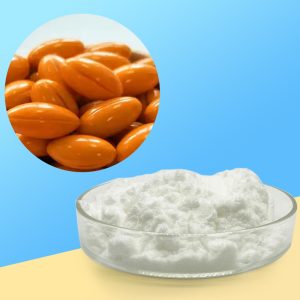
glabridin-59870-68-7 is the most potent natural skin-brightening active extracted from Glycyrrhiza glabra L. licorice root, known globally as whitening gold in cosmetics. TAIMA supplies premium glabridin-59870-68-7 powder at ≥98% HPLC purity with full analytical documentation.

──────────────────────────────────────────────────────────────────────

ParameterSpecification
Product NameGlabridin
CAS Number59870-68-7
EINECS Number611-908-7
Molecular FormulaC₂₀H₂₀O₄
Molecular Weight324.37 g/mol
Botanical SourceGlycyrrhiza glabra L. (Licorice Root)
Chemical ClassIsoflavonoid / Hydroxyisoflavan
SynonymsGlabridine; (R)-4-(3,4-Dihydro-8,8-dimethyl-2H,8H-benzo[1,2-b:3,4-b’]dipyran-3-yl)-1,3-benzenediol
MDL NumberMFCD03427694
FDA UNIIHOC5567T41
HS Code29329990

2. Physicochemical Properties

──────────────────────────────────────────────────────────────────────

PropertyValue
AppearanceWhite to light brown powder
Melting Point154–155 °C
Boiling Point518.6 ± 50.0 °C (Predicted)
Density1.257 ± 0.06 g/cm³ (Predicted)
Flash Point267 °C
LogP4.260 (estimated)
pKa9.66 ± 0.40 (Predicted)
Storage TemperatureRoom temperature
StabilityHygroscopic; store in sealed container

3. Solubility Profile

──────────────────────────────────────────────────────────────────────

SolventSolubility
DMSOSoluble ≥5 mg/mL (clear, warmed)
EthanolFreely soluble
Propylene GlycolSoluble
1,3-ButanediolSoluble
WaterPractically insoluble

4. Technical Specifications (TAIMA Standard)

──────────────────────────────────────────────────────────────────────

ParameterSpecification
Assay (HPLC)≥98.0%
AppearanceWhite to light brown fine powder
OdorCharacteristic
Loss on Drying≤5.0%
Heavy Metals≤10 ppm
Lead (Pb)≤2 ppm
Arsenic (As)≤1 ppm
Mercury (Hg)≤0.5 ppm
Cadmium (Cd)≤1 ppm
Total Plate Count≤1,000 CFU/g
Yeast & Mold≤100 CFU/g
E. coliNegative
SalmonellaNegative
Staphylococcus aureusNegative
Particle Size95% through 80 mesh
Shelf Life24 months (properly stored)

5. Efficacy & Applications

──────────────────────────────────────────────────────────────────────

Glabridin’s multi-target bioactivities position it as one of the most versatile natural active ingredients in cosmetic and pharmaceutical formulations:

6.1 Skin Brightening / Whitening

Glabridin is a potent, reversible tyrosinase inhibitor, blocking both monophenolase and diphenolase activities with an IC50 of approximately 0.43 µM. It outperforms common skin-lightening agents including kojic acid (16× more potent) and arbutin. Unlike hydroquinone, Glabridin does not cause permanent depigmentation or cytotoxicity to melanocytes at effective doses. Typical use levels: 0.1%–0.5% in cosmetic formulations.

6.2 Anti-Inflammatory Activity

Glabridin suppresses COX-2 expression and prostaglandin synthesis, inhibits NF-κB activation, and downregulates pro-inflammatory cytokines (TNF-α, IL-1β, IL-6). It also reduces iNOS expression, making it highly effective for post-inflammatory hyperpigmentation and sensitive skin conditions.

6.3 Antioxidant Protection

As a potent free radical scavenger, Glabridin protects cell membranes from lipid peroxidation and reduces UV-induced oxidative stress. Its antioxidant activity complements its skin-brightening effects by inhibiting UV-triggered melanogenesis pathways. Glabridin’s radical-scavenging capacity is comparable to vitamin E.

6.4 Anti-Aging Benefits

Glabridin protects against UVB-induced photoaging by reducing matrix metalloproteinase (MMP) expression and preserving collagen integrity. Combined with its antioxidant and anti-inflammatory properties, Glabridin provides comprehensive anti-aging support in serums, creams, and sun care products.

6.5 Antimicrobial & Additional Benefits

Glabridin demonstrates antimicrobial activity against various pathogens and has been studied for hepatoprotective, cardioprotective, and metabolic health benefits in nutraceutical applications. It also shows potential in hair care formulations for scalp health and anti-dandruff products.

6.6 Application Matrix

CategoryProduct TypesRecommended Level
Skin BrighteningSpot correctors, brightening serums, whitening creams, BB/CC creams0.1–0.5%
Anti-AgingAnti-aging serums, eye creams, night repair treatments0.1–0.3%
Sun CareSunscreens, after-sun lotions, UV protection sprays0.1–0.3%
Sensitive SkinCalming creams, post-procedure recovery balms0.1–0.2%
Anti-AcneAcne spot treatments, oil-control serums0.1–0.3%
Hair CareAnti-dandruff shampoos, scalp serums0.05–0.2%
NutraceuticalsDietary supplements, functional beveragesAs per formulation

7. Glabridin vs. Other Skin-Brightening Agents

──────────────────────────────────────────────────────────────────────

AgentTypeTyrosinase IC50Key FeaturesLimitations
GlabridinNatural (Licorice)~0.43 µMMost potent natural inhibitor; multi-functional (antioxidant, anti-inflammatory); non-cytotoxicHigher cost; limited water solubility
Kojic AcidFungal metabolite~7.0 µMWidely used; cost-effective; well-studiedUnstable; potential skin irritation and sensitization; instability in formulations
Arbutin (α/β)Natural/Semi-synthetic~5–10 mM (β-arbutin)Mild; stable; widely accepted; safe profileSlower action; significantly less potent; requires higher concentrations
HydroquinoneSyntheticN/A (direct melanocyte toxicity)Gold standard for efficacy; fast resultsBanned/restricted in many countries; cytotoxic; causes ochronosis with long-term use
Vitamin C (L-AA)Natural/SyntheticN/A (antioxidant mechanism)Potent antioxidant; stimulates collagen; brightens overall toneHighly unstable; pH-dependent; irritating at high concentrations
NiacinamideSynthetic (Vitamin B3)N/A (melanosome transfer inhibition)Multi-functional; well-tolerated; barrier repairModerate efficacy alone; slower visible results

8. Why Choose TAIMA Glabridin?

──────────────────────────────────────────────────────────────────────

AdvantageDetails
Premium Purity≥98% HPLC assay guaranteed with comprehensive certificate of analysis (COA) for each batch.
Global CertificationsISO9001:2015, ISO14001:2015, KOSHER, and HALAL certified — compliant with international regulatory requirements.
Rigorous Quality ControlFull analytical documentation: HPLC chromatograms, heavy metals testing, microbiological analysis, and residual solvent profiles.
Flexible PackagingAvailable from 1 kg R&D samples to commercial bulk orders. Custom packaging options upon request.
Supply Chain ReliabilityConsistent sourcing from premium licorice root with stable year-round supply. Dedicated account management for long-term partnerships.
Technical SupportFree formulation guidance, stability data, and regulatory documentation support for your product development needs.

9. Market Outlook

──────────────────────────────────────────────────────────────────────

The global Glabridin market was valued at approximately USD 50 million in 2024, with projections to reach USD 100 million by 2033, growing at a robust CAGR of 8.5%. Asia-Pacific leads regional demand, driven by the K-beauty and J-beauty markets’ strong consumer preference for natural skin-brightening ingredients.

Key market growth drivers include:

  • Rising consumer demand for natural, plant-derived skincare actives over synthetic alternatives
  • Increasing clinical evidence validating Glabridin’s multi-target skin benefits
  • Advancements in extraction technology (supercritical CO₂, green chemistry) improving yield and purity
  • Favorable regulatory landscape favoring natural bioactives in cosmetics (FDA, EFSA, CFDA)
  • Expanding applications beyond cosmetics into nutraceuticals, functional foods, and oral care
  • Growing clean beauty movement and “skinimalism” trend demanding fewer, more potent ingredients

The licorice extract segment — in which Glabridin is the star active — continues to see double-digit growth in prestige skincare lines globally. As regulatory restrictions on hydroquinone tighten worldwide, Glabridin is positioned as the premier natural replacement in high-end skin-brightening formulations.