Chondroitin Sulphate (CAS 9007-28-7) — Bulk Supply | Xi’an Taima Biological Co., Ltd.
Product Introduction
Chondroitin Sulphate (CS, CAS 9007-28-7) is a naturally occurring sulfated glycosaminoglycan (sGAG) that forms the structural backbone of articular cartilage and connective tissue throughout the body. As a major component of the proteoglycan aggrecan, chondroitin sulphate is essential for the mechanical resilience, water retention, and shock-absorbing capacity of cartilage. It exists naturally in the extracellular matrix of cartilage, bone, skin, cornea, and blood vessel walls.
Product Identification
| Parameter | Information |
| Product Name | Chondroitin Sulphate (Chondroitin Sulfate) |
| CAS Number | 9007-28-7 |
| EC Number | 232-696-9 |
| Chemical Class | Sulfated glycosaminoglycan (sGAG) |
| Molecular Formula (repeat unit) | (C14H21NO14S)n |
| Average Molecular Weight | 14,000–30,000 Da (commercial grade); MW varies by source |
| Primary Source | Bovine tracheal cartilage (Bos taurus) |
| Secondary Source | Porcine nasal cartilage, shark cartilage (marine) |
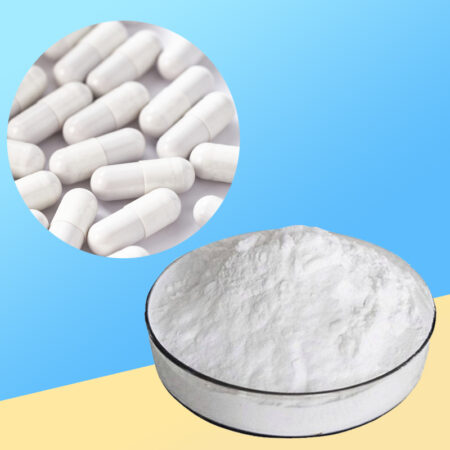
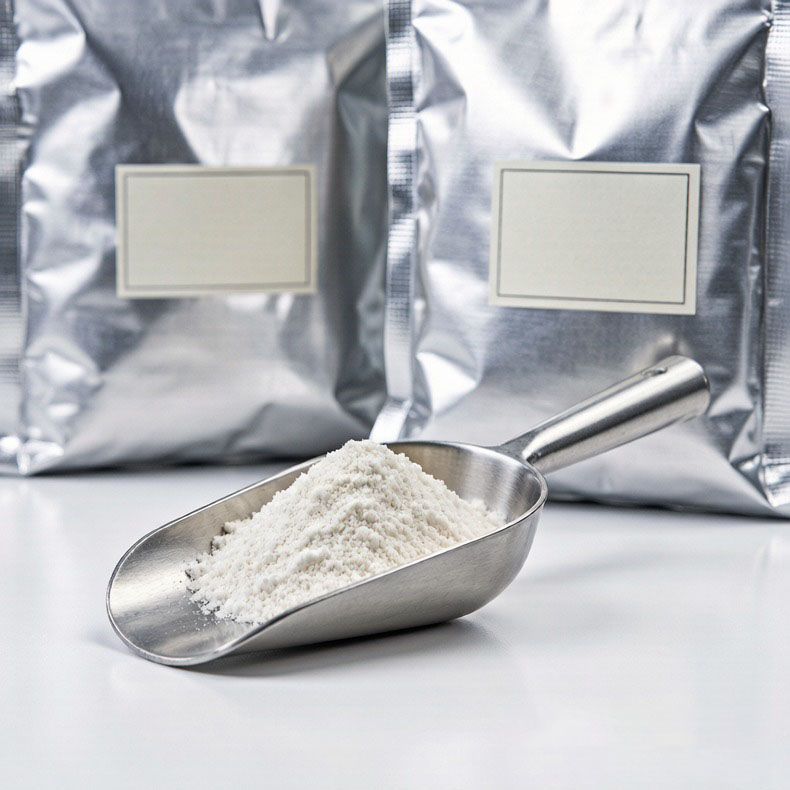
| Physical Appearance | White to off-white fine powder |
| Odor | Odorless to slightly characteristic |
| Solubility | Freely soluble in water; insoluble in ethanol, acetone |
| pH (1% solution) | 6.0–7.5 |
| Hygroscopicity | Hygroscopic — absorbs moisture; keep sealed |
| Storage Conditions | Cool, dry; below 25°C; humidity ≤60%; protect from moisture |
| Shelf Life | 24 months from manufacture date |
Applications
| Application | Product Forms | Typical Dosage | Recommended Grade |
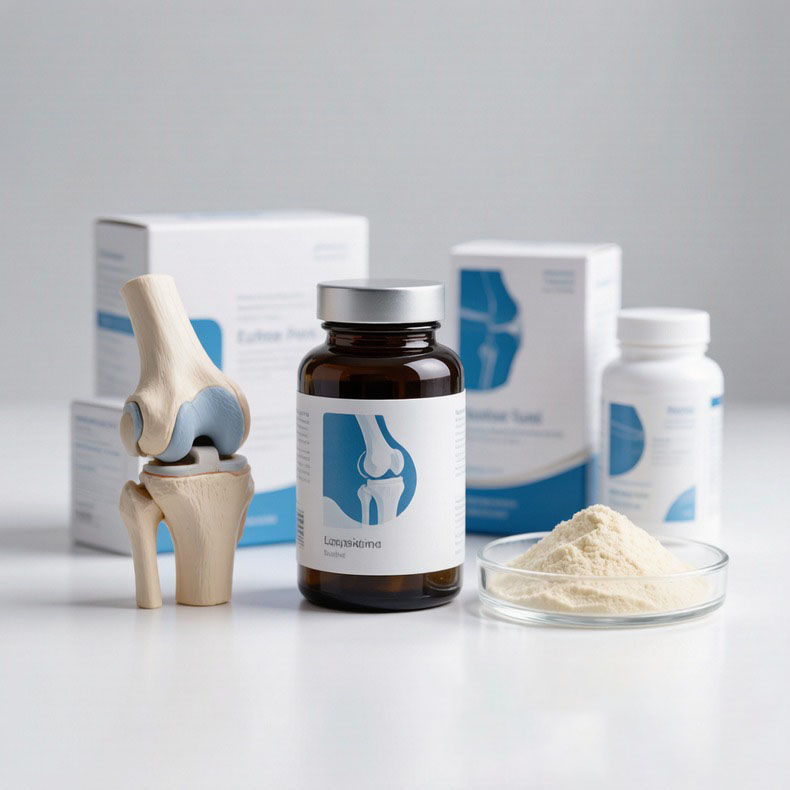
| Oral Supplements | Capsules, tablets, soft chews, powders, sachets | 800–1,200 mg/day CS (commonly 400–600 mg twice daily with meals) | CS-90 Bovine, CS-95 Pharma |
| Pharmaceutical OTC | Film-coated tablets, hard capsules, liquid formulations | 800–1,200 mg/day; single or divided doses | CS-95 Pharma (USP/EP/BP) |
| Injectable Pharmaceuticals | Sterile IV/IM injection solutions | Per clinical protocol; typically 100–400 mg/injection | CS-95 Pharma (pharmaceutical-grade) |
| Ophthalmic Solutions | Eye drops, artificial tear formulations | 0.5–2.0% CS in ophthalmic buffer solution | CS-95 Pharma (ultra-pure) |
| Topical Formulations | Creams, gels, joint patches, serums | 2–10% CS in topical base | CS-90 Food/Nutra |
| Pet & Veterinary | Dog/cat chews, pet tablets, veterinary supplements | Dogs: 200–500 mg/day (weight-dependent); Cats: 100–200 mg/day | CS-90 Bovine/Marine |
| Functional Foods | Fortified beverages, nutrition bars, dairy products | 200–400 mg per serving | CS-90 Food Grade |
| Wound Care / Medical Devices | Wound dressings, surgical meshes, tissue engineering | Per device formulation specifications | CS-95 Pharma |
FAQ
Q1: What is the difference between Chondroitin Sulphate 90% and 95%?
The percentage refers to the chondroitin sulphate content as measured by HPLC or pharmacopoeia-validated viscometry. CS-90% (≥90% purity) is the standard nutraceutical/food-grade specification, suitable for dietary supplements and functional foods. CS-95% (≥95% purity) is the pharmaceutical grade, compliant with USP, EP, and BP pharmacopoeias, used in prescription/OTC pharmaceutical products, injectables, and ophthalmic formulations. The higher-purity grade has lower protein content (≤1.0% vs ≤3.0%), lower ash, and tighter specifications across all parameters.
Q2: What is the recommended daily dose of Chondroitin Sulphate for joint health?
The clinically validated dose for osteoarthritis management is 800–1,200 mg of chondroitin sulphate per day, typically taken as 400–600 mg twice daily with meals. This dose range was used in the major clinical trials including GAIT, MOSAIC, and CONCEPT. It is commonly combined with glucosamine (1,500 mg/day HCl or sulfate). For preventive joint support or mild symptoms, 400–800 mg/day is often used. For pets: dogs typically receive 200–500 mg/day based on body weight (consult a veterinarian).
Q3: How does Chondroitin Sulphate compare to glucosamine for joint health?
CS and glucosamine work through complementary mechanisms and are clinically most effective when combined. Glucosamine is a precursor for glycosaminoglycan synthesis (building block effect), while CS works primarily by inhibiting cartilage-degrading enzymes (MMPs, ADAMTS) and suppressing NF-κB-driven inflammation. The landmark GAIT trial showed the combination was more effective than either alone for moderate-severe knee OA pain relief (combining 1,500 mg glucosamine + 1,200 mg CS). Most modern joint health supplements include both at their clinically studied doses.
Q4: What are the differences between bovine, porcine, and marine-sourced Chondroitin Sulphate?
Bovine CS (from cattle trachea) is the most researched source, with the largest body of clinical evidence. It predominantly contains CS-A (chondroitin-4-sulfate) and CS-C (chondroitin-6-sulfate). Porcine CS (from pig nasal cartilage/trachea) has a similar composition to bovine and is often used as a lower-cost alternative. Marine CS (shark/ray/squid fin cartilage) is the preferred option for halal compliance or BSE/TSE risk avoidance; it often has a higher proportion of CS-C and may contain unique sulfation patterns (CS-D, CS-E). Clinically, all sources have demonstrated comparable efficacy in head-to-head comparison studies.
Q5: Is Chondroitin Sulphate safe? Are there any contraindications?
Chondroitin sulphate has an excellent long-term safety record backed by decades of clinical use. The GAIT trial (4-year follow-up) confirmed a safety profile comparable to placebo. Known considerations: (1) Anticoagulant interaction: CS has mild anticoagulant properties; patients on warfarin or other blood thinners should monitor INR and consult their physician; (2) Shellfish allergy: Some CS preparations may be derived from marine sources — verify source with supplier for shellfish-allergic individuals; (3) Pregnancy/lactation: Insufficient safety data; use under medical supervision; (4) Diabetes: CS may slightly enhance insulin activity — diabetic patients should monitor blood glucose. No serious drug interactions documented at standard therapeutic doses.
Q6: What is BSE/TSE compliance and why is it important for bovine CS?
Bovine Spongiform Encephalopathy (BSE) and Transmissible Spongiform Encephalopathies (TSEs) are prion diseases that affected cattle populations in the 1980s–90s. Because chondroitin sulphate is extracted from bovine cartilage, regulatory authorities (particularly EU, FDA) require documentation confirming the source animals were BSE/TSE-free. Our bovine CS is sourced from cattle herds in BSE-controlled countries (China, certified farms), with animal health certificates, slaughter records, and EU Annex VI compliance documentation provided per batch. This is critical for EU pharmaceutical product registrations.