Sea Buckthorn Extract CAS :90106-68-6 | Premium Botanical Ingredient for Nutraceuticals, Cosmetics & Functional Foods
Product Introduction
Sea buckthorn (Hippophae rhamnoides) is a deciduous shrub native to the temperate and subarctic regions of Europe and Asia, prized for its bright orange-yellow berries. These berries are among the most nutritionally dense fruits on Earth, containing a rare and powerful combination of omega fatty acids (including the elusive omega-7), vitamins, antioxidants, and phytosterols. Sea buckthorn extract is derived from the whole berry, seed, or pulp through advanced solvent extraction or supercritical CO₂ extraction, preserving the full spectrum of bioactive compounds.
At Xi’an Taima Biological Co., Ltd., we produce high-quality sea buckthorn extract powder and oil standardized for key actives such as flavonoids (5%–20%), polyphenols, omega-7 palmitoleic acid, and natural vitamin C, meeting the rigorous demands of nutraceutical, cosmetic, and functional food manufacturers worldwide.
Product Identification
| Attribute | Detail |
| Product Name | Sea Buckthorn Extract / Hippophae rhamnoides Extract |
| CAS Number | 90106-68-6 |
| Botanical Name | Hippophae rhamnoides L. |
| Plant Part Used | Berry (whole fruit), Seed, or Pulp |
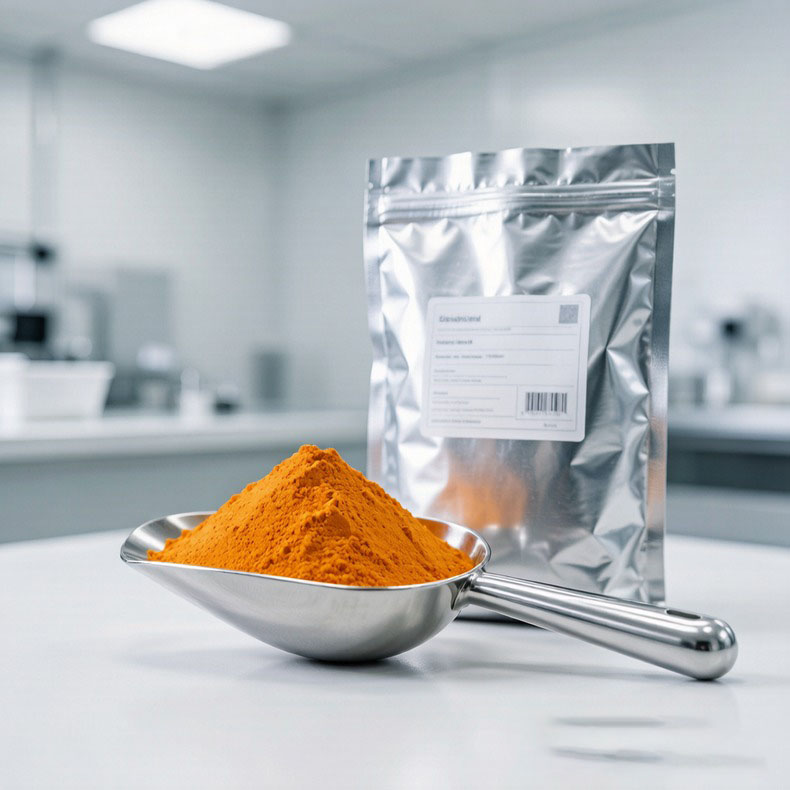
| Appearance | Fine powder, yellow-orange to brown; Oil: golden to reddish-orange liquid |
| Odor & Taste | Characteristic fruity aroma, slightly astringent taste |
| Active Compounds | Flavonoids, Omega-7, Vitamin C, Polyphenols, Carotenoids, Tocopherols |
| Solubility | Partially soluble in water; oil form is lipid-soluble |
| Shelf Life | 24 months when stored properly |
| Storage | Cool, dry place away from direct sunlight and moisture |
Application
Nutraceuticals & Dietary Supplements
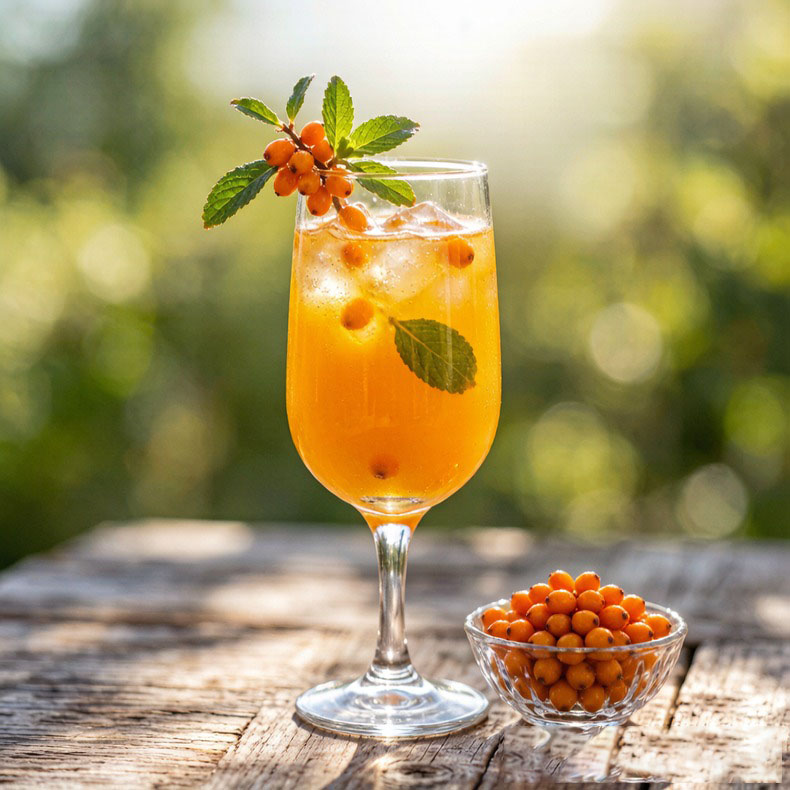
Sea buckthorn extract is a cornerstone ingredient in dietary supplements targeting skin health, cardiovascular wellness, immune support, and metabolic balance. Supplement forms include capsules, softgels (oil), tablets, powder blends, and functional gummies. The extract’s comprehensive nutrient profile makes it an all-in-one superfruit ingredient that eliminates the need for synthetic multivitamin compounding.
Recommended dosage: 500 mg – 2,000 mg of extract powder per day; 500 mg – 3,000 mg of oil per day, depending on product positioning and regulatory compliance in the target market.
Cosmetics & Personal Care
The cosmetic industry widely uses sea buckthorn extract and oil for their regenerative, anti-inflammatory, and UV-protective properties. The omega-7 content is especially valued for its ability to support the skin’s lipid barrier, making it an ideal ingredient for anti-aging creams, serums, face oils, body lotions, lip balms, and hair care products. Sea buckthorn oil is approved for use in certified organic and natural cosmetic formulations under COSMOS and ECOCERT standards.
FAQ
Q: What is the difference between sea buckthorn seed oil, pulp oil, and berry oil?
A: Sea buckthorn seed oil is extracted from the seeds and is rich in omega-3 (α-linolenic acid, 15%–30%) and omega-6 (linoleic acid, 30%–40%). Pulp oil is extracted from the fruit pulp and contains the highest concentration of omega-7 (palmitoleic acid, 16%–40%) plus carotenoids. Berry oil (whole fruit oil) contains a balanced profile of both seed and pulp oil components. We supply all three types based on your application needs.
Q: What is the typical omega-7 content in your sea buckthorn pulp oil?
A: Our standard sea buckthorn pulp oil contains 16%–40% palmitoleic acid (omega-7) as measured by GC-FID. We can also provide custom specifications within this range. The exact percentage varies by harvest year and berry subspecies, and we provide a batch-specific COA with every shipment.
Q: Is your sea buckthorn extract organic certified?
A: Yes, we offer certified organic sea buckthorn extract and oil upon request. Our organic products comply with EU Organic (EC 834/2007), USDA NOP, and China Organic standards. Please specify your organic certification requirement when placing an inquiry so we can match you with the correct product grade.
Q: How do you test for flavonoid content?
A: We use UV-Vis spectrophotometry for routine flavonoid quantification (expressed as rutin equivalents) and HPLC for individual flavonoid profiling (isohamnetin, quercetin, kaempferol). HPLC provides higher specificity and is recommended for customers requiring detailed active compound characterization.
Q: Can I get a free sample before placing a bulk order?
A: Yes, we provide free samples (typically 50 g – 200 g) for evaluation and formulation testing. The customer is responsible for shipping costs, which can be arranged via your courier account or prepaid shipping. Contact our sales team with your delivery address and product specification requirements.
Q: What is the minimum order quantity (MOQ)?
A: Sample orders: 100 g – 1 kg (no MOQ). Bulk orders: 1 kg for most extract powders, 5 kg for oils. We are flexible and can accommodate smaller trial quantities for new customers. For large-volume contract manufacturing, please contact us for custom pricing and lead times.