Asiaticoside CAS:16830-15-2

1. Product Overview

Asiaticoside (CAS: 16830-15-2) is a pentacyclic triterpenoid saponin extracted from Centella asiatica (L.) Urban, a medicinal herb that has been used for centuries in traditional Ayurvedic and Chinese medicine for wound healing and skin repair. As the primary bioactive constituent of Gotu Kola, Asiaticoside is one of the four key triterpenes in the standardized TECA (Titrated Extract of Centella asiatica) complex alongside Madecassoside, Asiatic Acid and Madecassic Acid.

Asiaticoside exerts its remarkable biological effects primarily through the TGF-β signaling pathway, stimulating fibroblast proliferation and upregulating Type I and Type III collagen synthesis. It is clinically validated in pharmaceutical wound-care products such as Madecassol® and Blastoestimulina®, and has been extensively studied for its ability to accelerate wound closure, reduce hypertrophic scar and keloid formation, and improve overall skin quality and elasticity.

Shaanxi TAIMA Bioengineering Co., Ltd. supplies high-purity Asiaticoside (≥90%, ≥95%, ≥98% HPLC) manufactured under ISO 9001 and ISO 14001 certified facilities, with full documentation support including COA, MSDS, and TDS for every batch.

2. Physicochemical Properties

Product NameAsiaticoside (INCI: Centella Asiatica Extract)
CAS Number16830-15-2
Molecular FormulaC₄₈H₇₈O₁₉
Molecular Weight959.12 g/mol
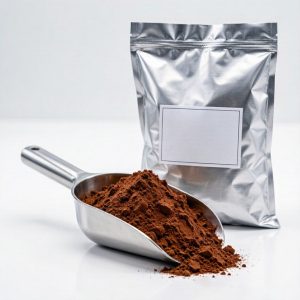
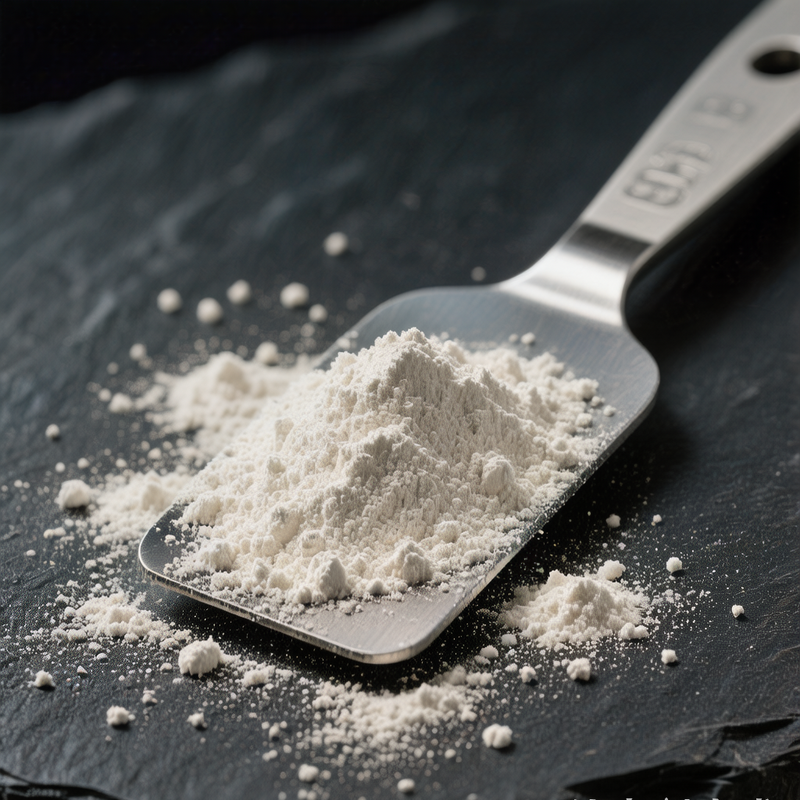
AppearanceWhite to off-white crystalline powder
OdorCharacteristic, mild
SolubilitySlightly soluble in water; soluble in ethanol, DMSO
Source PlantCentella asiatica (L.) Urban (Gotu Kola)
Specifications≥90%, ≥95%, ≥98% by HPLC
ClassificationPentacyclic triterpenoid saponin

3. Key Benefits & Mechanisms

3.1 TGF-β Signaling Activation

Asiaticoside’s primary mechanism involves activation of the TGF-β/Smad signaling cascade. By upregulating TGF-β receptor expression and downstream Smad2/3 phosphorylation, Asiaticoside stimulates dermal fibroblasts to synthesize Type I and Type III collagen, fibronectin, and other extracellular matrix (ECM) components. This is the molecular basis for its powerful wound-healing and tissue-repair properties.

Wound Healing & Tissue Repair: Accelerates wound closure by stimulating fibroblast proliferation and migration. Clinically validated in post-surgical wound management, burn wound care, and chronic wound treatment. Promotes granulation tissue formation and re-epithelialization.

Collagen Synthesis: Upregulates Type I and Type III collagen production via TGF-β signaling. Improves skin firmness, elasticity, and tensile strength. Clinically proven to increase collagen density in both dermal and epidermal layers.

Scar Reduction: Reduces hypertrophic scar and keloid formation by normalizing collagen cross-linking and remodeling. Inhibits excessive fibroblast activity and TGF-β1 overexpression that contribute to pathological scarring. Comparable efficacy to silicone gel sheets in clinical studies.

Skin Barrier Repair: Enhances ceramide synthesis and tight junction protein (claudin-1, occludin) expression. Strengthens the epidermal barrier function and reduces transepidermal water loss (TEWL). Supports recovery of compromised skin barrier after UV exposure or chemical damage.

Anti-Inflammatory Activity: Inhibits NF-κB nuclear translocation and COX-2 expression. Reduces pro-inflammatory cytokines (IL-1β, IL-6, TNF-α). Clinically effective in reducing skin erythema, edema, and inflammatory infiltrates.

Anti-Aging & Photoprotection: Reduces UV-induced matrix metalloproteinase (MMP-1, MMP-3) activity, preserving collagen and elastin integrity. Upregulates endogenous antioxidant enzymes (SOD, catalase). Improves skin texture, reduces fine lines, and slows photoaging progression.

Antioxidant Defense: Directly scavenges reactive oxygen species (ROS) including superoxide anion and hydroxyl radicals. Enhances cellular antioxidant capacity by upregulating GSH, SOD, and catalase. Protects skin cells from oxidative stress-induced senescence.

Neuroprotection & Cognitive Support: Crosses the blood-brain barrier. Demonstrates neuroprotective effects in Alzheimer’s disease models by reducing amyloid-β toxicity and oxidative stress. Studied for anxiety reduction and cognitive enhancement in clinical settings.

4. Applications

4.1 Cosmetic & Skincare

Application CategoryProduct TypesRecommended Dosage
Wound CareWound-healing creams, post-procedure balms0.5% – 2.0%
Scar TreatmentScar gels, silicone sheets, keloid creams0.5% – 2.0%
Anti-AgingAnti-aging serums, firming creams, ampoules0.1% – 1.0%
Barrier RepairBarrier creams, Cica balms, moisturizers0.5% – 1.5%
Soothing & CalmingSoothing masks, redness-reducing serums0.1% – 1.0%
Sun CareAfter-sun lotions, UV recovery gels0.1% – 0.5%
Eye CareEye serums, lifting eye creams0.1% – 0.5%

4.2 Pharmaceutical

  • Clinically approved wound-care formulations (e.g., Madecassol®, Blastoestimulina®)
  • Burn wound management — promotes epithelialization and reduces infection risk
  • Post-surgical scar management — improves scar appearance and reduces pruritus
  • Chronic wound care — diabetic ulcers, pressure sores, venous leg ulcers
  • Dermatological preparations — psoriasis, atopic dermatitis, scleroderma support
  • Oral supplements — cognitive support (30–60 mg/day), venous insufficiency treatment

5. TAIMA Competitive Advantages

High Purity: ≥90%, ≥95%, ≥98% HPLC-grade available. Batch-to-batch purity variation < 0.5%.

Natural Source: Extracted from sustainably harvested Centella asiatica. Non-GMO, no animal-derived materials.

Complete Documentation: COA, MSDS, TDS, and stability data provided with every shipment.

Certified Manufacturing: ISO 9001:2015, ISO 14001:2015, KOSHER, HALAL certified facilities.

Global Supply: Serving 50+ countries worldwide. Flexible packaging from 100 g samples to 25 kg drums.

Technical Support: Formulation guidance, solubility data, compatibility testing, and stability studies.

6. Packaging & Storage

Standard Packaging25 kg/fiber drum, double food-grade PE liner bags inside
Sample Packaging100 g, 500 g, 1 kg aluminum foil sealed bags
Storage TemperatureBelow 25°C (room temperature), avoid extreme temperatures
Storage ConditionsSealed, cool and dry place, away from light and moisture
Shelf Life24 months (unopened, stored under recommended conditions)