Alpha-Arbutin (CAS 84380-01-8) — 99% Pure Natural Skin Brightening Agent
High-purity alpha-arbutin-cas-84380-01-8 powder with HPLC ≥99%. 10× more effective than β-Arbutin for skin whitening and hyperpigmentation treatment. Excellent water solubility, superior stability, non-irritating. Ideal for brightening serums, spot creams, sun-repair products, and premium anti-aging skincare formulations.
Unlike traditional depigmenting agents such as hydroquinone, α-Arbutin achieves its whitening effect by competitively inhibiting tyrosinase activity at the enzymatic level — blocking melanin synthesis at its source — without suppressing cell viability or altering gene expression. This non-cytotoxic mechanism ensures excellent safety when used within recommended concentrations, positioning α-Arbutin as the ideal modern alternative to hydroquinone and other harsh bleaching agents.
1. Product Overview
Alpha-Arbutin-CAS-84380-01-8 (α-Arbutin) is a high-purity natural skin brightening ingredient with CAS 84380-01-8, offering up to 10× stronger tyrosinase inhibition than β-Arbutin. Our alpha-arbutin-cas-84380-01-8 is manufactured to ≥99% purity (HPLC), making it the ideal choice for premium skincare formulations including whitening serums, spot-correction creams, and anti-aging products.
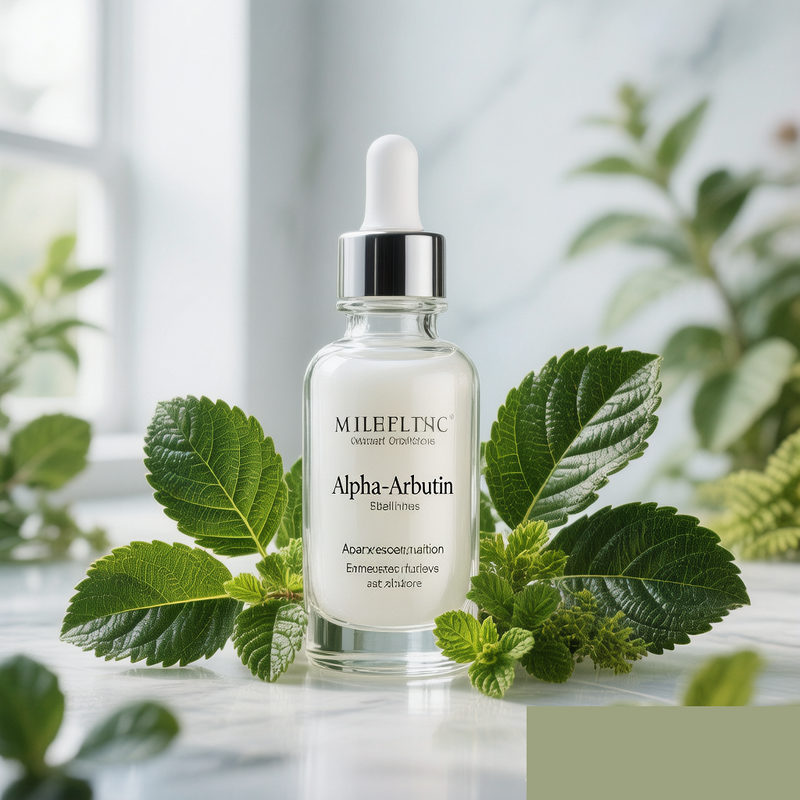
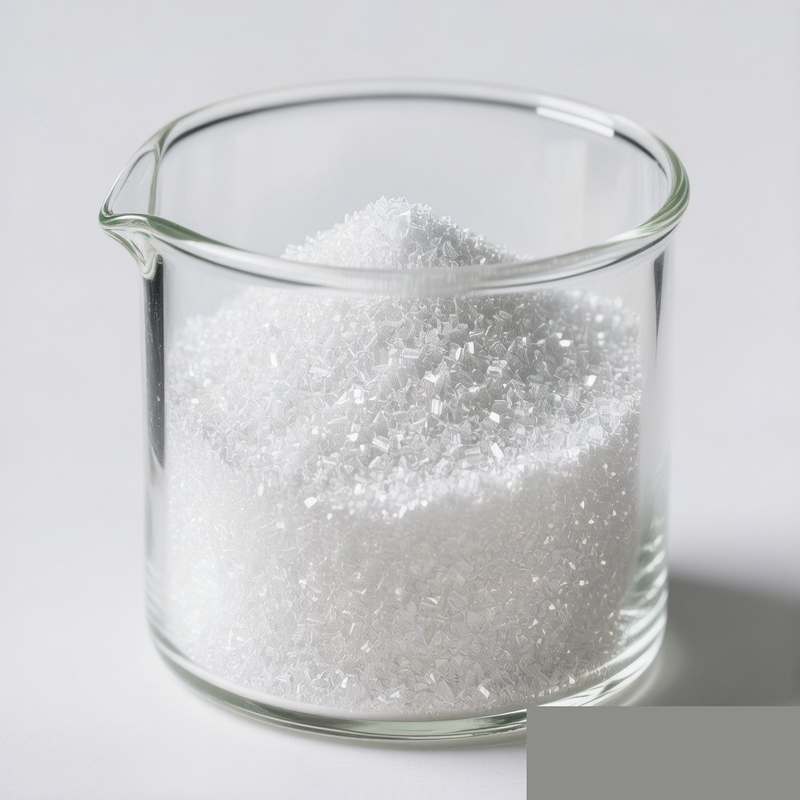
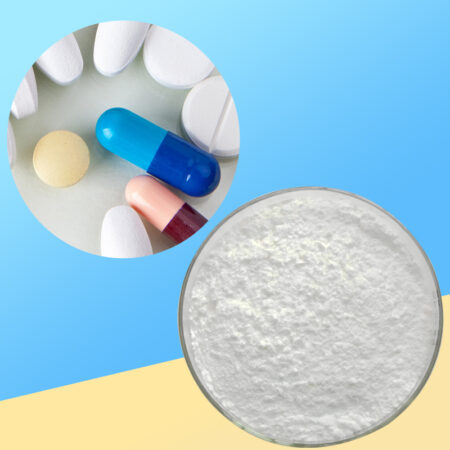
2. Product Image
3. Basic Identification
Parameter
Value
Common Name
α-Arbutin / alpha-Arbutin
Chemical Name
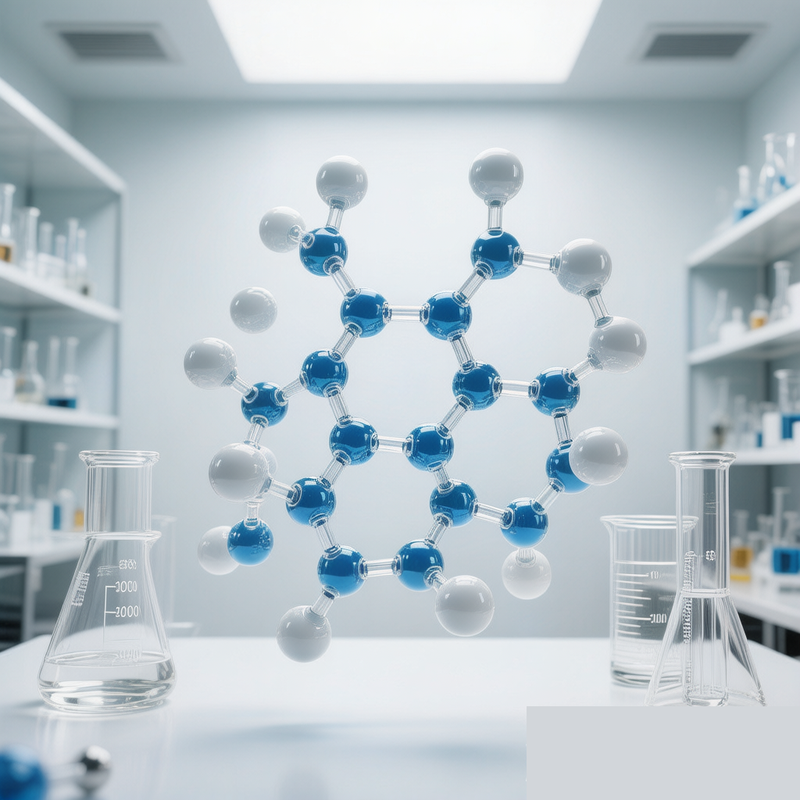
4-Hydroxyphenyl-α-D-glucopyranoside
CAS Number
84380-01-8
EINECS Number
611-520-5
Molecular Formula
C₁₂H₁₆O₇
Molecular Weight
272.25 g/mol
MDL Number
MFCD09838262
HS Code
2938.90.0000
Product Category
Biochemical / Plant Extract / Cosmetic Ingredient
4. Physicochemical Properties
Property
Specification
Appearance
White to off-white crystalline powder, white needle-like crystals
Melting Point
195 – 196 °C
Boiling Point
561.6 ± 50.0 °C (Predicted)
Density
1.556 ± 0.06 g/cm³ (Predicted)
pKa
10.10 ± 0.15 (Predicted)
Solubility
Freely soluble in water; soluble in methanol, ethanol, DMSO
Storage Condition
2–8 °C, sealed container, protected from light and moisture
Shelf Life
24 months (stored in cool, dry place at room temperature)
Storage Class
11 — Combustible Solids
5. Technical Specifications
Parameter
Specification
Purity (HPLC)
≥ 99.0%
Loss on Drying
≤ 1.0%
Residue on Ignition
≤ 0.1%
Identification Method
HPLC (purity); NMR (structural confirmation)
Quality Standard
In-House Standard
Packaging
1 kg / aluminum foil bag; 25 kg / fiber drum (custom packaging available)
6. Efficacy & Applications
6.1 Key Benefits
Superior Skin Brightening: Inhibits tyrosinase up to 10× more effectively than β-Arbutin; significantly reduces melanin production and deposition, fades dark spots, freckles, and melasma.
Extremely potent (effective at low concentrations)
Moderate
Stability
High stability; resistant to degradation & discoloration
Lower stability; prone to oxidation & color change
Water Solubility
Excellent (freely soluble in water)
Moderate
Skin Penetration
Superior
Moderate
Safety Profile
Well-established at recommended concentrations; non-irritating
Generally safe but may release trace hydroquinone
Market Positioning
Preferred for high-end skincare formulations
Budget-sensitive / mass-market products
Relative Cost
Higher (approx. 3–5× β-Arbutin)
Lower
8. Product Advantages & Selling Point
10× Whitening Power: Tyrosinase inhibition 10× stronger than β-Arbutin — among the most effective natural brightening ingredients on the market.
Superior Stability: The α-glycosidic bond confers exceptional chemical stability; minimal oxidation and discoloration, ensuring longer formulation shelf life.
Safe & Non-irritating: Non-cytotoxic mechanism of action. No skin irritation or sensitization at recommended levels — the ideal alternative to hydroquinone.
Excellent Formulation Compatibility: Synergizes with Vitamin C, Niacinamide, Kojic Acid, and other mainstream brightening actives for enhanced overall performance.
Outstanding Water Solubility: Easily incorporated into water-based formulations (serums, toners, mask solutions); reduces formulation complexity and cost.
High Purity: HPLC ≥ 99%; NMR-verified structural identity; strictly controlled hydroquinone and related impurity levels.
Strong Market Demand: Global α-Arbutin market valued at ~US$ 56.1 million in 2024, projected to reach ~US$ 95.8 million by 2031 (CAGR 8.1%).
9. Market Outlook
Indicator
Value
Global α-Arbutin Market Size (2024)
~ US$ 56.1 million
Projected Market Size (2031)
~ US$ 95.8 million
CAGR (2024–2031)
8.1%
Key Growth Drivers
Rising global demand for skin-whitening products; Clean Beauty & natural ingredient trends; expanding Asia-Pacific markets
Core Markets
Asia-Pacific (China, Japan, Korea); North America; Europe
Industry Trends
Consumer preference for natural/organic ingredients; rise of efficacy-driven skincare; ingredient-conscious consumer demographics